
REVIEW · SAPA
Sapa3D2N TrekkingAdventures,Valleys,Bambooforest,Waterfall
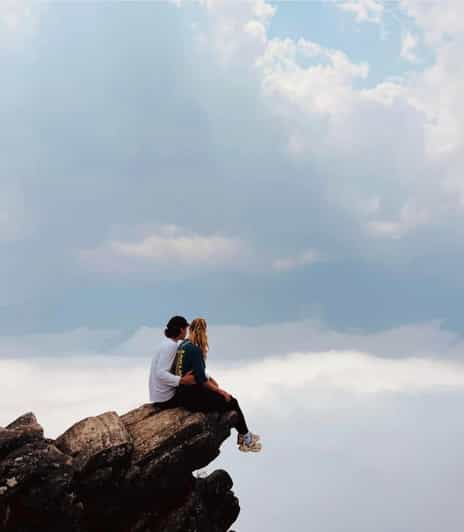
The best part of this Sapa trek is the way it links big mountain views with village life. You climb Dragon Mountain at about 1,900 meters, look across Muong Hoa Valley toward Fansipan, then walk through rice terraces, bamboo forest, small villages, and waterfall country. Your guide is Dinh, a local Hmong woman, and she may be joined by her sister or cousin.
I like the personal shape of this trip. You stay with Dinh’s family for two nights, eat home-cooked Vietnamese food, and have time for music, dancing, and the famously strong happy water. I also like the mix of cultures, from Black Hmong villages to Red Dao communities and Tày stilt houses in Ban Ho. The main drawback is the walking: up to 15 kilometers on the first day, with steep and sometimes rough trails. Good shoes and reasonable fitness matter.
Quick points to know
- Dragon Mountain at 1,900 meters: Start with broad views of Sapa, Fansipan, Muong Hoa Valley, and the surrounding rice terraces.
- Three days of village trekking: Walk roughly 10 to 15 kilometers on day one, 9 to 11 kilometers on day two, and 9 to 13 kilometers on day three.
- Two nights with a Hmong family: Dinh’s homestay gives the trip a social, family-run feel rather than a hotel-based one.
- Several ethnic communities: Meet Black Hmong and Red Dao communities, with a chance to see traditional Tày stilt houses in Ban Ho.
- Meals included: The price covers three lunches, two dinners, two breakfasts, village entry fees, daily drinking water, and transport back to Sapa.
- A strong value at $80: You get a local English-speaking guide, two nights of lodging, food, and transport for less than many guided mountain trips.
Why this Sapa trek feels personal
Sapa has plenty of tours built around viewpoints and quick photographs. This one gives you more time on foot and more time with one family. Dinh describes herself as a local Hmong guide, and the arrangement is simple: she or one of her sisters meets you in Sapa, then guides you toward the family homestay.
That family connection shapes the trip. You are not simply dropped at a rural lodge for the night. Dinh and her relatives are part of the experience, and the evening can include stories, singing, dancing, and happy water, the local rice spirit often shared at meals. The tone may be lively, so tell your hosts politely if you do not want to drink.
The group size is not stated, so ask before booking if you want a private walk or need to know who else will join. The guide language is English or Vietnamese. Dinh’s cousin guided one recent group, while Dinh handled the homestay and helped keep the evenings sociable. Your exact guide may vary between Dinh, her sister, or another family member.
A few more waterfall trips around Vietnam worth a look
- Da Lat Countryside Minivan Shared Tour (Three Waterfalls)
★ 5.0 · 1,894 reviews - Da Lat: 3 Waterfalls Tour (Datanla – Elephant – Pongour)
★ 5.0 · 1,840 reviews - Dalat: Three Waterfalls Small Group Tour – Alpine Coaster
★ 4.9 · 1,256 reviews
Day one: Dragon Mountain to Hau Thao
Your first morning begins at 9 am, with pickup at your Sapa hotel or outside Sapa’s main church. You start with about a kilometer uphill on a small trail toward Dragon Mountain. The climb is short compared with the rest of the day, but it gets your legs working right away.
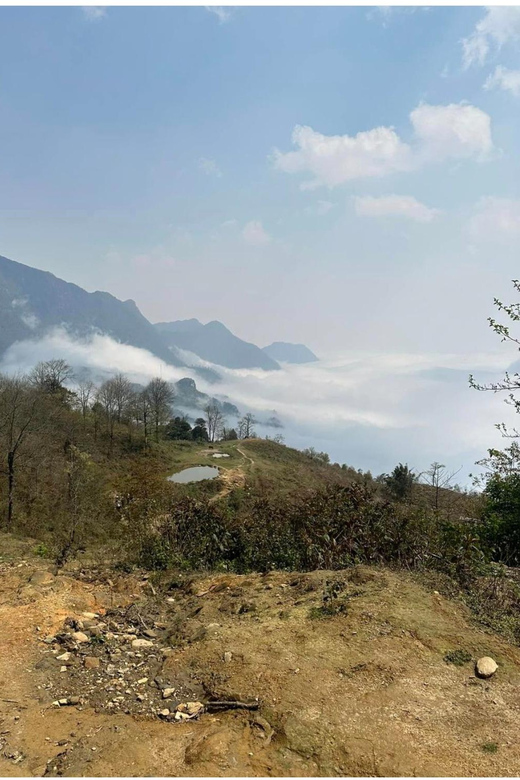
At the viewpoint, you can see Sapa town, Fansipan, and the broad Muong Hoa Valley. Fansipan rises to 3,143 meters and is the highest mountain in Indochina. The views also reach the area’s famous rice terraces, which change color with the growing season and harvest.
This opening section is a strong reason to choose the tour. You get your bearings from above before walking into the villages below. Bring a hat and sunscreen, since the first stretch is exposed, and keep your phone or camera ready. Weather in the mountains can change the view quickly.
From Dragon Mountain, the route drops along the mountainside toward Hang Da, a Black Hmong village. This is where the pace becomes more rural. You may see buffalo, cows, and pigs near the paths and homes. The village is not presented as a museum display. It is a working community, and the chance to see planting or harvesting depends on the season.
Lunch comes at a small family-run restaurant. The tour includes three lunches, but extra drinks are not covered, so carry money for bottled water, beer, or soft drinks. One water bottle per person per day is included, though you may want more on a warm trekking day.
After lunch, you continue along a smaller road toward Hau Thao, another Black Hmong village. The route gives you a closer look at daily work in the fields and the houses scattered along the hillsides. The day covers approximately 10 to 15 kilometers and lasts around six hours. That range is wide, so the actual distance may depend on the group and trail conditions.
At the family homestay, you can shower, rest, and settle in before dinner. The lodging is part of the value here, but you should choose it for the family setting, not for hotel-style privacy. You are staying in a home connected to the guide, and the social side of the evening is a central part of the experience.
Day two: Su Pan, Red Dao country, and Giang Ta Chai Waterfall
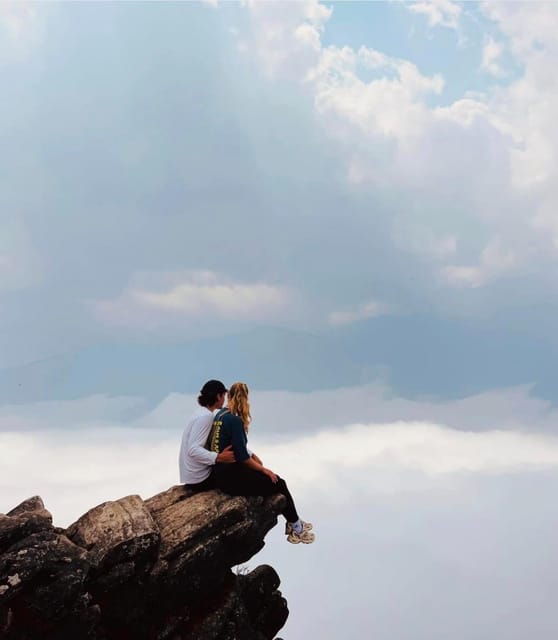
After breakfast, you walk from the homestay through Hau Thao toward Su Pan. This is a shorter day, about 9 to 11 kilometers and roughly five and a half hours, but it still includes uphill sections.
Su Pan offers more views across rice fields and small traditional houses. The route is useful for seeing how villages sit within the mountain terrain rather than as isolated stops on a bus itinerary. Take your time with photographs, but remember that people live and work along these trails. Ask before photographing people closely.
The path then climbs toward Giang Ta Chai Waterfall. The waterfall and nearby bamboo forest are among the more scenic sections of the trip. You may also cross a hanging bridge, then use an alternative trail that takes you across a second bridge. These crossings add variety, though anyone uneasy with heights should mention it to the guide before setting out.
Giang Ta Chai is also a Red Dao area. With your guide, you learn about Red Dao culture and daily life, followed by a short visit with a Red Dao family. This cultural contrast is one of the tour’s strongest features. You are not seeing only one community around Sapa, and Dinh can help explain what you are looking at in a useful local context.
Lunch is served at a small restaurant run by a Hmong family in Giang Ta Chai village. After the meal, you return to Ta Van and stay again with Dinh’s family. The description of this day includes Ta Van, while the first night is connected with Hau Thao, so ask your guide to confirm the precise sleeping arrangement when you book.
The second night is another chance to enjoy the homestay rather than rush through dinner and bed. Home cooking is included, and the food received particular praise for being generous and enjoyable. Still, menus are not specified, so tell the family ahead of time about allergies or dietary limits.
Day three: Lao Chai, Y Linh Ho, and the return to Sapa
The final morning begins after breakfast with a walk toward Lao Chai and Y Linh Ho. The route covers about 9 to 13 kilometers and takes around five and a half hours.
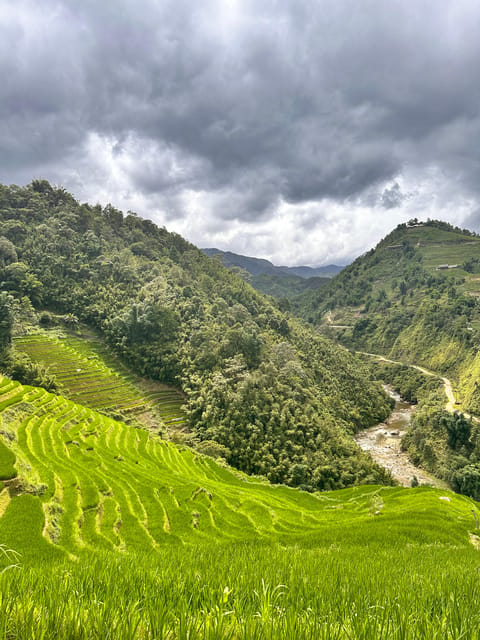
You reach the hanging bridge over the Muong Hoa River, then continue uphill. The day brings more rice terraces and views toward the Hoang Lien Son mountains. In good weather, this is another excellent photo section, but the hills are not merely a backdrop. You are walking through the farming area that supports the villages below.
The trip then heads back to Sapa. Transportation back to town is included after the village portion ends, which saves you from arranging a separate ride. Big bags can be transported to Dinh’s house while you trek, according to the tour details. Confirm where you should leave your luggage and what you should carry for the two walking days.
The final day is not a gentle sightseeing stroll. A route of up to 13 kilometers, including uphill walking, can feel tiring after two nights on rural trails. Pack light for the trek, keep your larger bag separate, and wear shoes with a dependable grip.
Same stretch of river, a different day out:
- Dalat: 3 Waterfalls Day Tour — Datanla, Pongour & Elephant
★ 4.9 · 931 reviews - Ban Gioc Waterfall 2 Days 1 Night From Hanoi
★ 5.0 · 575 reviews - Da Lat’s Countryside & Waterfalls Day Tour by Motorbike
★ 5.0 · 462 reviews - Dalat Top Tourists Sights – Waterfall & Go kart-Mario Kart
★ 5.0 · 380 reviews
What the $80 price really covers
At $80 per person, this is a strong package if you want several days of walking rather than a single viewpoint outing. You receive a local English-speaking guide for three days, entry fees for eight villages, two nights of homestay lodging, three lunches, two dinners, two breakfasts, one bottle of water per person per day, and transport back to Sapa.
The price also pays for access to a family connection. That matters in Sapa, where a cheap tour can still feel rushed or disconnected from village life. Here, Dinh’s family is involved in guiding, hosting, cooking, and sharing time with you.
The limits are clear. Personal travel insurance is not included, and extra drinks are your responsibility. The listing does not state the group size, room setup, bedding style, or bathroom details. Those are fair questions to ask before paying, especially if you need privacy or have particular comfort needs.
The food is another good part of the value. Two breakfasts, two dinners, and three lunches reduce daily costs, and the meals are prepared through local family restaurants and the homestay. Bring some extra cash for drinks and personal purchases.
Walking conditions and what to pack
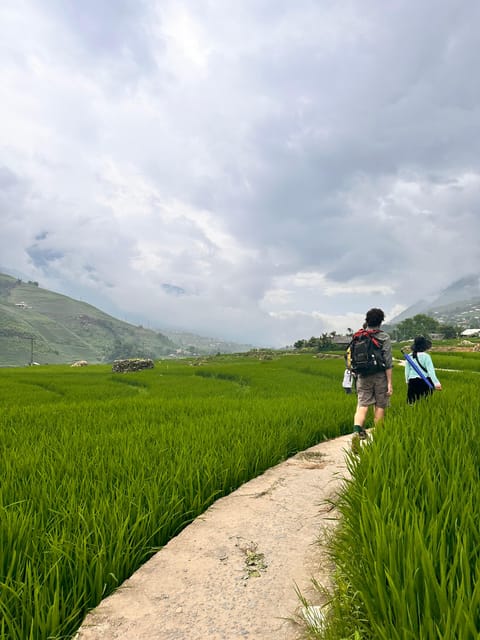
The route includes steep climbs, descents, village roads, mountain paths, bamboo forest, bridges, and waterfall areas. The daily distances are moderate for an active walker, but the terrain can make them feel longer. You should be comfortable walking for about five to six hours a day.
The recommended items are practical:
- Comfortable clothing for warm and active walking
- A change of clothes
- Sunglasses, a sun hat, and sunscreen
- Swimwear, useful if you want it for the waterfall setting
- A small bag for the trail
- Extra money for drinks
The tour provides one water bottle per person each day. I would still ask how much additional water you should carry for the planned route and season. Pack your larger luggage separately, since the family helps move big bags to the homestay.
This is not described as suitable for people over 95, but age alone is not the main test. Your ability to handle uneven paths, hills, and several hours of walking matters more. If you have knee, balance, or mobility concerns, ask for a detailed route description before booking.
The homestay and evening atmosphere
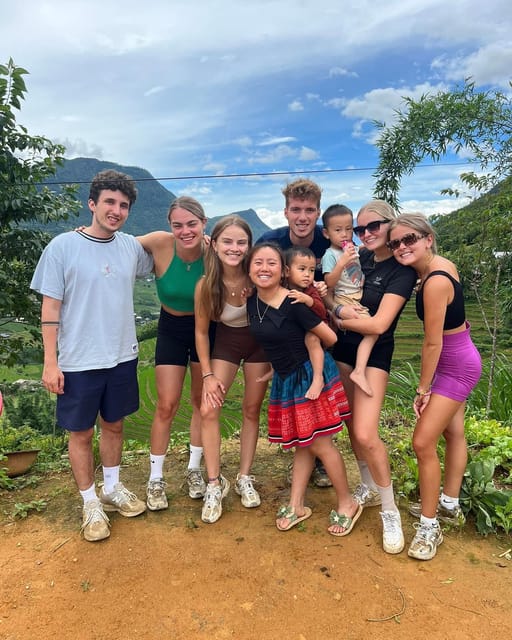
The homestay is the emotional center of the trip. You can rest after the walk, take a hot shower, eat with the family, and meet other people staying there. The evening may include singing, dancing, and happy water, which can turn dinner into a cheerful group gathering.
Dinh is described as enthusiastic and good company, with a contagious laugh. Her family also includes young students who live in a nearby house, adding to the sense that you are spending time in a real family setting rather than entering a staged performance.
That said, a lively homestay is not for everyone. If you want quiet evenings, a private room, or a fixed schedule, this may feel informal. The tour works best when you are open to conversation and do not mind that the family atmosphere is part of the package.
Who should book this experience?
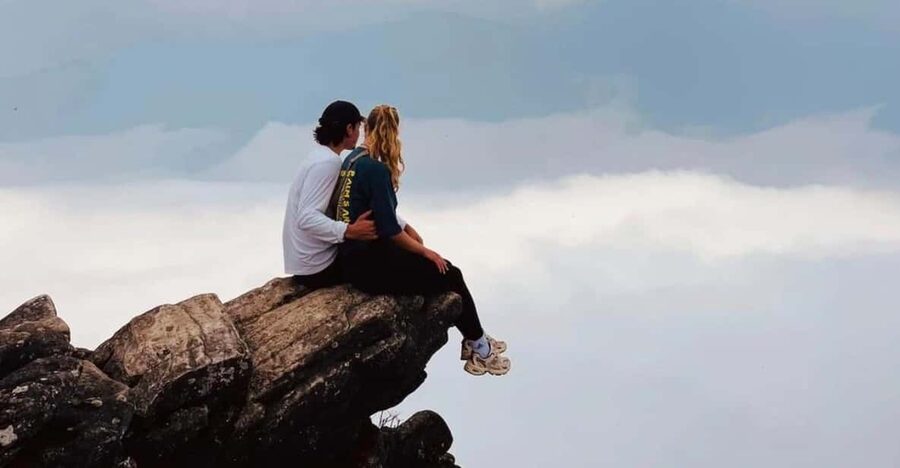
I would choose this trek if you want to see Sapa on foot, sleep in a family homestay, and learn about more than one ethnic community. It suits active couples, friends, solo visitors who enjoy social evenings, and anyone who values a local guide over a polished resort-style operation.
It is less suitable if your main goal is a quick photo stop, an easy walk, or high-end accommodation. The distances vary, the trails include hills, and the exact guide and homestay details should be confirmed in advance.
Free cancellation is available up to 24 hours before the activity for a full refund, and you can reserve now and pay later. Those terms help if your Sapa plans are still moving, but they do not replace checking the route, group size, and sleeping arrangements before you commit.
Should you book the Sapa 3-day trek?
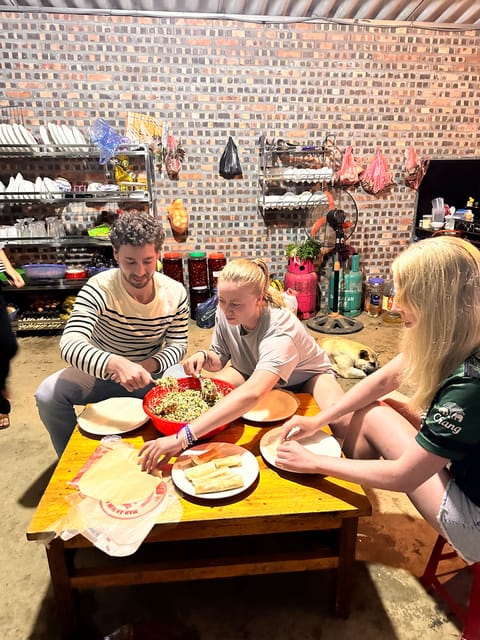
Book it if you want rice terraces, mountain views, waterfalls, and family contact in one trip. The standout value is not just the number of meals or village fees included. It is the chance to spend two nights connected to Dinh’s Hmong family while walking through Black Hmong, Red Dao, and Tày cultural areas.
Before booking, make three checks: confirm who will guide your group, ask about the exact homestay setup, and decide if you are ready for up to 15 kilometers on day one. If those points suit you, the $80 price gives you a full and personal introduction to the Sapa highlands.
FAQ
How long is the Sapa trekking experience?
The activity lasts three days and includes two nights at a homestay.
Where does the tour begin?
Pickup is at your hotel in Sapa or in front of Sapa’s main church at about 9 am on the first day.
Who guides the trek?
Dinh is a local Hmong guide, and she may guide you with her sister. A cousin may also guide some groups. The available guide languages are English and Vietnamese.
How far do you walk each day?
Day one is approximately 10 to 15 kilometers, day two is 9 to 11 kilometers, and day three is 9 to 13 kilometers.
Where do you stay?
You stay for two nights with Dinh’s family at a local homestay. The itinerary connects the homestay with Hau Thao and Ta Van, so confirm the exact arrangement before departure.
What meals are included?
The price includes three lunches, two dinners, and two breakfasts.
Is drinking water included?
One bottle of water per person per day is included. Extra drinks, including bottled water and beer, cost extra.
Can you cancel the booking?
You can cancel up to 24 hours in advance for a full refund. You can also reserve now and pay later.
Just added around Vietnam
- Da Lat Full-day Tour with Langbiang Mountain, Datanla Waterfall, Crazy House★ 3.5 · 11 reviews
- Vietnamese Culture: Phin-Making Tour Beyond Elephant Falls, Dalat★ 5.0 · 19 reviews
- Da Lat: Half-Day Morning – Clay Tunnel, Crazy House, Datanla Fall★ 5.0 · 43 reviews
- Dalat Waterfall Tour★ 5.0 · 9 reviews
- VIP Dalat 3 waterfalls – Datanla, Elephant Pongour & Coffee Tour★ 5.0 · 8 reviews
- Da Lat Easy Rider Group Waterfall Motorcycle Adventure★ 5.0 · 38 reviews
- Da Lat Discover Waterfalls and Cultures Tour★ 5.0 · 114 reviews
- Full Day Private Silk Village And Elephant Waterfall Tour★ 5.0 · 14 reviews
Sapa Waterfall Tours, compared.
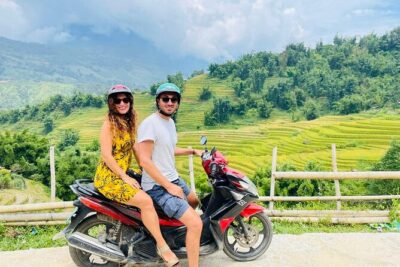
Sapa Motorbike Tour With Local Guide 1 Day – Waterfalls, Villages
Read our review →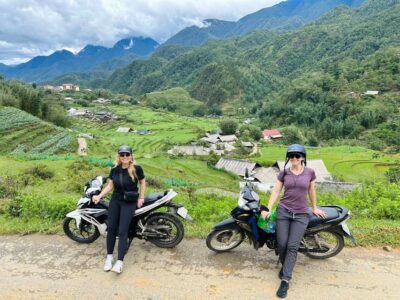
Sapa: Motorbike Tour 1 Day Visit Waterfalls & Local Villages
Read our review →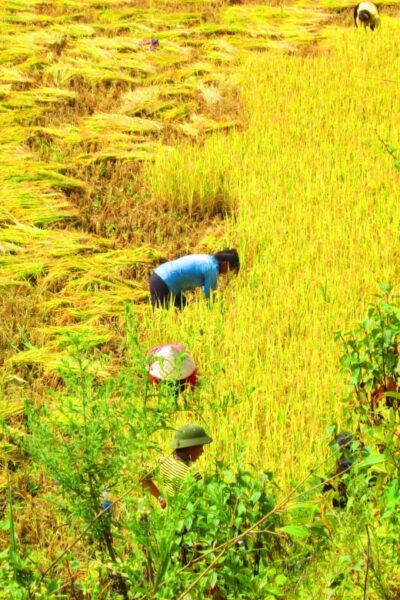
From Sapa: Waterfalls, Trekking and Tribal Villages Tour
Read our review →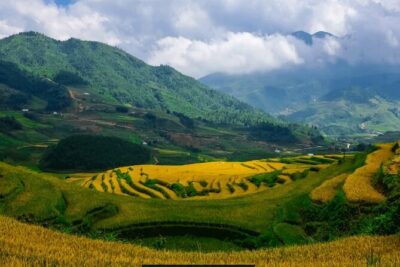
Sapa Love Silver Waterfall, Lonely Tree in Heaven Gate,San Sa Ho
Read our review →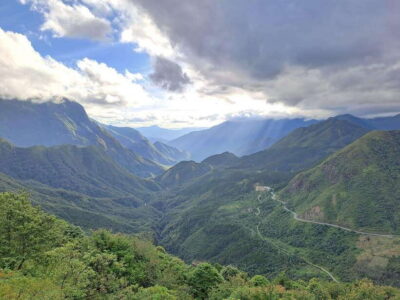
Sapa: Love Silver Waterfall, LonelyTree in Heaven-Rice Field
Read our review →
Sapa Silver Waterfall And O Quy Ho Pass Tour By Motorbike
Read our review →
SaPa: 2-Day Villages,Rice Fields, Love Waterfall Hiking Tour
Read our review →Browse the lists this tour appears in