
REVIEW · SAPA
Sapa Silver Waterfall And O Quy Ho Pass Tour By Motorbike
The best part of this Sapa motorbike tour is the change of scenery beyond town. You move from flower fields and tea plantations to a high mountain pass, then down toward Red Dao and Hmong farming communities. I like the mix of famous views and ordinary local life, especially the buffalo, cardamom farms, and quiet streams.
I also like that guides such as Julie, Mai, Lan, Pang, Zizi, and Dzi are described as careful drivers who explain the area as you go. The main consideration is the mountain road itself: fog, rain, cold, and steep bends can affect the day, and the route may change for safety.
Key points to know
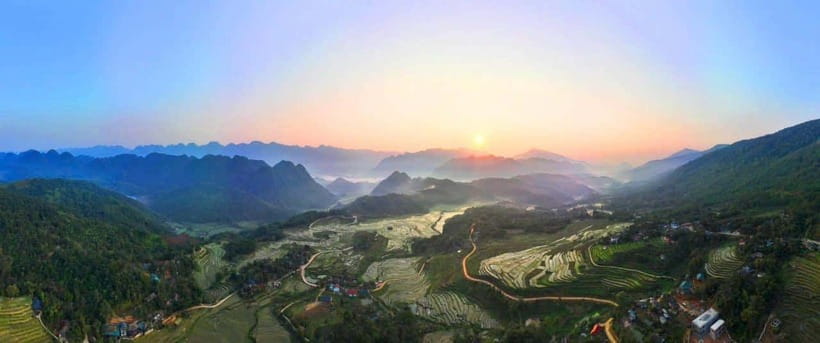
- Silver Waterfall gives the tour its first natural highlight, with forest, birds, rushing water, and a paid entrance ticket included.
- O Quy Ho Pass reaches about 2,000 meters, offering wide views that can change quickly when clouds roll in.
- O Long tea plantations add a peaceful rural stop, with buffalo and hillside farmers along the road.
- Ban Khoang introduces Red Dao farming life, including rice terraces and cardamom fields.
- Ta Giang Phin Valley is quieter and more local, with Hmong communities, farms, and streams.
- Safe riding is a major strength, but comfortable shoes, warm clothing, water, and sunscreen matter.
Leaving Sapa for tea fields and mountain air
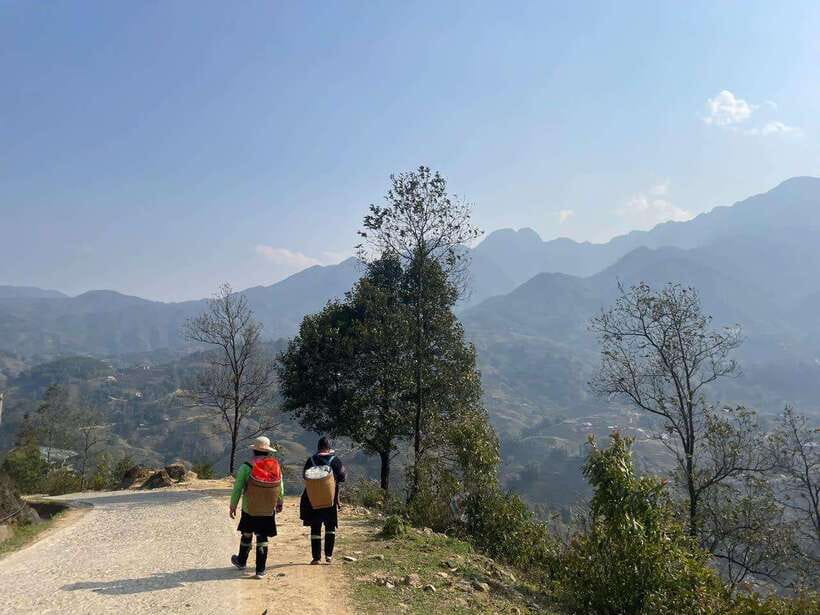
This is not simply a ride to one waterfall. The route gives you a broad look at the countryside around Sapa, where roads climb through cultivated hills and mountain weather can shift within minutes.
Your pickup begins at your Sapa accommodation. From there, you head north toward open countryside. The early part of the ride passes flower and vegetable fields, useful reminders that this area is not only a scenic viewpoint for visitors. It is working farm country.
On a clear day, you may see Fansipan, the highest mountain in Indochina. The view is not guaranteed, so do not treat a cloud-covered morning as a failure. Sapa is high and often misty. One outing had thick fog, yet the guide still made the trip pleasant and helpful. That is a fair picture of mountain touring here: some days bring sharp peaks and blue sky, while others offer a softer, more mysterious view.
The motorbike makes sense for this route because it keeps you close to the countryside. You can notice buffalo in the fields, farmers working on hillsides, and small changes in the plants as the road rises. A car would offer more shelter, but the bike gives you a stronger sense of the air, the bends, and the scale of the mountains.
A few more waterfall trips around Vietnam worth a look
- Da Lat Countryside Minivan Shared Tour (Three Waterfalls)
★ 5.0 · 1,894 reviews - Da Lat: 3 Waterfalls Tour (Datanla – Elephant – Pongour)
★ 5.0 · 1,840 reviews - Dalat: Three Waterfalls Small Group Tour – Alpine Coaster
★ 4.9 · 1,256 reviews
O Long tea plantations and the working countryside
The ride past O Long tea plantations is one of the tour’s most appealing sections. Tea fields bring a different texture to the hills, with carefully tended rows set against broader mountain slopes.
You will also pass grazing buffalo and hillside farmers. These details matter because they turn the trip into more than a sequence of scenic stops. You are seeing how people use the steep land, not just photographing it.
I would keep your camera ready here, but do not expect a formal plantation visit unless your guide adds one on the day. The information describes a ride past the plantations rather than a tea tasting or farm workshop.
The route also gives your guide a chance to explain Sapa and the surrounding communities. Guides named Pang, Julie, Mai, Lan, Sang, Zizi, and Dzi have all been associated with this experience. The strongest praise centers on safe driving, local explanations, helpful photo stops, and the ability to answer questions. That makes the guide especially important. On a motorbike, a calm and skilled driver matters as much as the view.
Silver Waterfall, where the road meets the forest
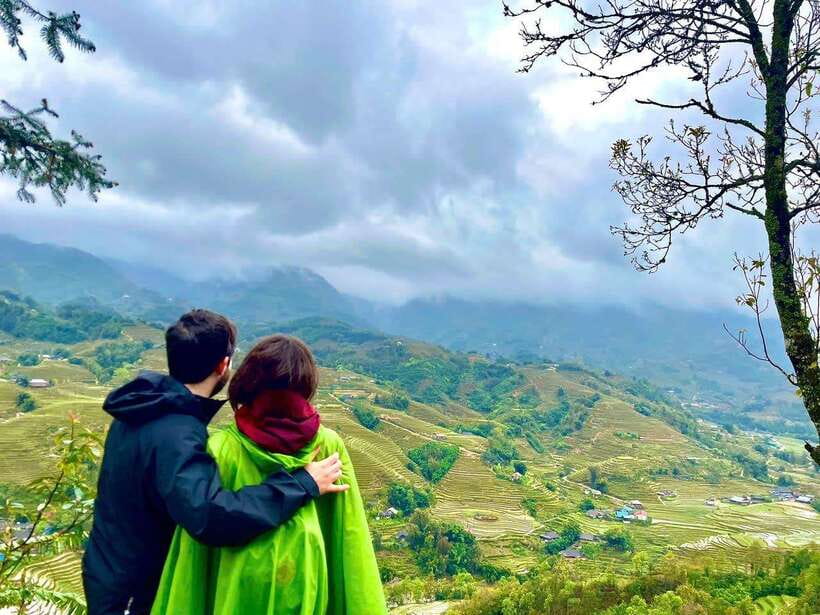
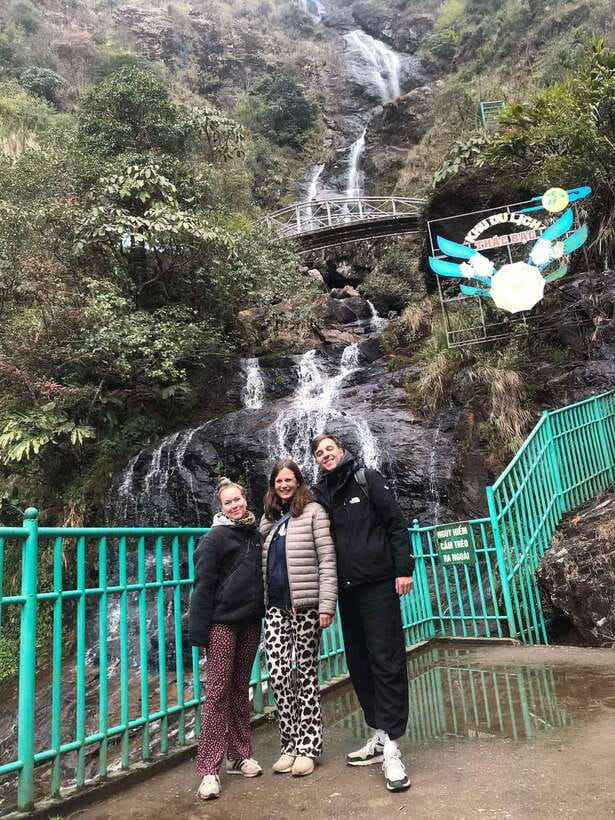
Silver Waterfall is the first major stop. It sits in a lush natural setting, with the sound of water and birds replacing the road noise.
The attraction is simple and effective. You get a chance to leave the bike, stretch your legs, and enjoy one of the area’s best-known waterfalls. The entrance ticket is included, so there is no separate admission cost to plan for.
Bring shoes with a firm grip. The advice to wear comfortable footwear is not just standard packing language. A waterfall stop can involve wet ground and uneven surfaces, and you will enjoy it more if you are not worrying about slippery sandals.
The stop is also a good reset before the higher pass. Take time to listen to the stream and look beyond the falling water. The forest setting is part of the appeal, and the quieter sounds make this a welcome contrast to Sapa’s busy center.
Do not expect a full nature walk or a long independent exploration based on the information provided. This is a stop within a wider motorbike route, so the available time will depend on the day’s conditions and the guide’s safety decisions.
O Quy Ho Pass at 2,000 meters
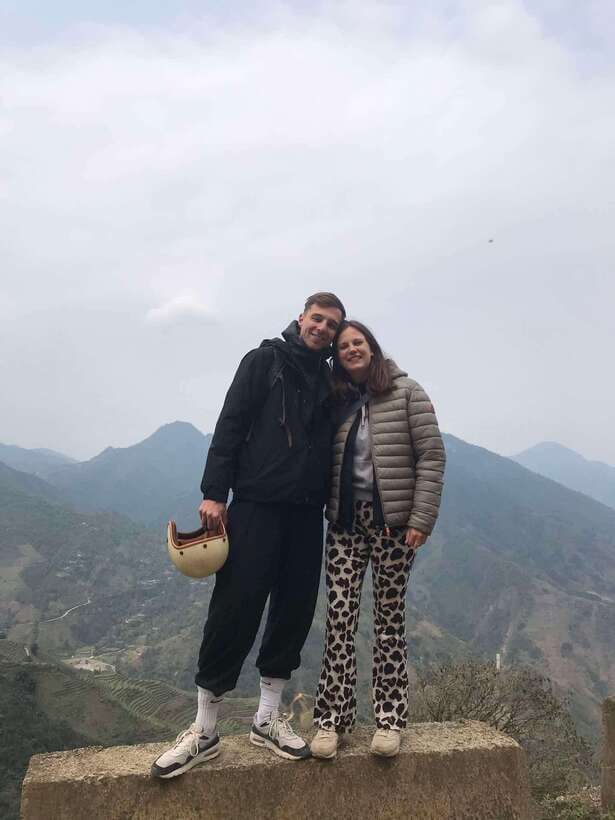
After Silver Waterfall, the ride continues toward O Quy Ho Pass. At about 2,000 meters above sea level, it is described as Indochina’s highest mountain pass.
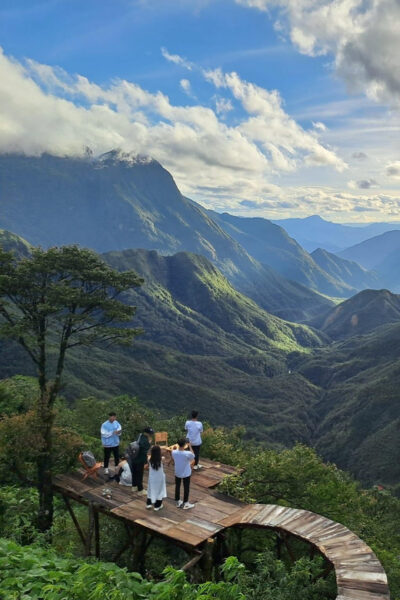
This is the tour’s big viewpoint moment. From the pass, you can look across broad mountain scenery, with clouds sometimes covering one side while sunlight reaches the other. That contrast is exactly why changing weather can be frustrating and beautiful at the same time.
On a clear day, this is where your camera earns its place. Use the photo stops, but also look away from the screen for a moment. The scale of the pass is difficult to capture in one picture, especially when the road, ridges, and clouds all layer into the view.
The drawback is predictable: fog can erase the panorama. One guide still provided a good outing in poor visibility, but you should book this for the whole mountain experience, not only for a guaranteed postcard view. If the clouds close in, the ride and village sections still give the day value.
Warm clothing is essential here. Sapa can feel cool even before the road climbs, and the pass is exposed to mountain weather. A light jacket or warmer layer will make the ride more comfortable.
Same stretch of river, a different day out:
- Dalat: 3 Waterfalls Day Tour — Datanla, Pongour & Elephant
★ 4.9 · 931 reviews - Ban Gioc Waterfall 2 Days 1 Night From Hanoi
★ 5.0 · 575 reviews - Da Lat’s Countryside & Waterfalls Day Tour by Motorbike
★ 5.0 · 462 reviews - Dalat Top Tourists Sights – Waterfall & Go kart-Mario Kart
★ 5.0 · 380 reviews
Through rainforest to Ban Khoang
From the high pass, the route continues through rainforest toward Ban Khoang. This change in scenery is part of what makes the tour worthwhile. You are not returning by the same mental route after taking a viewpoint photo. The day keeps moving through different environments and communities.
Ban Khoang is home to Red Dao people, who farm rice and cardamom in terraces. The farming detail gives the visit real substance. Rice explains the stepped fields, while cardamom points to the cooler, forested conditions that shape local agriculture.
This is a place to watch and listen rather than expect a staged attraction. You might see farms, terraces, and signs of daily work. The value comes from seeing how land is managed in a steep area where flat ground is scarce.
Your guide can help explain what you are seeing and answer questions about local life. Since the experience includes an English-speaking guide, you have a better chance of understanding the connection between the farms, the villages, and the terrain than you would from a quick roadside stop alone.
At the same time, the available details do not promise a home visit, meal, craft demonstration, or hands-on farming activity. Keep your expectations focused on scenery, community life, and farming practices.
Ta Giang Phin Valley and Hmong village life
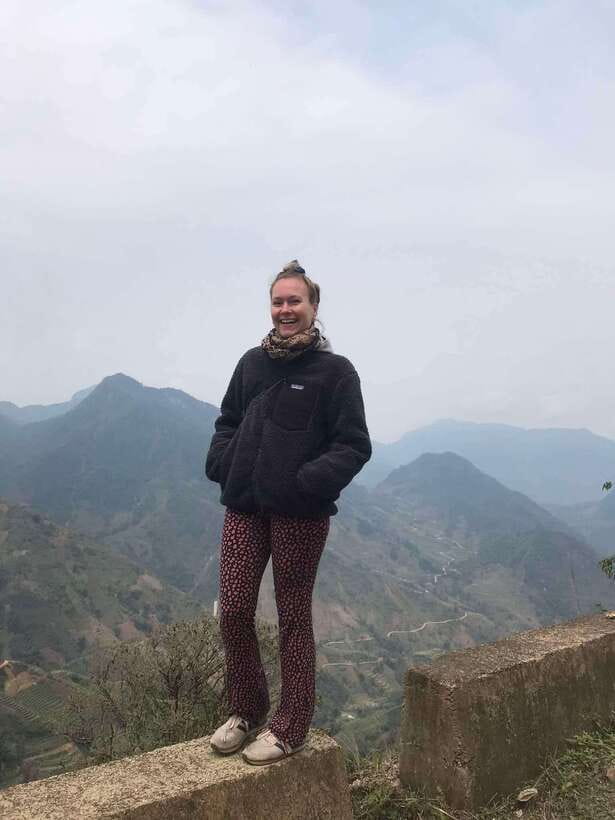
The final major area is Ta Giang Phin Valley, a quieter place where Hmong communities live along streams and work local farms.
I like this part because it slows the day down. The waterfall provides nature, and the pass provides the grand view. The valley offers a closer look at the human side of the region. You may see farms, streams, and homes set within a peaceful rural setting.
The phrase peaceful Hmong communities fits the character of this stop. It is not presented as a busy cultural show. Instead, you get a glimpse of a lived-in valley where farming and water shape the surroundings.
This also makes respectful behavior important. Keep your camera ready, but ask before photographing people or private spaces. The tour is designed to show local life, not turn it into a performance.
Ta Giang Phin is especially useful if you want more than the standard Sapa highlights. Silver Waterfall and O Quy Ho Pass are the recognizable names, but the valley and Ban Khoang help you understand why the area is more than a mountain viewpoint destination.
What the $50 price gives you
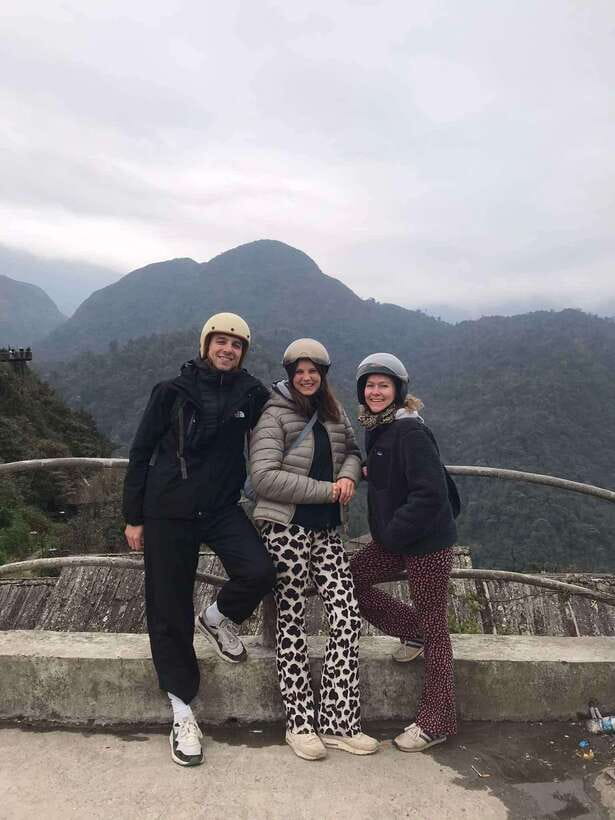
At $50 per person, the tour offers solid value if you want transportation, a guide, and several stops in one day. The price includes pickup and drop-off at your hotel, motorbike transportation, an English-speaking guide, and the Silver Waterfall entrance ticket.
That matters in Sapa because the attractions are spread across mountain roads. Arranging separate transport to the waterfall, pass, tea fields, Ban Khoang, and Ta Giang Phin Valley would take time and local road knowledge. Here, the route is organized for you.
The strongest value is the combination of driving and interpretation. You are not only paying to reach a waterfall. You are paying for someone to handle the mountain road, point out farms and villages, suggest photo stops, and adjust the plan if the weather turns unsafe.
Holiday surcharges are not included, so check the final cost if your visit falls during a major holiday period. Food is not listed as included, so plan accordingly, though the provided information does not specify meal arrangements or a fixed meal stop.
The tour has received a perfect rating from 14 reviews, with repeated praise for careful driving and personal attention. That praise is useful because safety is the key question on a motorbike outing. Guides are described as skilled, friendly, and willing to share information about Sapa and local culture.
Safety, weather, and what to pack
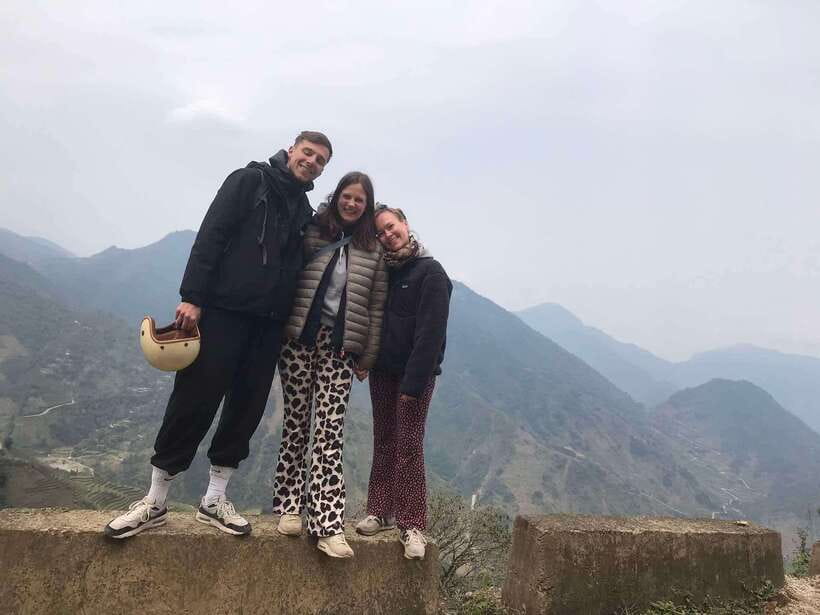
Mountain roads demand sensible preparation. This experience is not suitable for pregnant women, people with back problems, or wheelchair users. Smoking is not allowed.
You should bring:
- Comfortable shoes
- Warm clothing
- A hat
- Sunscreen
- Water
- A camera
The warm clothing advice deserves extra attention. Temperatures and visibility can change as you climb toward O Quy Ho Pass. Fog may arrive without warning, and the ride can feel cooler than a walk around Sapa.
Water and sunscreen are both useful. Cloud does not always block strong mountain sun, and you may spend much of the day outside. A camera is recommended, but keep it secure while riding and take it out at stops.
The route may change if it rains. That is a sensible policy for a mountain tour, not a weakness. Wet roads, fog, and steep bends can make some sections unsafe. You should be comfortable with the idea that a safe alternative may replace part of the planned route.
Who should book this Sapa ride?
I would choose this trip if you want to cover a lot of northern Sapa scenery without arranging several separate outings. It suits people who enjoy being outdoors, like village views, and do not mind a day shaped by weather.
It is particularly good for you if:
- You want a small, personal outing rather than a large coach trip.
- You care about safe driving and local explanations.
- You want both natural attractions and farming communities.
- You are comfortable riding on mountain roads.
- You want photo stops at viewpoints, fields, villages, and the waterfall.
It may not suit you if you need guaranteed clear views, dislike motorbikes, or find mountain roads uncomfortable. The pass can be foggy, and the route may change in rain. A private car would provide more shelter, though it would not offer quite the same open-air connection to the road.
The feedback names several guides, including Pang, Julie, Mai, Lan, Sang, Zizi, and Dzi. Their reported strengths are consistent: safe riding, friendly help, local information, and good photo stops. If you have a chance to request or confirm a guide, asking for one who can explain farming and village life would fit the purpose of this route.
Should you book the Silver Waterfall and O Quy Ho Pass tour?
Book it if you want a full countryside day from Sapa rather than one isolated attraction. For $50, the included pickup, transport, guide, and waterfall admission make the price reasonable, especially when the guide’s safe driving and route knowledge are central to the experience.
Go with realistic expectations about weather. You may get bright mountain views, or you may get fog, rain, and a changed route. Either way, the tea plantations, buffalo, farms, Red Dao terraces, Hmong communities, and forest roads give the trip more depth than a simple viewpoint run.
Cancellation is allowed up to 24 hours before the experience for a full refund, and you can reserve now and pay later. That flexibility is useful when Sapa’s forecast looks uncertain. If your body and confidence are suited to a motorbike, this is one of the better ways to connect Sapa’s famous scenery with the quieter countryside beyond town.
FAQ
How much does the Sapa Silver Waterfall and O Quy Ho Pass tour cost?
The tour costs $50 per person. A holiday surcharge is not included.
What does the price include?
The price includes hotel pickup and drop-off, motorbike transportation, an English-speaking tour guide, and the entrance ticket to Silver Waterfall.
Is an English-speaking guide provided?
Yes. An English-speaking guide is included. Guides connected with this experience include Pang, Mai, Sang, Zizi, Julie, Dzi, Lan, and others.
Which main places does the tour visit?
The route includes Silver Waterfall, O Long tea plantations, O Quy Ho Pass, Ban Khoang, and Ta Giang Phin Valley.
How high is O Quy Ho Pass?
O Quy Ho Pass is about 2,000 meters above sea level and is described as Indochina’s highest mountain pass.
Can I see Fansipan Mountain?
On clear days, you may see Fansipan Mountain, the highest mountain in Indochina. Visibility depends on mountain weather.
What should I bring?
Bring comfortable shoes, warm clothing, a hat, a camera, sunscreen, and water.
What happens if it rains?
The itinerary may change if it rains to keep you safe on the mountain roads.
Is this tour suitable for everyone?
It is not suitable for pregnant women, people with back problems, or wheelchair users.
Can I cancel the tour?
You can cancel up to 24 hours in advance for a full refund. You can also reserve and pay later, which keeps your plans flexible.
Just added around Vietnam
- Da Lat Full-day Tour with Langbiang Mountain, Datanla Waterfall, Crazy House★ 3.5 · 11 reviews
- Vietnamese Culture: Phin-Making Tour Beyond Elephant Falls, Dalat★ 5.0 · 19 reviews
- Dalat Waterfall Tour★ 5.0 · 9 reviews
- VIP Dalat 3 waterfalls – Datanla, Elephant Pongour & Coffee Tour★ 5.0 · 8 reviews
- Da Lat: Half-Day Morning – Clay Tunnel, Crazy House, Datanla Fall★ 5.0 · 43 reviews
- Da Lat Easy Rider Group Waterfall Motorcycle Adventure★ 5.0 · 38 reviews
- Da Lat Discover Waterfalls and Cultures Tour★ 5.0 · 114 reviews
- Full Day Private Silk Village And Elephant Waterfall Tour★ 5.0 · 14 reviews
Sapa Waterfall Tours, compared.
Sapa Motorbike Tour With Local Guide 1 Day – Waterfalls, Villages
Read our review →
Sapa: Motorbike Tour 1 Day Visit Waterfalls & Local Villages
Read our review →
From Sapa: Waterfalls, Trekking and Tribal Villages Tour
Read our review →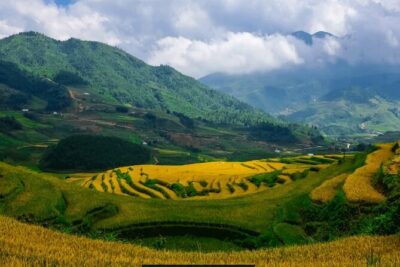
Sapa Love Silver Waterfall, Lonely Tree in Heaven Gate,San Sa Ho
Read our review →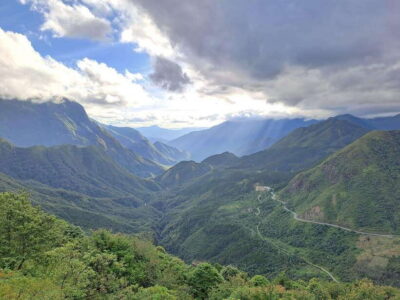
Sapa: Love Silver Waterfall, LonelyTree in Heaven-Rice Field
Read our review →
Sapa3D2N TrekkingAdventures,Valleys,Bambooforest,Waterfall
Read our review →
SaPa: 2-Day Villages,Rice Fields, Love Waterfall Hiking Tour
Read our review →Browse the lists this tour appears in