
REVIEW · WATERFALL HIKES
From Sapa: Waterfalls, Trekking and Tribal Villages Tour
Sapa’s best moments often come away from its busy center, and this tour gets you there quickly. You’ll see Silver Waterfall, Love Waterfall, and Tram Ton Pass before walking from Ban Khoan through rice fields, bamboo, cornfields, and mountain villages toward Ta Phin.
I like the mix of big natural sights and a long village walk. I also like the chance to share a picnic with local people rather than simply stopping for photographs. Guides such as Lisa, Lan, Cu, Sue, and A have been praised for their stories, English, and flexibility.
The main concern is the distance. The walk is described as about 15 kilometers over four hours, but one account measured closer to 17 kilometers for the village section, plus roughly four kilometers around the waterfalls. This is not a gentle stroll for everyone, especially on muddy or steep trails.
Key points to know before you book
- Two waterfalls come first: Silver Waterfall and Love Waterfall are reached by car from Sapa, with walking required at the first stop.
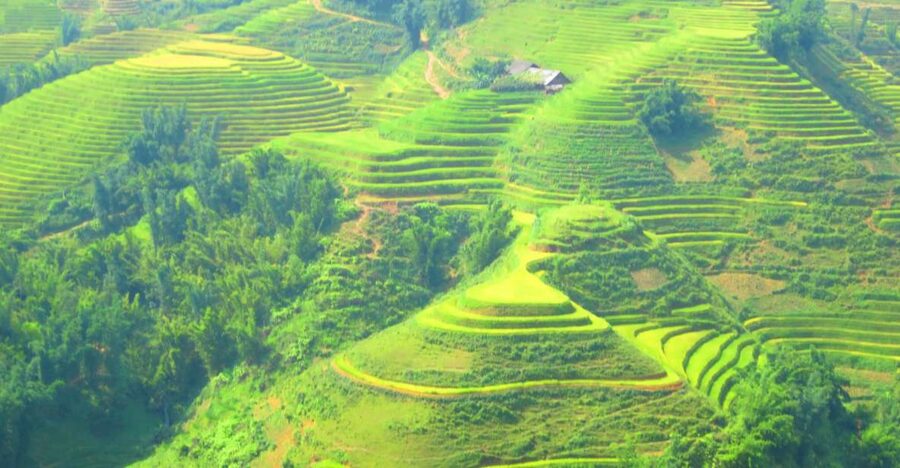
- The village trek is the heart of the day: You walk from Ban Khoan toward Ta Phin through rice paddies, cornfields, bamboo, and remote settlements.
- You meet Hmong and Red Dzao communities: Your guide explains local customs, textiles, stories, and daily life.
- Lunch is part of the experience: A picnic meal is served along the route or in a local village setting, with vegan food available when requested in advance.
- The pace can vary: Some guides allow route choices and scenery changes, but the terrain remains moderately difficult.
- Weather matters: Fog can hide the rice terraces, while rain can make the trail slippery and waterfalls larger.
Why this Sapa day trip works
Many Sapa outings focus on one famous valley and a short walk between villages. This one gives you a fuller day in the Hoang Lien National Park area. You begin with waterfalls and a high mountain pass, then spend most of the outing on foot in the countryside.
That combination is useful if you want more than a viewpoint and a quick photograph. The waterfalls provide an easy way to start the day, while the trek gives you time to understand how the villages connect to the fields around them.
The tour costs $72 per person. That is not the cheapest way to see Sapa, but the fee covers an English-speaking guide, entrance fees, a private car, lunch, and two bottles of mineral water. You are paying for transport to several scattered sights and for someone to guide you along a route that would be difficult to organize alone.
The value depends on your walking ability. If you complete the full route and appreciate a personal guide, the price is reasonable. If you mainly want waterfalls and a short village visit, you may find the trek longer than necessary.
More Waterfall Hikes in Vietnam
- Trekking Tour to Hidden Waterfall & Sturgeon Farm for dog-lovers
★ 5.0 · 67 reviews - 2 Days Motorbike Tour Ban Gioc Waterfall & Mt. Angel Eye Hike
★ 5.0 · 46 reviews - Trekking to Hidden Waterfall & Sturgeon Farm for dog-lovers
★ 4.8 · 43 reviews
Silver Waterfall and Love Waterfall
The first part takes about 30 minutes by car from Sapa Town. Your guide and driver collect you from your hotel lobby, then take you toward Silver Waterfall, Love Waterfall, and Tram Ton Pass.
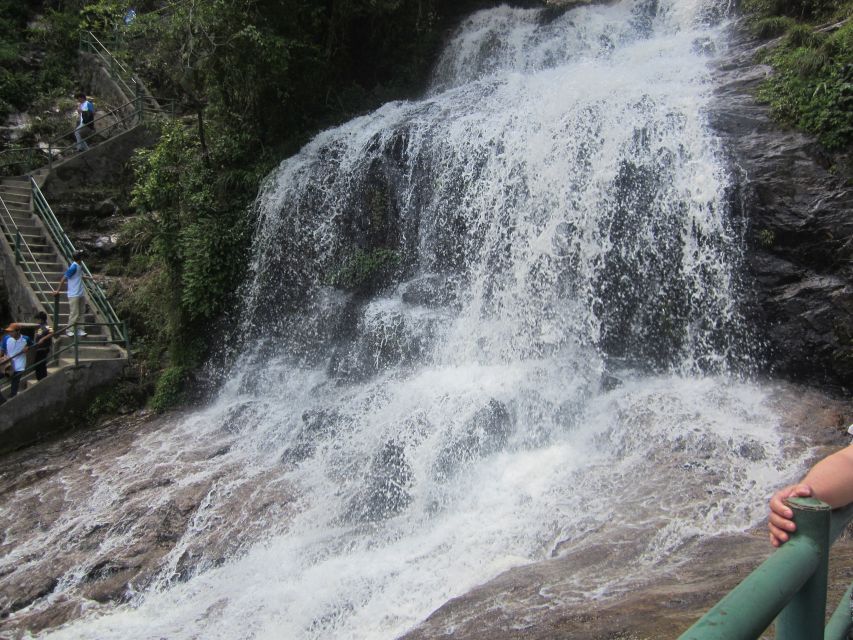
Silver Waterfall is the more imposing stop. You do not simply step out of the car and see everything from the road. You walk to the waterfall, and one account described the out-and-back walk as part of roughly four kilometers around both waterfall areas. Wear proper shoes from the start, even though the trekking section comes later.
Love Waterfall gives you a second view of the area, with a different setting and a chance to compare the two falls. Water flow depends heavily on the weather. After heavy rain, the waterfalls may be especially powerful. In fog or wet weather, though, the paths can feel slick and the views may be limited.
Tram Ton Pass adds a high mountain stop before the village walk. It is a good point to pause, take photographs, and notice how quickly the scenery changes as you leave Sapa behind.
Do not rush these first stops. They are not filler before the trek. They give you a sense of the park’s height, weather, and scale before you start walking through the lower mountain villages.
The Ban Khoan trail and the long walk
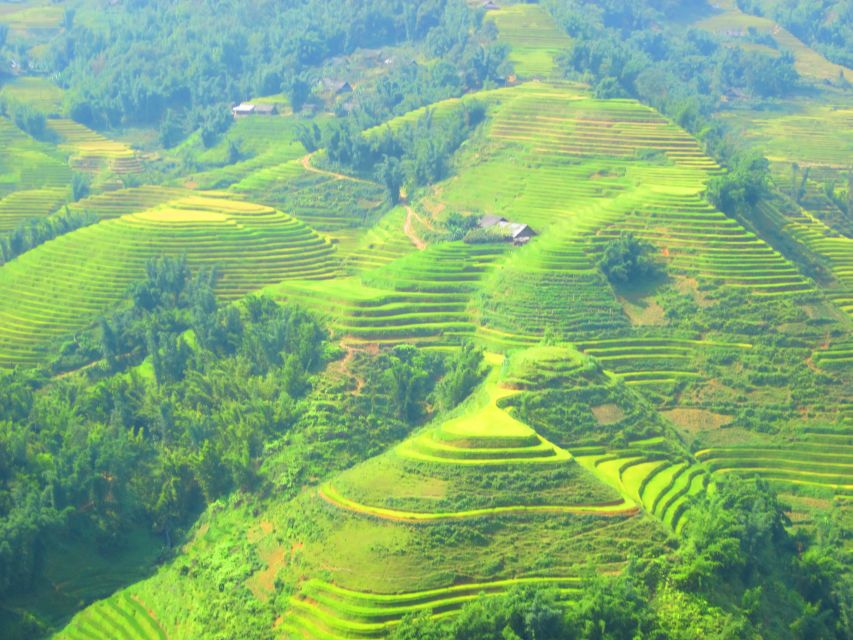
After the waterfall stops, the vehicle continues to Ban Khoan, a traditional village and the starting point for the main walk. From here, expect a mountain route through rice paddies and tribal villages, with views across the surrounding hills.
The route is described as about four hours and 15 kilometers, but the exact distance and timing deserve careful attention. One account put the total village trek at around 17 kilometers, while another finished the walking portion in about three hours with a lunch stop. A separate account said the route took five hours and could not realistically be completed in four.
The practical lesson is simple: ask your guide to confirm the route and expected walking time at the beginning. Weather, trail conditions, group pace, and optional changes can all affect the day.
The terrain is moderately difficult. You may walk uphill and downhill on uneven mountain paths, with sections through fields and forest. Mud is possible after rain. The route is not aimed at people who want to spend the day beside a vehicle.
That said, several guides have adjusted the experience to suit the group. A guide named A reportedly offered a choice of route and added different scenery, while Lan was praised for keeping a comfortable pace. Such flexibility can make a big difference, but it does not remove the physical demands of the distance.
Rice paddies, cornfields, and bamboo forest
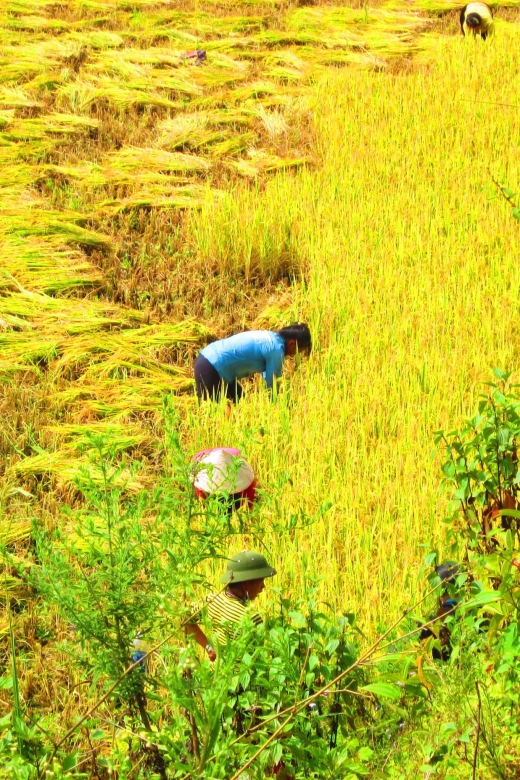
The prettiest section may be the walk between the villages rather than the formal waterfall stops. You pass rice paddies and cornfields, and one route included a bamboo forest. These quieter stretches give you a better sense of how the communities use the land.
The scenery changes with the season. Rice terraces can be striking when green, but fog may cover them almost completely. If the weather clears even for a short time, your guide can help you find good places for photographs.
Keep your camera ready, but do not spend the whole route looking through it. The point of this walk is the movement between places: field paths, forest sections, village homes, and views opening across the hills.
You may also find the route less polished than a short village circuit near Sapa. That is part of its appeal, but it also means you should expect rougher walking and fewer convenient stops. Bring a small daypack rather than a large suitcase or heavy backpack.
Same stretch of river, a different day out:
- Da Lat Countryside Minivan Shared Tour (Three Waterfalls)
★ 5.0 · 1,894 reviews - Da Lat: 3 Waterfalls Tour (Datanla – Elephant – Pongour)
★ 5.0 · 1,840 reviews - Dalat: Three Waterfalls Small Group Tour – Alpine Coaster
★ 4.9 · 1,256 reviews - Dalat: 3 Waterfalls Day Tour — Datanla, Pongour & Elephant
★ 4.9 · 931 reviews
Meeting Hmong and Red Dzao communities
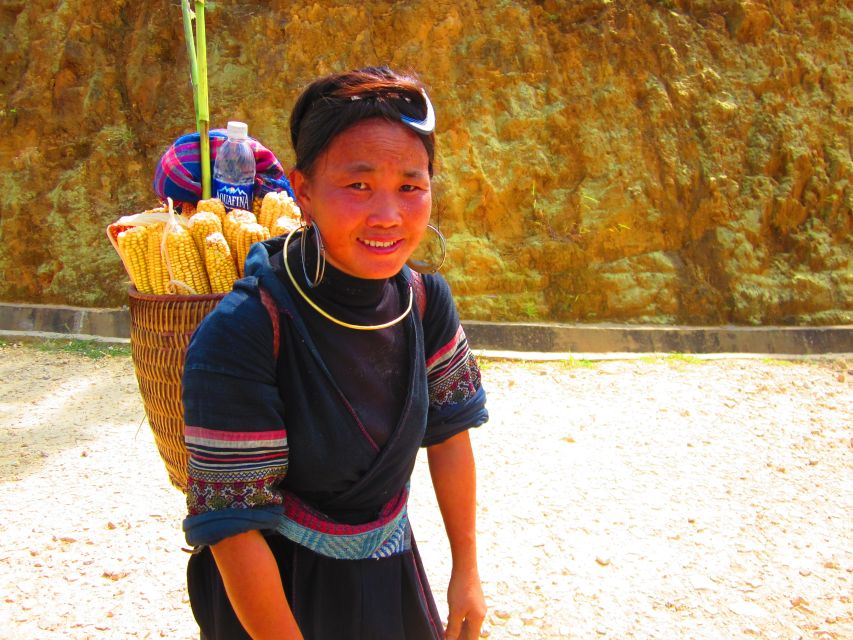
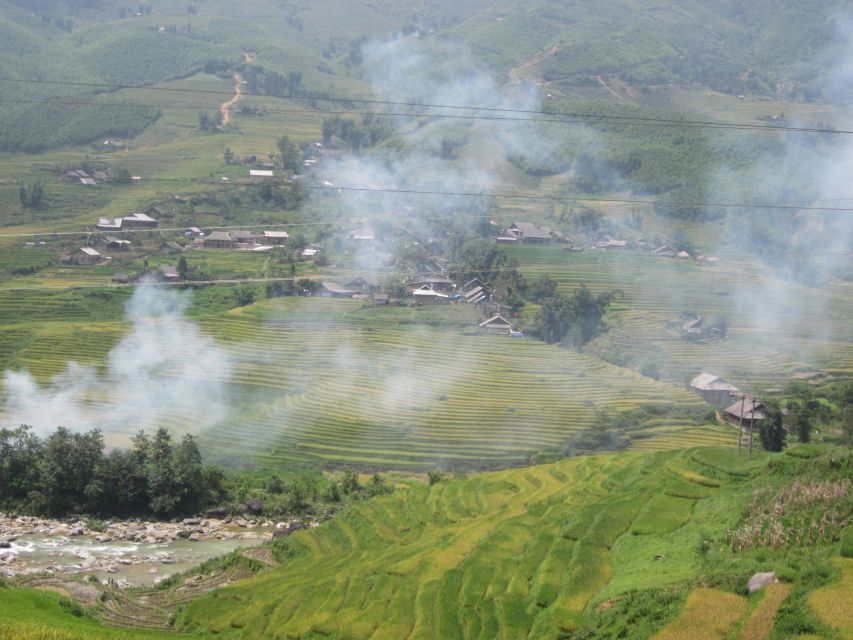
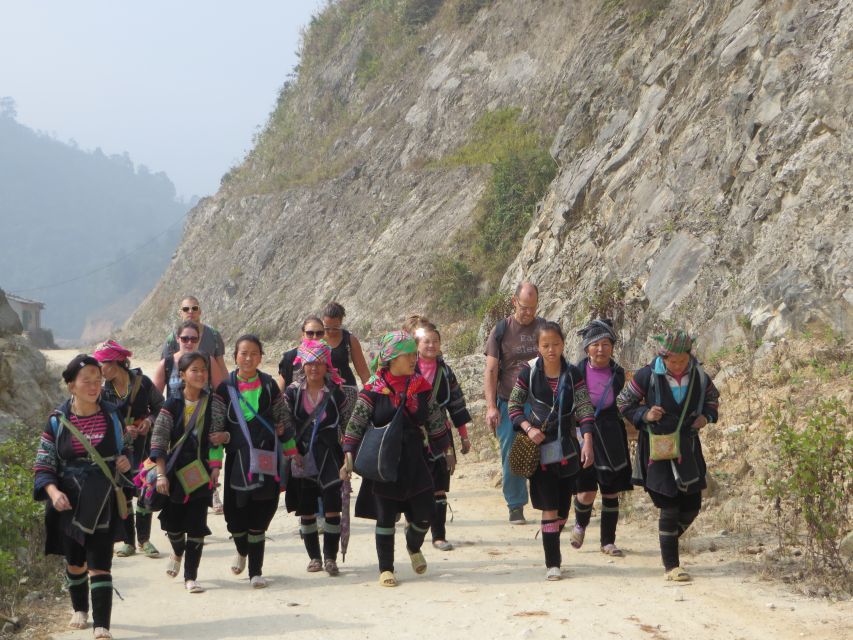
The cultural part of the tour is more than a quick photograph beside a traditional house. Your guide explains the life and customs of the Hmong and Red Dzao people as you pass through their villages.
The Hmong and Red Dzao are distinct communities, with their own traditions, clothing, and textile work. One guide, Lisa, was especially praised for explaining Hmong customs and sharing stories passed down through generations. That kind of interpretation gives the walk more meaning than scenery alone.
Your guide is important here. English-speaking guides named Lisa, Cu, Lan, Sue, and A have been singled out for being friendly, clear, and willing to answer questions. The quality of the day can depend as much on the guide’s storytelling and timing as on the weather.
Do keep your approach respectful. You are walking through working communities, not entering an outdoor museum. Ask before photographing people, homes, or textile work. Listen to your guide’s explanation instead of treating each village as a quick photo stop.
The visit to Ta Phin is the endpoint of the main route. It is associated with the Red Dzao community and gives you a chance to learn more about local life before meeting the driver for the return to Sapa.
Picnic lunch and local hospitality
Lunch is included, and it is served during the walking portion or in a local village setting. The exact arrangement can vary, so do not expect a restaurant meal with a fixed menu.
The meal has been described as a pleasant spread prepared by a local person, while another group received sandwiches. That difference matters. This is a simple picnic lunch, not a culinary tour, but it fits the day well and gives you time to rest your legs.
If you are vegan, tell the operator when booking and remind your guide at the start. Vegan food has been provided on this experience, but dietary requests should not be left until lunchtime.
Lunch also creates a natural pause in a demanding walk. You can refill your energy, ask questions, and talk with your guide about the villages and customs you have seen. Bring a little extra food if you normally need frequent snacks, since the supplied meal may be modest.
Two bottles of mineral water per person are included. I would still bring a refillable bottle if you use a lot of water during exercise, particularly in warm weather.
Weather, clothing, and physical effort
Sapa’s weather can change quickly. You might have clear views at one stop and fog at the next. Rain can make the trails muddy, while a wet day can make the waterfalls much more dramatic.
Wear hiking shoes with a solid grip. Comfortable clothes are essential, but sandals and smooth-soled trainers are poor choices for a long mountain route. A raincoat belongs in your daypack even if the morning begins dry.
Bring insect repellent, sunscreen, a sun hat, and personal supplies. From November through March, warm clothes are recommended. You may not need heavy layers once the walking begins, but you will want protection during the cooler waterfall and pass stops.
One useful warning is that the route may feel warmer than expected once you climb. A participant who prepared for cold conditions found the walking effort produced plenty of heat. Dress in layers rather than wearing one very heavy outfit.
Fog is not simply a nuisance. It can block the rice terrace views that make this route special. If wide views are your main goal, try to choose a day with a favorable forecast, though mountain weather is never guaranteed.
Group size, guide, and transport
The group is limited to 15 people, with hotel pickup in Sapa Town. A private car transfer is included, and the drive to the waterfall area takes about 30 minutes each way.
The small-group format is useful on narrow paths. It also gives you more chance to ask questions and keep the pace manageable. A private car transfer means you are not arranging separate transport between Sapa, the waterfalls, Ban Khoan, and Ta Phin.
Confirm your booking with the operator before the morning of the tour. One person reported that the local agency did not immediately recognize a booking made a week earlier. That is an organization problem rather than a feature of the route, but it is worth avoiding with a quick message or call.
The advertised duration is five hours, yet the walking estimates do not always fit neatly into that window. Ask exactly when the vehicle leaves Sapa, how long you will spend at the waterfalls, and how much time is reserved for the trek. This is especially important if you have a train or bus later that day.
Who should book this tour
I would choose this trip if you want a full outdoor day with local cultural context and do not mind a demanding walk. It suits people who prefer rice fields, village paths, and conversations with a guide over a checklist of major sights.
It is also a good choice for visitors who want to see both waterfalls without arranging their own transport. Families with older children may enjoy it, but the distance and uneven ground should be considered carefully.
I would hesitate if you have limited walking fitness, a leg injury, or a strict timetable. The route can be moderately difficult, and the exact distance may be longer than the basic description suggests.
You should also think twice if your priority is a short, relaxed excursion. The waterfall visits are manageable, but the Ban Khoan to Ta Phin walk is the main event, not a brief add-on.
Cancellation and booking details
You can cancel up to 24 hours in advance for a full refund, and you can reserve now and pay later. The tour includes entrance fees, so you do not need to budget separately for the listed waterfall and park stops.
Pickup is included from hotel lobbies in Sapa Town. The experience is conducted in English and uses a live guide. Hotel accommodation, insurance, and bus or train tickets are not included.
Should you book the Ban Khoan to Ta Phin trek?
Book it if you want Sapa scenery with substance: two waterfalls, a mountain pass, a long countryside walk, and time to learn about Hmong and Red Dzao communities. The guide can make the cultural side especially rewarding, with names such as Lisa, Cu, Lan, Sue, and A associated with warm, informative guiding.
Before paying, be honest about the distance. Treat this as a real mountain trek that happens to include waterfalls, not as a sightseeing drive with a short walk. If you bring proper shoes, prepare for changing weather, and confirm the expected route and timing, the $72 price offers good value for an active day beyond Sapa’s center.
FAQ
Where does the tour start?
Pickup is included from your hotel lobby in Sapa Town.
How long does the tour last?
The stated duration is five hours, with starting times available when you check the date. The walking portion is described as about four hours, though actual timing can vary.
How far is the trek?
The main trek is described as approximately 15 kilometers. One account estimated the village section at about 17 kilometers, and the waterfall walks added further distance.
Which waterfalls are included?
The tour visits Silver Waterfall and Love Waterfall in the Hoang Lien National Park area.
Does the tour visit Tram Ton Pass?
Yes. Tram Ton Pass is visited before the trek begins from Ban Khoan.
Which communities will I learn about?
The tour focuses on the Hmong and Red Dzao people. The route finishes at Ta Phin Village, associated with the Red Dzao community.
Is lunch included?
Yes. A picnic lunch is included. Vegan food has been provided on this experience, but you should state dietary needs when booking.
What should I bring?
Wear comfortable clothes and hiking shoes. Bring insect repellent, sunscreen, a raincoat, a sun hat, and a small daypack. From November through March, bring warm clothes.
Just added around Vietnam
- Da Lat Full-day Tour with Langbiang Mountain, Datanla Waterfall, Crazy House★ 3.5 · 11 reviews
- Vietnamese Culture: Phin-Making Tour Beyond Elephant Falls, Dalat★ 5.0 · 19 reviews
- Da Lat: Half-Day Morning – Clay Tunnel, Crazy House, Datanla Fall★ 5.0 · 43 reviews
- Dalat Waterfall Tour★ 5.0 · 9 reviews
- VIP Dalat 3 waterfalls – Datanla, Elephant Pongour & Coffee Tour★ 5.0 · 8 reviews
- Da Lat Easy Rider Group Waterfall Motorcycle Adventure★ 5.0 · 38 reviews
- Da Lat Discover Waterfalls and Cultures Tour★ 5.0 · 114 reviews
- Full Day Private Silk Village And Elephant Waterfall Tour★ 5.0 · 14 reviews
Waterfall Hikes, compared.
From Marrakech: Ouzoud Waterfalls Guided Hike and Boat Trip
Read our review →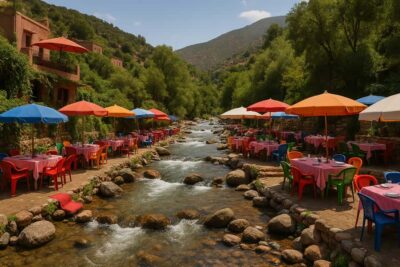
Marrakech: ourika valley lunch & guided hike to waterfalls
Read our review →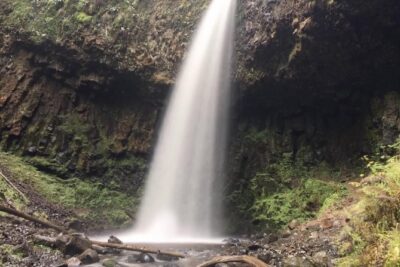
Multnomah Falls and Columbia River Gorge Half-Day Hiking Tour
Read our review →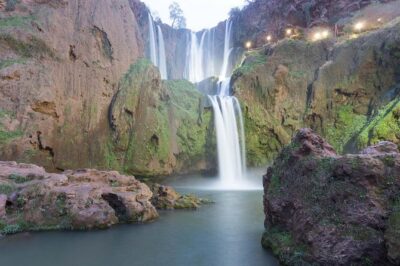
Ouzoud Waterfalls Guided Hike and Boat Trip from Marrakech
Read our review →
Marrakesh: Ouzoud Waterfalls Trip with Hike & Boat Option
Read our review →
Small Group Waterfall and Rainforest Hiking Adventure on Maui
Read our review →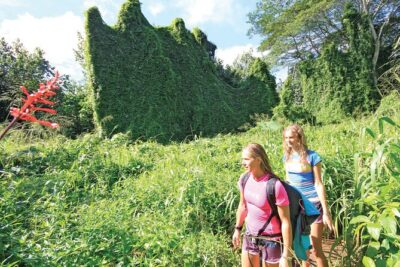

Rovaniemi: Korouoma Canyon Frozen Waterfalls Hike & BBQ
Read our review →Browse the lists this tour appears in