
REVIEW · WATERFALL HIKES
Chiang Rai Trek: 4 Hilltribes Villages & Waterfall Only Walk
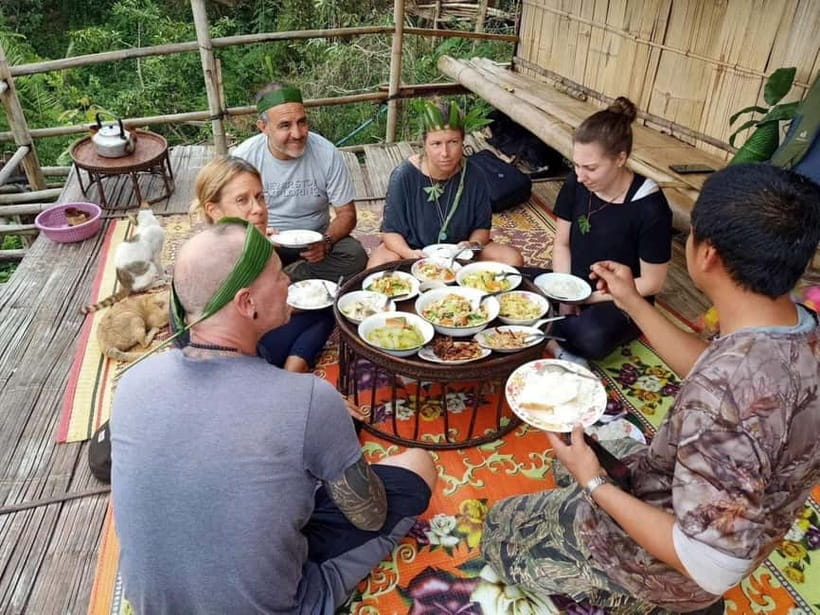
The best part of this Chiang Rai trek is the way the day links four hilltribe villages with ordinary farm life, forest paths, and a waterfall swim. You are not just driven to a viewpoint, handed a snack, and sent home. You walk from the hot spring through bamboo forest, cook lunch over a wood fire, and meet a side of northern Thailand that is easy to miss from town.
I like the bamboo-hut cooking session, where you help prepare lunch in a traditional kitchen without LPG. I also like the mix of stops: tea plantation, pineapple, rice, coffee, chocolate, and forest plants, followed by a swim at Huay Kaew Waterfall and a hot bath. The guide explains local plants, village life, and customs as you go.
The main caution is the walking. The route takes about five hours and roughly 10 kilometers, with steep uphill sections and few flat stretches. Pickup can also run late, so do not plan a tight morning appointment after the stated 8:30 to 9:00 pickup window.
Key points
- Four villages in one walking route: Visit Lisu, Chinese, Akha, and Lahu communities around Lam Nam Kok National Park.
- Lunch cooked over firewood: Prepare food in a bamboo hut using a traditional hilltribe kitchen.
- A real swim stop: Huay Kaew Waterfall is described as Chiang Rai’s second-largest waterfall, with time to cool off.
- Tea and working farms: Walk through a Chinese village tea plantation and pass pineapple, rice, coffee, and chocolate fields.
- A hot-spring finish: Return to the spring for a mineral bath before driving back to Chiang Rai.
- Best for active adults: The route is not suitable for children under 10, wheelchair users, or people over 70.
A full day beyond Chiang Rai’s main sights
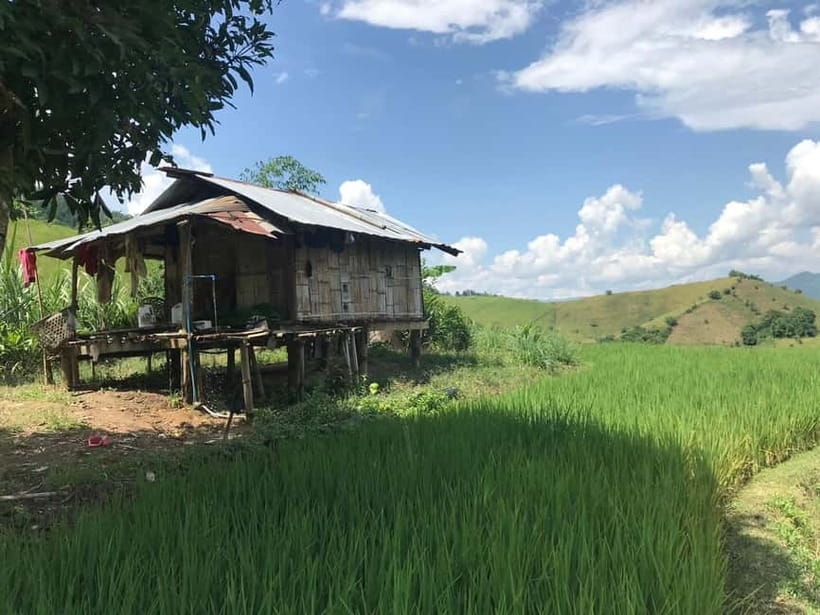
This is a small-group walking tour from Chiang Rai to the Lam Nam Kok National Park area and back. Transportation, an English-speaking guide, lunch, drinking water, and travel insurance are included in the $82 price.
The day lasts about eight hours, with around five hours spent walking. That makes this more than a casual countryside outing. You will spend long stretches on forest and farm paths, so the value depends on what you want from a day trip. If you want a quick photo stop and a comfortable vehicle between attractions, this is the wrong choice. If you want to understand how village, forest, and farm life fit together, the format works well.
The group is kept small, though the exact maximum is not given. A smaller group matters here because the guide needs to explain plants, help with the cooking, and keep the walking pace manageable on uneven ground.
More Waterfall Hikes in Thailand
- Khao Sok: Private Waterfalls and Wildlife Half-Day Trek
★ 4.5 · 337 reviews - Chiang Mai: Full-Day Jungle Trek, Tubing & Waterfall Adventure
★ 5.0 · 216 reviews - Trekking to Waterfall Adventure Tubing 45 mins. (Only Khao lak)
★ 5.0 · 111 reviews
Starting at the hot spring and entering the forest
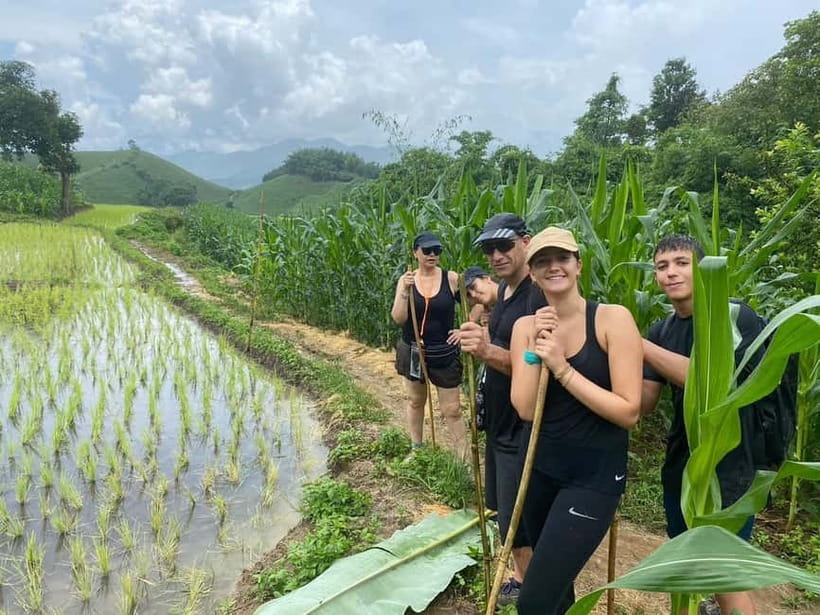
The vehicle takes you from your Chiang Rai hotel to the trekking area. The walk begins at the hot spring, then heads through forest and bamboo forest toward a Lisu village.
Starting on foot gives the day a useful rhythm. You move from the familiar tourist setting of a hot spring into a quieter rural area, with the guide pointing out plants and explaining how people use the land. Several people who rated the trip highly appreciated learning about edible plants, herbs, spices, and local vegetation along the route.
You may also see farm plots as you walk. The route passes fields connected with pineapple, rice, coffee, and chocolate, along with tea and other crops. These are not presented as a formal agricultural tour, but they help explain the daily setting around the villages.
Bring insect repellent. You will be outdoors in forest and farm areas for hours, and the tour specifically recommends it.
The Lisu village and the wood-fire lunch
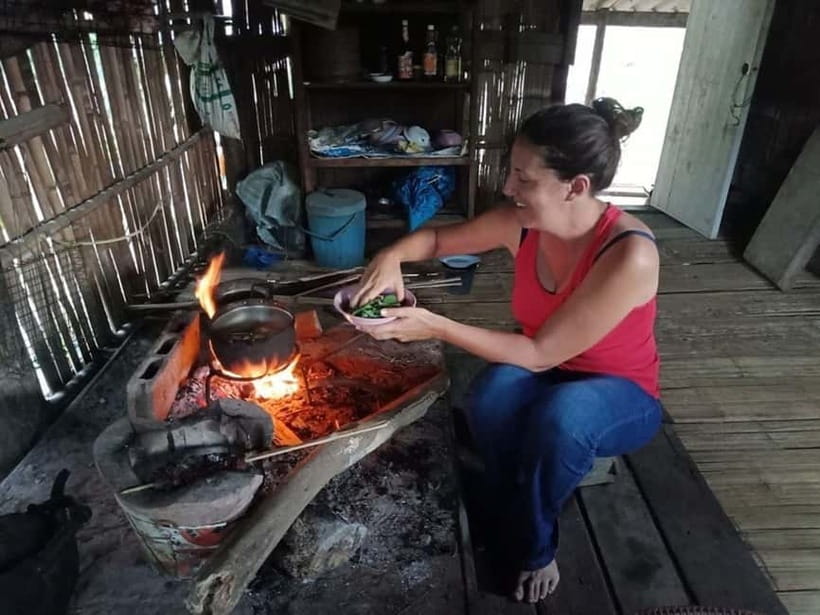
The Lisu village is the first major village stop, and it is also where the cooking becomes the center of the day. You and the guide prepare lunch in a bamboo hut using a traditional kitchen and firewood rather than a gas stove.
I see this as the tour’s most memorable feature. A meal can tell you more about daily life than a quick walk past houses, especially when you take part in the preparation. You get to see the kitchen, handle the process, and understand the work behind a simple village meal.
The guide can also identify plants and ingredients found along the route. Food tasting is part of the experience, with fruit, leaves, and spices available to try as you walk. The exact menu is not specified, so you should not book this expecting a particular dish or a fixed cooking class.
Lunch is included, as is drinking water. Still, carry extra water if you normally drink a lot during exercise. The supplied list asks you to bring water, which is sensible for a five-hour walk in warm conditions.
Tea fields in the Chinese village
After lunch, the route continues to a Chinese village and its tea plantation. This is a good change of scene after the bamboo hut and forest. You see cultivated hillside land rather than only trees, and the guide connects the tea fields with the people who work them.
The walk also passes other local crops. The mix of tea, pineapple, rice, coffee, and chocolate gives you a broader picture than a single plantation visit. You are seeing working farmland as part of a village economy, not simply entering a display made for tourists.
The route is still a walk, not a tasting-focused plantation excursion. The experience emphasizes the setting, farming, and local knowledge. If tea production is your main interest, you may want a dedicated tea tour as well. Here, tea is one stop within a much longer day.
Same stretch of river, a different day out:
- Chiang Mai: Elephant Sanctuary, Waterfall & Bamboo Rafting
★ 4.9 · 9,160 reviews - Chiang Mai: Elephant Sanctuary & Waterfall Group Tour
★ 4.9 · 5,780 reviews - Chiang Mai: Elephant Sanctuary, Long Neck & Sticky Waterfall
★ 4.9 · 2,262 reviews - Doi Inthanon Waterfall and Royal Project Chiang Mai
★ 5.0 · 1,735 reviews
Huay Kaew Waterfall and the best chance to cool off
The path continues to Huay Kaew Waterfall, described as the second-largest waterfall in Chiang Rai. You have time to swim, so bring swimwear and a change of clothes.
This stop matters because the walking route is demanding. After forest paths, farm roads, and uphill sections, a swim gives you a clear break rather than another viewpoint squeezed into the schedule. The waterfall may also be quieter than better-known attractions, although conditions and visitor numbers can change.
Use sensible care around wet rocks and uneven ground. The tour information confirms that swimming is part of the stop, but it does not provide details about changing facilities, water depth, or current conditions. A lightweight towel would also be useful, even though it is not listed among the required items.
Akha farmland and open mountain views
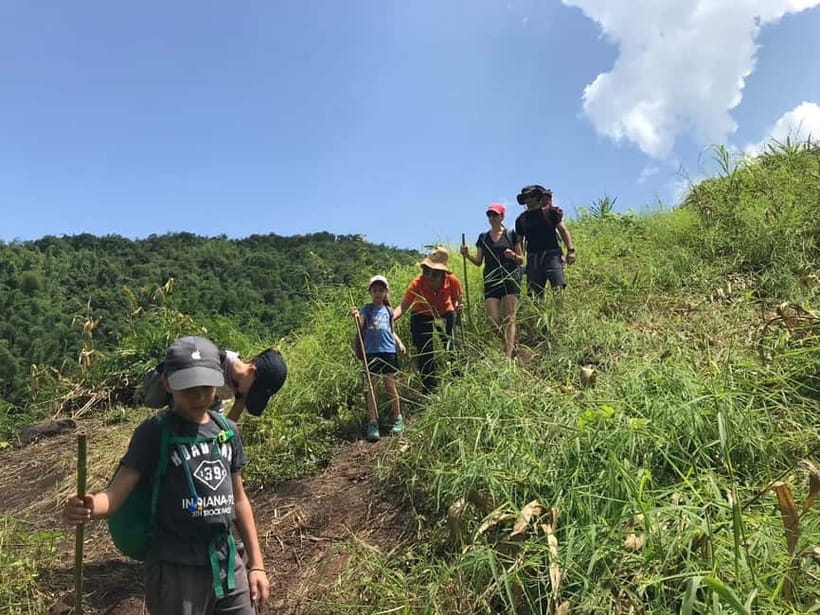
After the waterfall, you continue toward an Akha village and its farmland. This section lets you see how the route moves between forest and cultivated ground. The views open up, with fields and mountain scenery replacing the enclosed feel of the bamboo forest.
The guide’s role is important here. The strongest part of this tour is not simply reaching four village names. It is having someone explain local customs, plants, and ways of life while you walk through the places where those things are visible.
The path is not flat. One detailed account puts the full walk at about 10 kilometers and warns of steep uphill sections. The route was considered manageable for active people who are not top athletes, but you should be comfortable walking for several hours before booking.
Wear shoes with a firm sole. The official packing advice includes a hat, swimwear, a change of clothes, water, and insect repellent, but sturdy walking shoes are a practical addition for the rougher parts of the route.
The Lahu village and the return to the spring
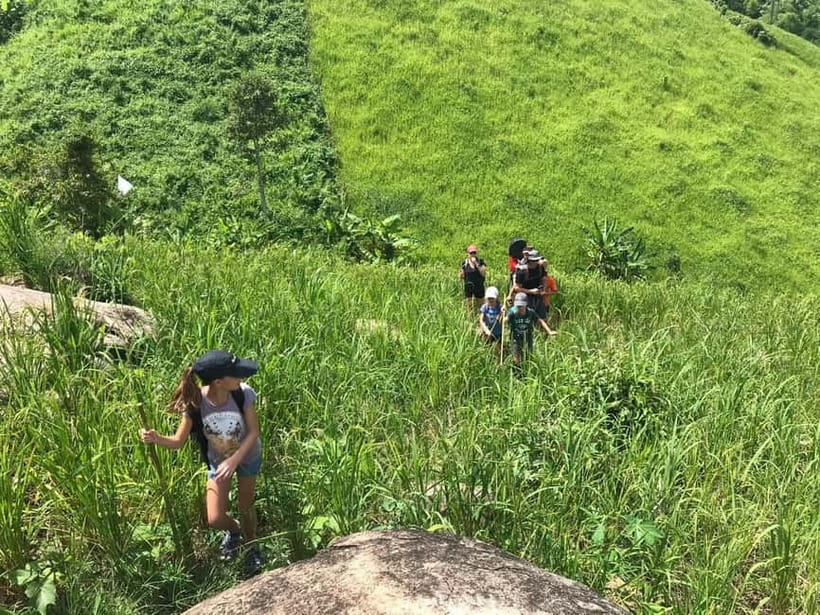
The route then reaches a Lahu village before looping back toward the hot spring. By this point, you will have seen four different hilltribe communities: Lisu, Chinese, Akha, and Lahu.
It is worth keeping expectations realistic. This is a walking visit through village and farm areas, not a museum-style cultural presentation. You may see ordinary homes, fields, cooking practices, and local routines, but the tour does not promise a formal performance or a long scheduled meeting with village residents.
That is part of its appeal. The day is built around movement and observation rather than staged entertainment. Your guide provides context, while the setting provides the detail.
Back at the hot spring, you can take a mineral bath before the vehicle returns you to Chiang Rai. The hot bath is a pleasant contrast to the waterfall. You cool off in the middle of the day, then finish with warm water and a quieter pause.
What the guide adds to the day
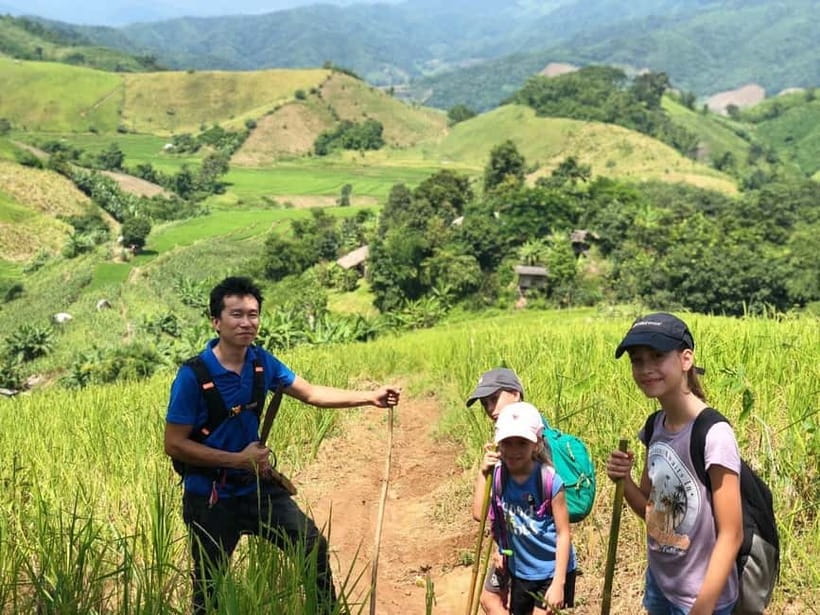
The guide is central to this experience. The guide explains plants, animals, customs, village life, herbs, and food as you move between stops. English is the listed tour language.
The guide also keeps the cooking session practical and helps connect what you see in the forest with what appears in the kitchen. That matters because without explanation, a walk through farmland can become a series of attractive but confusing views.
Several highly rated accounts praise the guide’s friendly manner, humor, respect for local communities, and care for the group. The supplied information does not provide the guide’s personal name, so you should not expect to request a named guide when booking.
Is $82 a fair price?
At $82 per person, this is not the cheapest way to see the countryside around Chiang Rai. But the price includes hotel transportation from Chiang Rai, a guide, lunch, drinking water, and travel insurance, along with a full day of walking and several distinct activities.
The value is strongest if you would otherwise book separate transport, a village visit, a waterfall outing, and a hot spring stop. The cooking session adds something that a standard sightseeing route does not. So does the guide’s plant knowledge and the chance to cross farmland on foot.
The value is weaker if you dislike long walks or would use only the vehicle transfers and photo stops. You are paying for time, interpretation, and access to a varied route, not just entrance tickets.
Other expenses are not included. The exact nature of those costs is not stated, so keep a little extra money available rather than assuming the $82 covers every possible purchase.
Practical limits you should take seriously
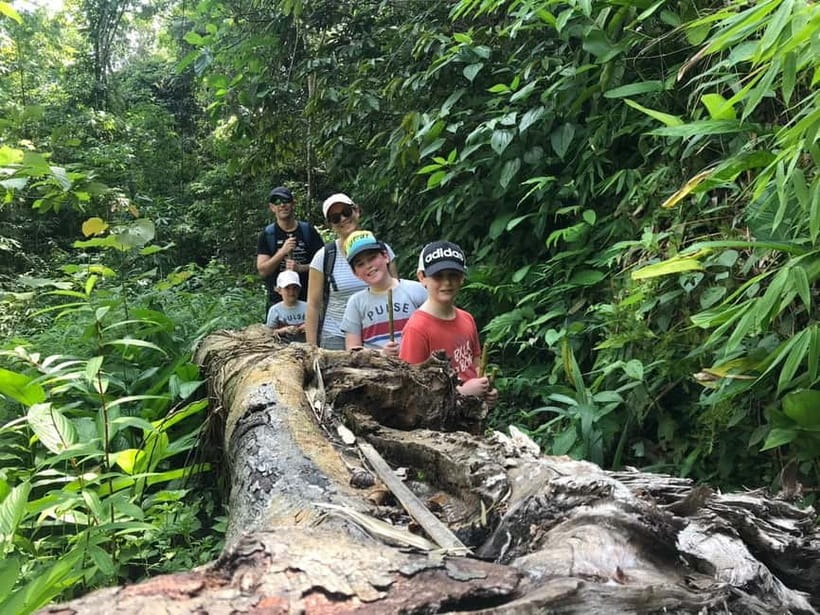
The tour is not suitable for children under 10, wheelchair users, or people over 70. Those limits fit the route’s length, hills, uneven paths, and forest setting.
You should be an active walker, but you do not need to be a top athlete. A five-hour route with steep sections requires basic stamina, and the waterfall and hot spring do not remove the effort needed to reach them.
Pickup is offered from Chiang Rai, and the tour ends back in Chiang Rai. If you stay outside the normal pickup radius, contact the operator directly before booking. Also allow extra time in the morning. One pickup ran about 15 minutes beyond the stated window, and the delay caused a much longer wait for the person being collected.
Pack:
- Hat
- Swimwear
- Change of clothes
- Water
- Insect repellent
- Firm walking shoes
Pets, alcohol, and drugs are not allowed. The booking terms permit a full refund when you cancel at least 24 hours ahead, and you can reserve now and pay later, which helps if your Chiang Rai schedule is still shifting.
Who should book this Chiang Rai trek?
I would choose this trip if you want a day shaped by walking, food, plants, and village life rather than by major monuments. It suits active adults who enjoy asking questions and trying local ingredients, and who are happy with a route that may feel more like a countryside hike than a polished attraction.
The tour is especially appealing if you want:
- A small-group outing
- Four hilltribe villages in one day
- A hands-on lunch in a bamboo hut
- A waterfall swim
- Tea and farm fields
- A mineral hot bath at the end
- A guide who explains plants and local customs
I would think twice if you need level paths, exact timing, air-conditioned sightseeing, or a clearly defined menu. The route is long, pickup may not be exact, and some details of the village visits depend on the walk and the guide rather than a fixed show.
Should you book it?
Book this Chiang Rai trek if you want an active and personal look at northern Thailand, and if cooking lunch over firewood sounds more appealing than ticking off another viewpoint. The strongest reasons are the varied route, the guide’s plant and cultural explanations, and the chance to combine villages, farms, waterfall, and hot spring in one day.
Skip it if you are not comfortable with about 10 kilometers of walking and steep ground. For the right person, $82 buys a full day with genuine variety and useful local context. It is a better choice for curious walkers than for passengers who simply want to be driven from stop to stop.
FAQ
Where does the Chiang Rai trek start and finish?
The tour starts in Chiang Rai, travels to the trekking area near Lam Nam Kok National Park, and ends back in Chiang Rai.
How long does the walking portion take?
The total walking time is about five hours. The full experience lasts around eight hours.
How far is the walk?
The walking distance is approximately 10 kilometers.
Which hilltribe villages are included?
The route includes Lisu, Chinese, Akha, and Lahu hilltribe villages.
Is lunch included?
Yes. Lunch is included and is prepared in a hilltribe bamboo hut using a traditional wood-fire kitchen.
Can I swim during the tour?
Yes. You can swim at Huay Kaew Waterfall, described as the second-largest waterfall in Chiang Rai.
Is a hot spring visit included?
Yes. The tour returns to the hot spring at the end, where you can take a mineral hot bath before driving back to Chiang Rai.
What should I bring?
Bring a hat, swimwear, a change of clothes, water, and insect repellent. Firm walking shoes are also a sensible choice for the long route.
Is the tour suitable for children or wheelchair users?
It is not suitable for children under 10 or wheelchair users. It is also not suitable for people over 70.
What happens if I need to cancel?
You can cancel up to 24 hours in advance for a full refund. The tour also offers a reserve-now, pay-later option.
More Waterfall Walks in Thailand
- Chiang Mai Untouched Elephant: Nature Walk & Waterfall Trek
★ 4.7 · 77 reviews - Chiang Rai: 2-Day Jungle Trek only walk with Waterfall
★ 4.8 · 17 reviews - From Sydney: Blue Mountains Tour with Waterfall Walk & Lunch
★ 4.8 · 2,400 reviews - Krka Waterfalls tour with Trogir Walking tour and Krka panoramic boat cruise
★ 5.0 · 1,659 reviews
Just added around Thailand
- Trek to a Jungle Waterfall★ 5.0 · 14 reviews
- Waterfall Wanderer Doi Inthanon Hiking Tour★ 5.0 · 15 reviews
- Private Tour: Bua Thong Sticky Waterfalls Tour★ 5.0 · 8 reviews
- Sticky Waterfall Cycling Tour★ 5.0 · 68 reviews
- Private tour Chiang Dao cave ,Temples,Sticky waterfall★ 5.0 · 14 reviews
- Sticky Waterfalls Private Half Day Fun Escapades★ 4.5 · 8 reviews
- 7 Hour Sticky Waterfall and ATV Guided Adventures★ 5.0 · 61 reviews
- Sticky Waterfall Chiang Mai and Mae Ngat Boat Tour★ 5.0 · 19 reviews
Waterfall Hikes, compared.
From Marrakech: Ouzoud Waterfalls Guided Hike and Boat Trip
Read our review →
Marrakech: ourika valley lunch & guided hike to waterfalls
Read our review →
Multnomah Falls and Columbia River Gorge Half-Day Hiking Tour
Read our review →
Ouzoud Waterfalls Guided Hike and Boat Trip from Marrakech
Read our review →
Marrakesh: Ouzoud Waterfalls Trip with Hike & Boat Option
Read our review →
Small Group Waterfall and Rainforest Hiking Adventure on Maui
Read our review →
Rovaniemi: Korouoma Canyon Frozen Waterfalls Hike & BBQ
Read our review →Browse the lists this tour appears in