REVIEW · RAINFOREST & JUNGLE WATERFALL TOURS
Chiang Rai: 2-Day Jungle Trek only walk with Waterfall
Chiang Rai’s best jungle experience here is not just a walk through trees. You learn to make cups, chopsticks, and cooking tools from bamboo, then use them for lunch. You also visit Lesu, Chinese, Akha, and Lahu communities, with a night in an Akha village.
I like the practical bush skills and the chance to share a real village stay instead of returning to town each afternoon. I also like the variety: tea plantations, bamboo forest, rice fields, a waterfall, and a hot spring. The catch is serious: about 10 kilometers of walking each day, with steep climbs, so this is not an easy forest stroll.
Key points at a glance
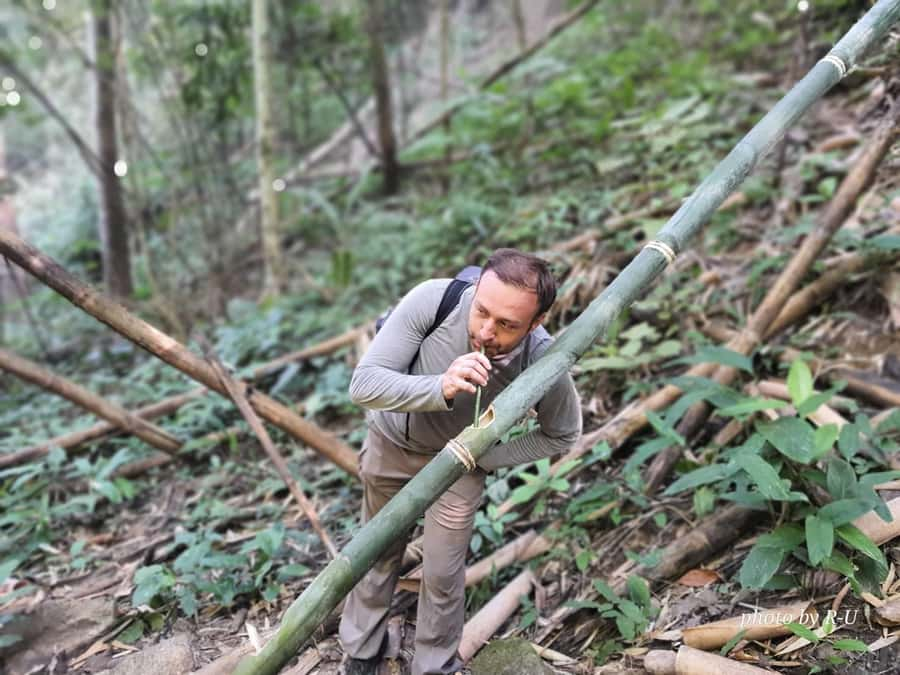
- Hands-on jungle skills: Carry a traditional long-bladed jungle knife and learn how bamboo becomes cups, chopsticks, and cooking gear.
- Four hill communities: Walk through Lesu, Chinese, Akha, and Lahu villages, with time to observe local life respectfully.
- Simple Akha homestay: Sleep on a thin mattress over a bamboo floor and share dinner with a village family.
- Waterfall and hot spring: Swim at the waterfall when conditions allow, then finish the trek with a 100-baht hot spring pool visit.
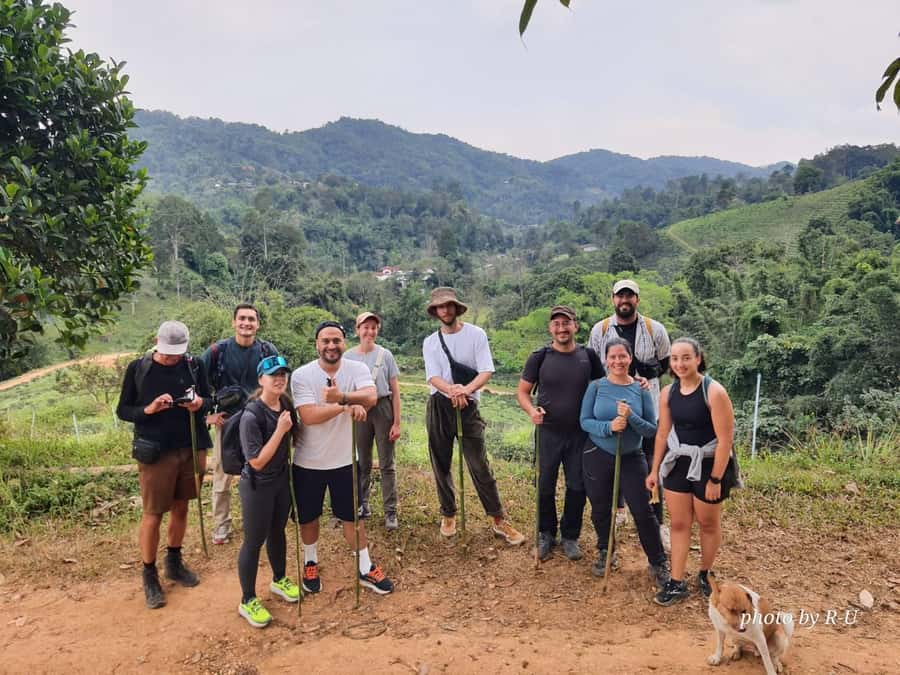
- Small groups: The tour takes up to 10 people, and guides such as Mo, Ru, and Aryu can adjust the pace or food choices.
- Real physical effort: Expect roughly 20 kilometers of walking over two days, including hills and uneven ground.
Why this Chiang Rai trek feels different
Many day trips around Chiang Rai give you a quick village stop, a photo, and a drive back to town. This one gives you time on foot. That matters because the scenery changes slowly: jungle gives way to plantations, villages appear along the mountain routes, and the evening is spent far from your hotel.
The strongest part is the practical focus. You are not simply told that bamboo is useful. You cut it, shape it, and use it. On the second day, the guide shows you how to prepare food in bamboo, with bamboo cups and chopsticks made during the walk.
Guide quality also matters here. Mo is described as relaxed, funny, and closely tied to the area, including a Lisu village where he grew up. Ru has helped with route changes for guests with injuries and with vegetarian and vegan meals. Aryu has also led private departures when no one else booked the date. Names can vary, but the useful point is clear: the guide makes or breaks this trip, and the local guides bring the cultural side to life.
The main limitation is comfort. The village accommodation is basic, with a thin mattress on a bamboo floor. Food is included and is a major part of the experience, but you are not buying a resort night in the hills. Pack with that in mind.
More Rainforest and Jungle Waterfall Tours in Thailand
- Samui Zipline FLY & Fun Tree Bridge Jungle Cafe & Waterfall
★ 4.8 · 686 reviews - Chiang Mai: Full-Day Jungle Trek, Tubing & Waterfall Adventure
★ 5.0 · 216 reviews - Ko Samui: Tree Bridge Jungle Zipline and Waterfall Adventure
★ 4.7 · 190 reviews
Day one: hot springs, jungle craft, and the first villages
Pickup is arranged from central Chiang Rai, within about 3 kilometers of downtown. Wait in your hotel lobby between 9 and 9:30 a.m. The drive takes you out toward the mountains and the starting point near a hot spring.
The first walking section introduces the plants, animals, and natural resources of the area. Your guide carries or provides a traditional long-bladed jungle knife, commonly called a machete, and demonstrates how it can be used to prepare simple items in the forest. This is a learning activity, not a free-for-all with a blade, so follow instructions closely.
The route is about 10 kilometers on this day. Some sections can be steep, and the ground may change with weather. Comfortable shoes with a firm sole are far more useful than casual sneakers. A hat, sunscreen, insect repellent, and a refillable water bottle belong in your day bag.
Lunch is served in a Lesu village. This stop gives the day a human scale. Instead of rushing through a roadside restaurant, you have a meal in a mountain community and begin to see how village life connects with the land around it.
The next section leads toward a Chinese village and a large tea plantation. Tea fields provide one of the prettiest changes in scenery on the route, especially after the enclosed feel of the forest. The region also includes bamboo groves, rice fields, and pineapple plantations, so the walk does not feel like the same view repeated for hours.
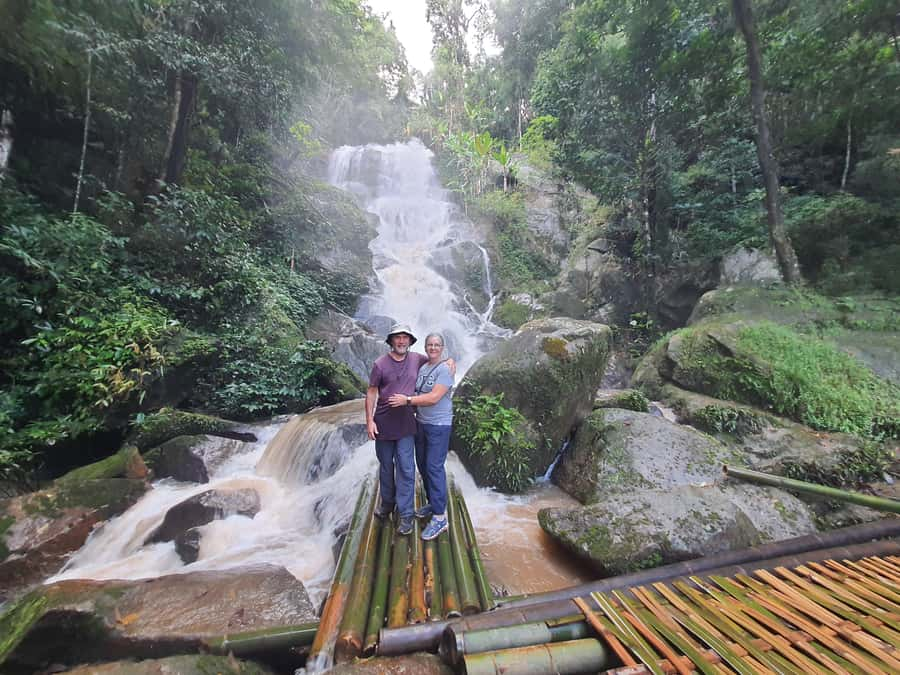
A waterfall provides the main afternoon break. Bring swimwear, a towel, and a dry change of clothes. The water is intended as a place to cool off, but conditions can vary. One account of the route found the waterfall small and not suitable for swimming, so do not treat the swim as guaranteed. Your guide will know whether the water is safe and practical on the day.
After the waterfall, you continue to an Akha village for the night. That final stretch may feel long after a full day on the trail. It is worth saving some energy rather than treating the waterfall as the finish line.
The Akha village overnight stay
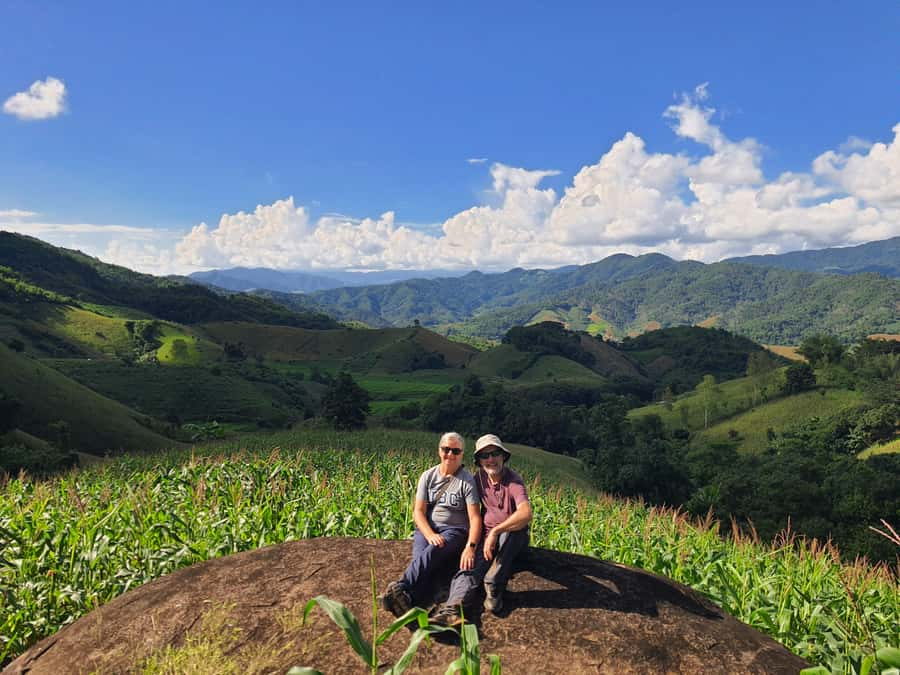
The overnight stop is the heart of the trip for anyone who values local contact over comfort. You sleep in simple village accommodation, described as a bamboo house with a thin mattress on a bamboo floor. For some people, this is a memorable taste of mountain life. For others, it is a poor night’s sleep.
A host family prepares dinner, and the evening may include singing, dancing, smiles, and time with local children. You may also help with parts of the meal, depending on the guide and the household. The point is not a staged show. It is a shared evening in a place where daily life follows a different rhythm from Chiang Rai town.
Respect matters here. Dress modestly, ask before photographing people, and let your guide explain local customs. The tour specifically asks you to respect village traditions, and that is good advice for both cultural reasons and simple courtesy.
The food is one of the better parts of the package. Four meals are included: lunch and dinner on day one, then breakfast and lunch on day two. Vegetarian and vegan requests may be possible, but state them when booking rather than assuming the village kitchen can adjust at the last minute.
Day two: bamboo cooking and the Lahu route
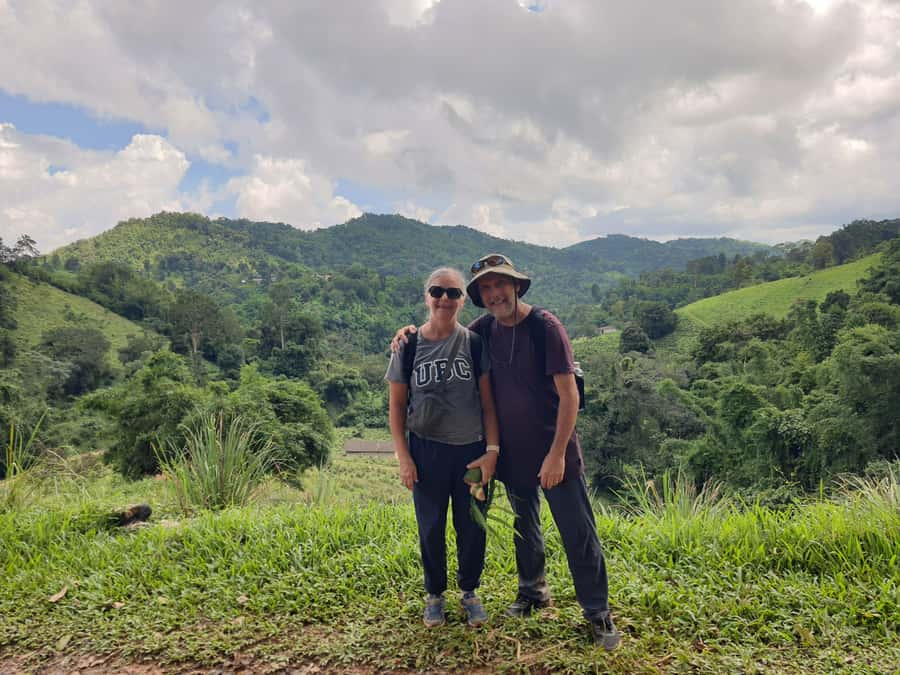
After breakfast, you leave the Akha village and return to the mountain trails. This day combines more walking with the tour’s clearest lesson in forest survival.
You cut bamboo and shape it into cups and chopsticks. Then the group cooks lunch in bamboo. This takes a basic material and turns it into a full meal setup, which helps you understand why bamboo is so important in northern Thailand. The activity is tactile and practical, not just a demonstration from a distance.
The guide also explains how people use natural resources when they have few tools. You may stop to learn about useful plants or watch a bushcraft demonstration during a rest break. These pauses are welcome on steep parts of the route, and guides have adjusted the pace for different fitness levels.
After lunch, the trail continues toward a Lahu village in the high mountains. This is another chance to see how different communities occupy the same broad region. The route links several cultural groups without reducing them to a single hill-tribe label, which is an important strength of the itinerary.
The walking is not always extreme, but it is sustained. One person with a knee injury received an altered route, while another found the climbs far more demanding than expected and left the tour early. That contrast tells you what to expect: a reasonably fit person may find the trek manageable, but the hills can expose weak knees, ankles, or backs quickly.
More Waterfall Hikes in Thailand
- Khao Sok: Private Waterfalls and Wildlife Half-Day Trek
★ 4.5 · 337 reviews - Trekking to Waterfall Adventure Tubing 45 mins. (Only Khao lak)
★ 5.0 · 111 reviews - Chiang Mai: 2-Days Jungle Trek, Waterfalls and Karen Village
★ 4.8 · 103 reviews - Chiang Mai 2-Day: Trekking, Tubing & Elephant Observation
★ 4.9 · 95 reviews
Pasoet Hot Spring: a warm finish
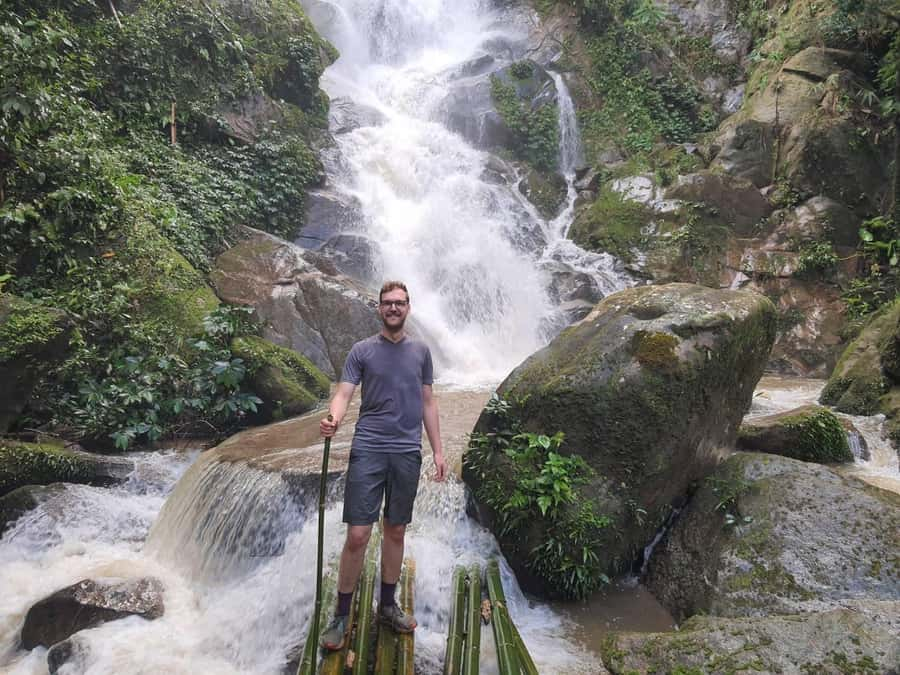
The final stop is Pasoet Hot Spring, where you can swim in a hot spa pool in the jungle. The pool visit costs an additional 100 baht, so keep small cash available. It is not included in the tour price.
This is a welcome end to a long day of walking. A warm soak can loosen tired legs before the drive back to Chiang Rai. You should still bring swimwear and a towel, even if the waterfall swim does not happen.
After the hot spring, transport returns you to the same central Chiang Rai meeting area. Hotel pickup and drop-off are included for downtown locations within the stated 3-kilometer range. If you are staying farther out, confirm the arrangement before booking rather than assuming every hotel is covered.
Fitness, weather, and what to pack
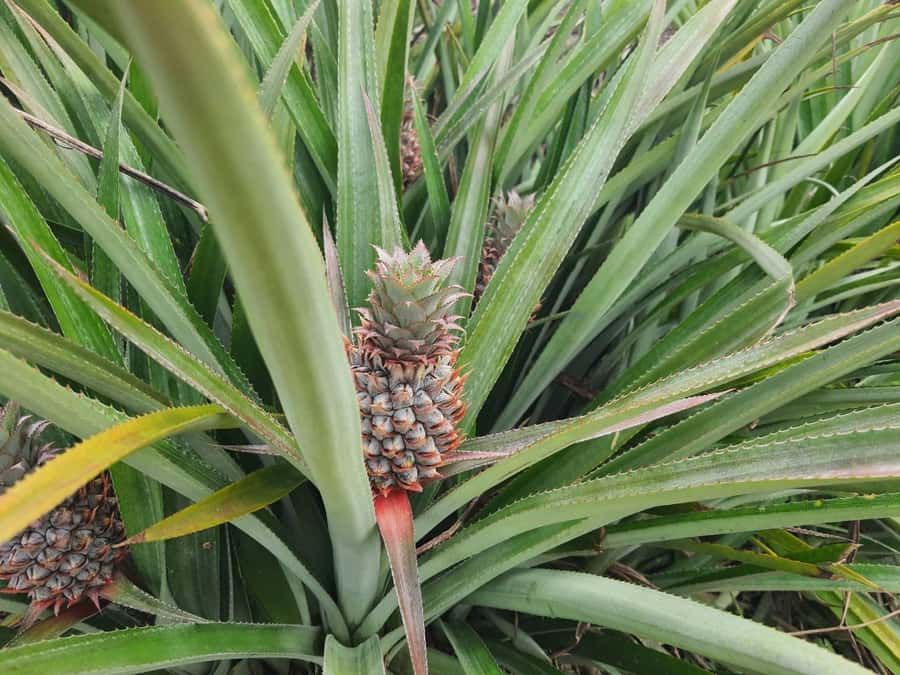
The tour is described as moderate, but that word needs a practical translation. Plan for roughly 10 kilometers of walking per day, mountain climbs, uneven paths, and changing weather. You do not need to be an athlete, but you should be comfortable walking for several hours and going uphill.
This trip is not suitable for pregnant women, people with back or heart problems, wheelchair users, babies under one year, or people over 70. Those limits are sensible given the distance and terrain.
Pack light, but bring the useful basics:
- Walking shoes suitable for uneven trails
- Hat and sunscreen
- Insect repellent
- Reusable water bottle
- Swimwear, towel, and dry clothes
- Snacks
- Camera
- Rain protection if the forecast looks uncertain
Drinking water is included, but a reusable bottle is still the better choice. Smoking, littering, making fires, and touching plants are not allowed. The last rule is worth noting: do not pick leaves or fruit just because a plant looks familiar. Let the guide explain what is safe and useful.
What the $122 price covers
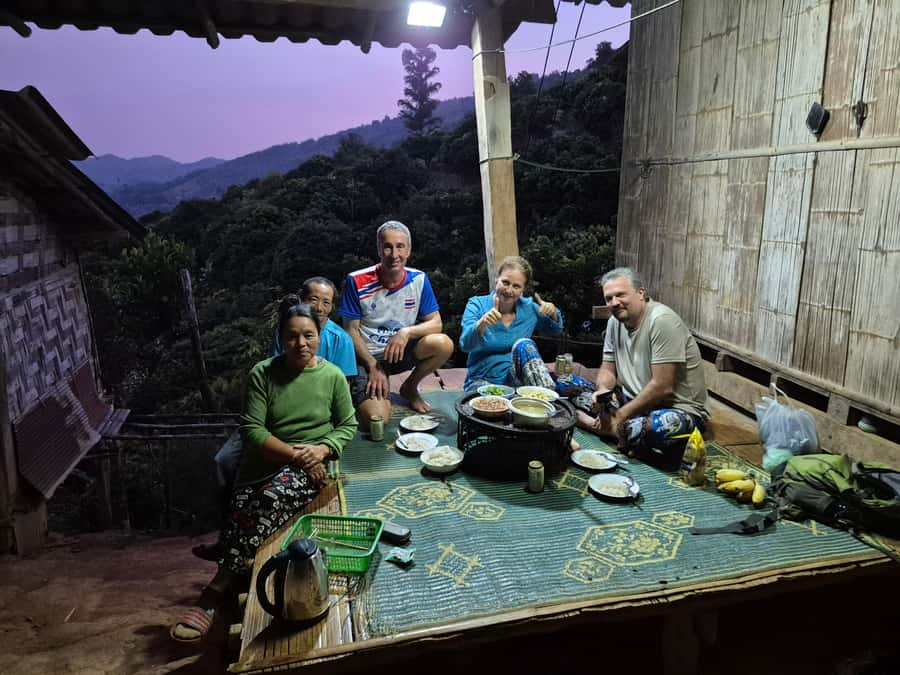
At $122 per person, the cost is reasonable if you want a two-day experience with transport, a guide, food, village accommodation, drinking water, and insurance. You are paying for more than trail access. The price includes a local guide, four meals, hotel transfers in central Chiang Rai, and the overnight stay.
The value is strongest for people who would otherwise need to arrange several separate pieces: a private transfer, a guide, meals, a homestay, and a route through several communities. A small group capped at 10 also keeps the experience more personal than a large coach excursion.
Budget another 100 baht for the hot spring. Soft drinks, alcohol, and personal spending are extra. You may also want snacks for the trail, despite the included meals.
The price is less attractive if you mainly want a short waterfall walk or a comfortable night in the mountains. The trek demands time and effort, and the accommodation is deliberately simple. You are buying participation and local contact, not polish.
Who should book this experience
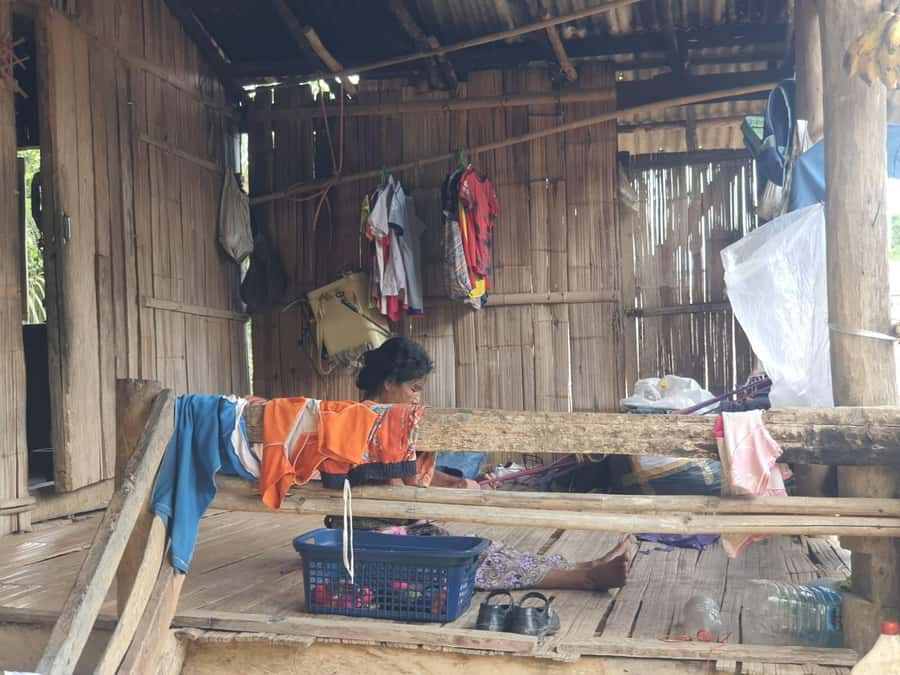
I would choose this trek if you want to learn by doing. Cutting bamboo, cooking lunch in the forest, and sleeping in an Akha village offer more substance than a quick photo stop.
It suits you especially well if you enjoy:
- Long walks with uphill sections
- Simple accommodation
- Small-group guiding
- Local food and village visits
- Nature lessons and practical skills
- A route that sees few other tourists
It is a poor fit if you dislike heat, insects, basic bedding, or steep trails. It is also not the right choice if the waterfall swim is your main reason for booking, since swimming conditions may not always allow it.
Guide flexibility is a real plus. Mo has been praised for adjusting rest stops and explaining plants during breaks. Ru has handled route changes and alternative diets. Still, guide names and group arrangements can vary, so think of these as examples of the service style, not a guaranteed individual assignment.
Booking details worth knowing
The tour runs for two days and is led in English. Pickup is normally between 9 and 9:30 a.m. from a central Chiang Rai hotel lobby. The group size is limited to 10, although a booking may occasionally become a private trip if no other participants join.
You can cancel up to 24 hours before departure for a full refund, and the reserve-now, pay-later option keeps your plans flexible. Check availability for the exact starting time, since departure details can vary.
Should you book the Chiang Rai jungle trek?
Book it if you want a demanding but personal northern Thailand experience built around local skills, mountain villages, and time on foot. The bamboo cooking lesson, Akha homestay, tea plantations, and guide-led plant knowledge give the two days a clear purpose.
Skip it if you want an easy nature outing, guaranteed waterfall swimming, or hotel-level comfort. The best preparation is honest fitness planning and a willingness to sleep simply. For the right person, the reward is not just scenery. It is learning how food, shelter, tools, and community fit together in the Chiang Rai hills.
FAQ
How much walking is involved?
The trek covers approximately 10 kilometers each day, or about 20 kilometers over two days. The route includes mountain paths, uphill sections, and uneven ground.
Where does pickup take place?
Pickup and drop-off are provided from downtown Chiang Rai locations within 3 kilometers. Wait in your hotel lobby between 9 and 9:30 a.m., and you return to the same meeting area at the end.
Is the overnight accommodation comfortable?
The accommodation is in an Akha village and is basic. You should expect a thin mattress on a bamboo floor rather than a standard hotel bed.
Are meals included?
Yes. The tour includes lunch and dinner on day one, plus breakfast and lunch on day two. Drinking water is also included.
Can I swim during the trek?
The itinerary includes a waterfall swim when conditions permit, plus swimming in a hot spring pool at Pasoet. The waterfall may not always be suitable for swimming. The hot spring entrance costs an additional 100 baht.
What language does the guide speak?
The tour is conducted in English and uses a live English-speaking guide.
Is the trek suitable for beginners?
It may suit people with moderate fitness who are comfortable walking about 10 kilometers per day. It is not an easy forest walk, and the tour is not suitable for pregnant women, people with back or heart problems, wheelchair users, babies under one year, or people over 70.
More Two-Day Trips in Thailand
- Bangkok: 2-Day River Kwai & Erawan National Park Tour
★ 4.8 · 125 reviews - Bangkok: Kanchanaburi, 2-Days Glamping in Jungle & Erawan
★ 4.7 · 36 reviews - From NYC: Niagara Falls with Outlet Shopping, 2-Day Tour
★ 4.6 · 1,042 reviews - Niagara Falls with Outlet Shopping, 2-Day Tour from NYC
★ 4.5 · 992 reviews
More Waterfall Walks in Thailand
- Chiang Mai Untouched Elephant: Nature Walk & Waterfall Trek
★ 4.7 · 77 reviews - Chiang Rai Trek: 4 Hilltribes Villages & Waterfall Only Walk
★ 4.8 · 8 reviews - From Sydney: Blue Mountains Tour with Waterfall Walk & Lunch
★ 4.8 · 2,400 reviews - Krka Waterfalls tour with Trogir Walking tour and Krka panoramic boat cruise
★ 5.0 · 1,659 reviews
Just added around Thailand
- Trek to a Jungle Waterfall★ 5.0 · 14 reviews
- Waterfall Wanderer Doi Inthanon Hiking Tour★ 5.0 · 15 reviews
- Private Tour: Bua Thong Sticky Waterfalls Tour★ 5.0 · 8 reviews
- Sticky Waterfall Cycling Tour★ 5.0 · 68 reviews
- Private tour Chiang Dao cave ,Temples,Sticky waterfall★ 5.0 · 14 reviews
- Sticky Waterfalls Private Half Day Fun Escapades★ 4.5 · 8 reviews
- 7 Hour Sticky Waterfall and ATV Guided Adventures★ 5.0 · 61 reviews
- Sticky Waterfall Chiang Mai and Mae Ngat Boat Tour★ 5.0 · 19 reviews
Rainforest & Jungle Waterfall Tours, compared.
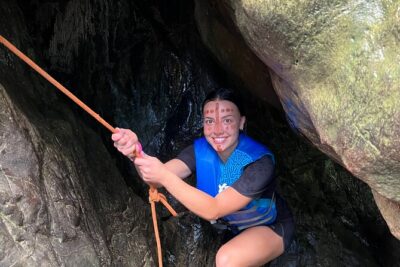
El Yunque Rainforest: Waterslides, Waterfalls and Rope Swing
Read our review →
Small Group Waterfall and Rainforest Hiking Adventure on Maui
Read our review →Samui Zipline FLY & Fun Tree Bridge Jungle Cafe & Waterfall
Read our review →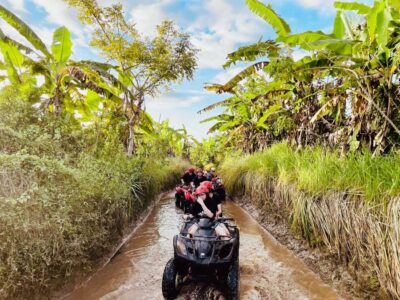
Ubud: Gorilla Face Quad Bike, Jungle Swing, Waterfall & Meal
Read our review →
Munduk: Twin Lake Jungle Hike, Ulun Danu Temple, & Waterfall
Read our review →
Waterfall & Rainforest Hiking Adventure with Hotel Pickup
Read our review →