
REVIEW · BAN GIOC WATERFALL TOURS
2 Days Motorbike Tour Ban Gioc Waterfall & Mt. Angel Eye Hike
Cao Bang’s best sights are scattered across northern Vietnam, and this two-day motorbike tour links them with mountain roads, short hikes, a homestay, and village visits. You’ll see Ban Gioc Waterfall, Nguom Ngao Cave, and Angel Eye Mountain, but the quieter moments often matter just as much: buffalo in the fields, smoke from a forge, and incense drying along a village road.
I like the strong mix of big natural sights and ordinary local life. I also like the practical setup: motorbikes, fuel, safety gear, meals, luggage storage, and an English-speaking guide are included. The main caution is the pace. Two days covers a lot of ground, and the route suits you best if you have moderate fitness and are comfortable spending long stretches on a motorbike.
Key points to know before you book
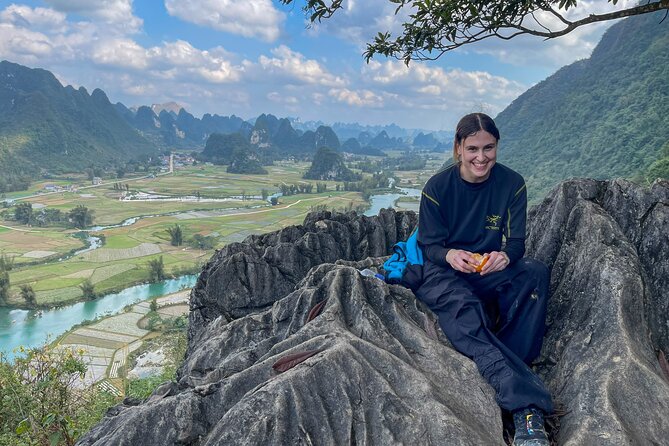
- Angel Eye Mountain begins the trip with a hike: The 50-meter opening in Núi Thủng sits among the Thang Hen lakes and broad countryside.
- Ban Gioc Waterfall is the headline stop: A raft takes you close to the water shared by Vietnam and China.
- The route includes real village life: Phuc Sen’s metalworkers, Dia Tren’s papermakers, and Phia Thap’s incense makers still use traditional methods.
- You sleep at a local homestay: Dinner and breakfast are included, while a private room costs an extra $10 per day.
- The tour is small but not private by default: The maximum group size is 10 people, with a private car option for an added $45.
- The value is strong at $155: You get two days of guiding, fuel, gear, meals, accommodation, and major admissions in one price.
Why this Cao Bang route works so well
Cao Bang is not a place to rush between isolated viewpoints. The roads wind through limestone mountains, farm valleys, and small communities. A motorbike makes sense here because it lets you stop for a view, take a short hike, or pass through a village without spending the whole day inside a car.
You begin at Green Riders House in Cao Bang at 7:30 a.m. The short stop there gives you time to sort out your helmet, knee and elbow pads, paperwork, and basic rain gear. The group leaves at about 8 a.m.
You can ride your own motorbike if arranged with the operator, or pay $20 extra per person for an easy rider. The easy rider choice is worth considering if you lack riding experience, do not want to manage mountain roads, or simply want to watch the scenery. The tour includes fuel and a three-quarter helmet with a visor.
The guide is part of the value. Quan receives repeated praise for his English, humor, local knowledge, and habit of taking photos. Other names connected with the trips include Thai, Linh, Quol, and Binh. The exact guide and driver will depend on the departure, but the setup is clearly personal rather than a large coach excursion.
More Waterfall Hikes in Vietnam
- Trekking Ban Gioc Waterfall to Hidden Village on Unique Route
★ 5.0 · 9 reviews - From Sapa: Waterfalls, Trekking and Tribal Villages Tour
★ 4.6 · 91 reviews - Trekking Tour to Hidden Waterfall & Sturgeon Farm for dog-lovers
★ 5.0 · 67 reviews
Angel Eye Mountain and the Thang Hen valley
The first major stop is Núi Mắt Thần, commonly called Angel Eye Mountain. Its Vietnamese name, Núi Thủng, refers to the opening that passes through the mountain. The hole is about 50 meters wide and sits around 50 meters above the ground.
The mountain rises from a valley in the Non Nước Cao Bằng UNESCO Global Geopark. That setting is as important as the rock itself. In the dry season, you can expect broad grassland and open views. In the rainy season, the Thang Hen lake system becomes greener and fuller.
The plan allows about three hours here, including the walk or drive into the valley and the hike toward the opening. That gives you more than a quick photo stop. You can look at the mountain from below, walk through the valley, and enjoy the quiet setting.
Weather matters. If rain has affected the road or hiking conditions, the route may change. During the rainy season, a boat ride to the hike’s starting point can cost $7 for two people. That charge is not included, so carry some cash if you are visiting at that time.
This is a moderate outdoor day rather than a difficult climbing trip. Still, wear shoes with a good grip and bring a layer for changing conditions. The tour requires a moderate fitness level, and the hike is only one part of a full day on the road.
Phong Nam and Ngoc Con, where the quiet scenery begins
After Angel Eye Mountain, the group reaches Trung Khanh for lunch at about 11 a.m. From there, the route passes through Phong Nam Valley and nearby villages.
This section gives the trip its sense of place. You may see farmers working in fields, buffalo grazing, limestone peaks beyond the villages, and roads that feel far removed from the main tourist routes. The guide can help explain what you are seeing, but the scenery also works without a running commentary.
The ride continues toward Ngoc Con, followed by a hike to a viewpoint. From above, you look across rice fields, minority villages, mountains, and a calm river. This is a good reason to choose a motorbike trip instead of a simple waterfall transfer. The journey itself is part of the attraction.
There is a tradeoff. The schedule gives this section about four hours, including lunch, riding, and the hike. You will see a lot, but you should not expect a long, slow walk through every village. If you want a relaxed photography trip with lots of time in one place, a private version may suit you better.
Truc Lam Temple and the first night at a homestay
Around 4:30 p.m., the group visits Truc Lam Buddhist Temple on Phia Nham Mountain. From the temple, you can look over the valley, Ban Gioc Waterfall, and the nearby Chinese border.
The timing is useful because the temple follows a full day of riding and walking, yet it adds another broad viewpoint without requiring a major hike. Afterward, you head to the homestay at about 5 p.m. Dinner is included, and you spend the night there.
The homestay is a key part of the trip’s character. You are not returning to a city hotel after seeing the sights. Instead, you stay in the mountain region and share a meal in a more local setting. The food receives especially strong praise, with generous portions appearing often in the trip feedback.
Comfort is simple. In January, nights can be cold, and the homestay may have little insulation. Pack warm layers, even if the daytime forecast looks pleasant. A private room costs an extra $10 per day, but the standard arrangement may be a dorm-style or shared room.
The operator also offers a free dorm bed at Green Riders House for people arriving on a night bus between 4 and 8 a.m. That is useful if you want to start the tour without paying for a separate early-morning room.
More Ban Gioc Waterfall Tours in Cao Bang:
- Full Day Tour In Cao Bang Ban Gioc Waterfall Angel Eye Moutain
★ 5.0 · 99 reviews - Ban Gioc Waterfall – Angel Mountain By Car Small Group
★ 5.0 · 97 reviews - Cao Bang: Ban Gioc Waterfall Full-Day With Local Guide
★ 5.0 · 52 reviews - 2 Days Camping Tour in Angel Eye Mountain and Ban Gioc Waterfall
★ 5.0 · 52 reviews
Nguom Ngao Cave, a cool morning underground
Day two begins with breakfast before the ride to Nguom Ngao Cave, also called Tiger Cave. The name comes from the Tay language.
The cave contains several limestone chambers, corridors, stairs, and floors. Its formations are described in familiar but striking shapes, including a coral reef, ship, waterfall, overturned lotus flower, and terraced field. You get about two hours here, with admission included.
This stop gives the second day a different feel. After the open valleys and exposed roads of day one, the cave is cool, shaded, and enclosed. Good walking shoes will help on the stairs and uneven surfaces.
You should also remember that cave visits are not just quick photo stops. The two-hour allocation allows time to walk through the chambers, but the group still has to reach Ban Gioc Waterfall and the craft villages later that day. Keep your belongings secure and follow the guide’s timing.
Ban Gioc Waterfall and the border scenery
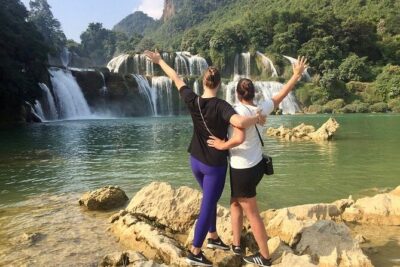
At about 10 a.m., you reach Ban Gioc Waterfall, the famous transnational waterfall shared by Vietnam and China. The main visit lasts around an hour, and a raft takes you close to the falling water.
This is the tour’s most recognizable sight, so it can be busier and more planned than the valley stops. The raft changes the view. Instead of looking at the falls from land, you get a closer sense of the force and width of the water.
Water levels and weather affect the view. The rainy season can bring fuller water and greener surroundings, while drier conditions may offer clearer paths and more manageable riding. The tour requires good weather, and a poor-weather cancellation can be moved to another date or refunded in full.
The waterfall sits near the international border, which gives the stop an added sense of geography. You are not just visiting a pretty cascade. You are seeing a natural feature that belongs to two countries and forms part of the character of northern Cao Bang.
Phuc Sen, where steel is shaped by hand
After lunch in Trung Khanh, the route turns toward Phuc Sen forging village. This is one of the tour’s most useful cultural stops because you see a working craft rather than a staged performance.
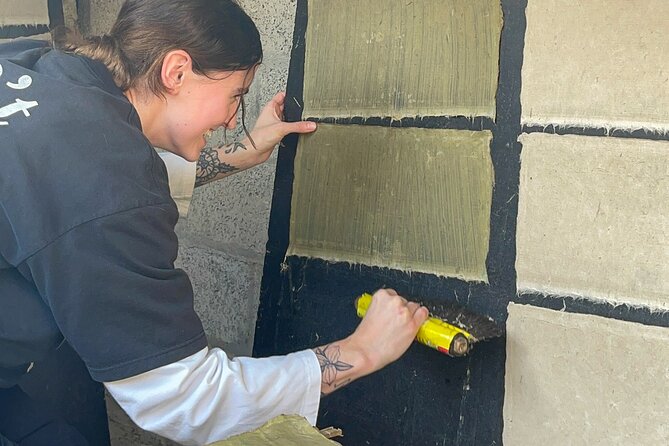
Local artisans make knives, scissors, hoes, sickles, and other tools. They select raw materials, heat and forge steel, and rely on techniques passed down through long practice. Recycled materials are also used.
The sound is part of the visit. You hear workers beating and hammering steel as they shape the tools. You may also have a chance to watch the process closely and buy a handmade item.
This stop helps explain why a guided route is worthwhile. Without local context, a small workshop can look like just another roadside stop. With an explanation of the work and its place in village life, you understand the time and skill behind an ordinary knife or farm tool.
Dia Tren paper and Phia Thap incense
The next village, Dia Tren, has 65 households involved in traditional papermaking within the Nung An community. The paper is made from the bark of May Sla through a series of manual steps.
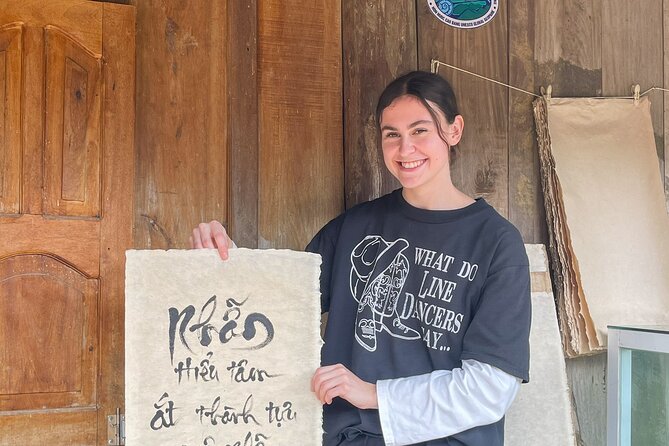
If the timing is right, you can see part of the production process and hear how the tradition has been preserved. Small purchases include fans, notebooks, and sheets for writing, drawing, or calligraphy.
This is a modest stop, planned for about an hour, but it fits the trip’s larger idea: local culture is found in working homes and small workshops, not only museums. The paper also makes a light souvenir that is easier to carry than a large handicraft.
At Phia Thap, Nung An families make incense from natural materials. On sunny days, sticks are laid out along the roads to dry. That simple scene can be more memorable than a formal attraction because it shows how the craft fits into daily life.
Incense has an important role in Vietnamese life, so the visit gives you cultural context as well as a chance to buy something. You may also have tea with a local family, depending on the day and the village arrangements.
After Phia Thap, you continue to Cao Bang City. The listed timing allows about two hours for this final section, and the tour ends back at the Green Riders House meeting point.
What the $155 price really covers
At $155 per person, this is not the cheapest way to see one waterfall. It is a fair price for a two-day guided route because the package includes:
- Motorbike and fuel
- English-speaking guide
- Breakfast and dinner
- Two lunches
- Bottled water
- Homestay accommodation
- Major admission fees
- Helmet, knee and elbow protection, and basic rain gear
- Travel insurance up to VND 30,000,000 per case
- Excess luggage storage
You are also paying for route planning and local access. The three main nature stops could be visited separately, but arranging the roads, meals, village visits, and overnight stay would take time and local contacts.
The extras are clear. An easy rider costs $20 per person, a private car costs $45, and a private room costs $10 per day. The rainy-season boat to the hike’s starting point costs $7 for two people. Alcohol is not included when it is supplied by a third party such as the homestay, and tips are optional.
For a solo visitor, the group format keeps the price reasonable. For a couple or small group, paying for a private car may make sense if you want more space and control over stops. The maximum group size is 10, so you should expect company but not a large bus group.
Who should book this two-day tour
You should consider it if you want to combine Cao Bang’s major sights with real village contact, and if you like moving through the countryside rather than staying in one base. It suits people who enjoy short hikes, simple homestays, local meals, and long stretches of scenic riding.
The easy rider option makes the tour accessible to people who do not want to drive. It also lets you focus on the views and conversation with the guide. If you prefer a fully private, slower trip, choose the private car option and ask about the day’s timing before booking.
This is not the best pick if you need a luxury hotel, dislike changing weather, or want a leisurely schedule with no early start. Day one begins at 7:30 a.m., and both days combine riding with walking. Winter nights at the homestay can be cold, so pack accordingly.
The tour is also a good follow-up to the Ha Giang Loop. The scenery is different, and the pace can feel more personal, with craft villages and family meals added to the route.
Practical details that affect your decision
The meeting point is Green Riders House at 35 Tổ 23, Nà Cạn, Cao Bằng. Pickup is offered from your hotel or homestay, and the tour ends back at the meeting point.
Book at least two days ahead if you want an English-speaking guide. Confirmation is provided when you book, and the average booking time is about 36 days before departure, so popular dates may fill early.
You can cancel for a full refund up to 24 hours before the start time. Changes or cancellations inside that window are not accepted for a refund. Since the tour depends on good weather, a weather cancellation gives you the choice of another date or a full refund.
Should you book it?
Book this tour if you want the full Cao Bang picture in two days: dramatic water, strange limestone formations, mountain roads, a homestay, and working craft villages. The strongest part is the balance between famous sights and ordinary rural life.
Choose the easy rider if you have any doubt about driving. Bring warm layers, practical shoes, a small day bag, and patience for a busy schedule. If you want comfort and flexibility, add the private room or private car.
For most people spending only a short time in Cao Bang, the $155 price buys a lot: transport, local guidance, food, gear, admissions, and access to places that are not easy to connect alone. It is an active trip, not a soft sightseeing tour, but that is exactly why it makes a memorable introduction to northern Vietnam.
FAQ
Where does the tour start and finish?
The tour starts at Green Riders House, 35 Tổ 23, Nà Cạn, Cao Bằng. Pickup is offered from your hotel or homestay, and the activity ends back at the meeting point.
Is an English-speaking guide included?
Yes. An English-speaking guide is included when you book at least two days in advance. Guides associated with these trips include Quan, Thai, Linh, Quol, and Binh.
Can I book an easy rider instead of driving?
Yes. An easy rider is available for an additional $20 per person.
What meals and accommodation are included?
The price includes breakfast, dinner, two lunches, and one night at a homestay. A private room costs an additional $10 per day.
Are the cave, waterfall, and mountain admissions included?
Admission to Angel Eye Mountain, Nguom Ngao Cave, and Ban Gioc Waterfall is included. A rainy-season boat ride to the hiking starting point costs $7 for two people.
How large is the group?
The tour has a maximum of 10 people. A private car option is available for an additional $45.
What happens if bad weather cancels the tour?
If poor weather causes a cancellation, you can choose a different date or receive a full refund. For a normal cancellation, you must cancel at least 24 hours before the start time for a full refund.
More Two-Day Trips in Cao Bang
- Ban Gioc Waterfall 2 days From Hanoi with Local on Scenic Route
★ 5.0 · 15 reviews - Angel Mountain Ban Gioc Waterfalls Camping Experience 2D1N
★ 5.0 · 9 reviews - From NYC: Niagara Falls with Outlet Shopping, 2-Day Tour
★ 4.6 · 1,042 reviews - Niagara Falls with Outlet Shopping, 2-Day Tour from NYC
★ 4.5 · 992 reviews
More Waterfall Hikes in Cao Bang
- From Marrakech: Ouzoud Waterfalls Guided Hike and Boat Trip
★ 4.7 · 33,630 reviews - Marrakech: Ourika Valley Trip with Waterfall Hike
★ 4.6 · 6,792 reviews - Marrakech: Ourika Valley Trip with Waterfall Hike & Lunch
★ 4.9 · 5,303 reviews - Marrakech: ourika valley lunch & guided hike to waterfalls
★ 4.9 · 3,737 reviews
Just added around Cao Bang
- Trekking Ban Gioc Waterfall to Hidden Village on Unique Route★ 5.0 · 9 reviews
- Ban Gioc Waterfall 2 days From Hanoi with Local on Scenic Route★ 5.0 · 15 reviews
- Angel Mountain Ban Gioc Waterfalls Camping Experience 2D1N★ 5.0 · 9 reviews
- Ban Gioc Waterfall & Mt Angel Eye Full Day Trip with Easy Rider★ 5.0 · 51 reviews
- Cao Bang: Ban Gioc Waterfall Full 1 Day Tour with Local Guide★ 5.0 · 10 reviews
- 3 days: Ban Gioc waterfall – Ba Be Lake with Local Guide★ 5.0 · 9 reviews
- Full Day Motorbike Cao Bang Loop Tour to Ban Gioc Waterfalls★ 5.0 · 19 reviews
- Ban Gioc Waterfall – Nguom Ngao Cave full day – BEST SELLING★ 5.0 · 10 reviews
Ban Gioc Waterfall Tours, compared.
Adventure Tour to Ban Gioc Waterfall – Ba Be Lake 3 days 2 nights
Read our review →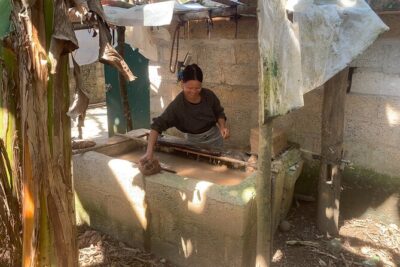
From Hanoi: Ban Gioc Waterfalls – Authentic Experience 2d/2n
Read our review →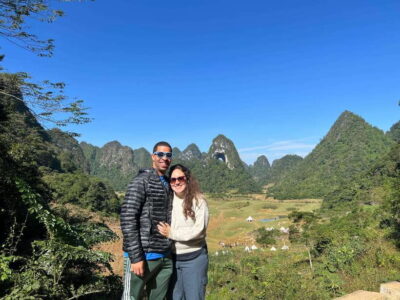
From Hanoi: Ban Gioc Waterfall & Angel Mountain 2-Day Tour
Read our review →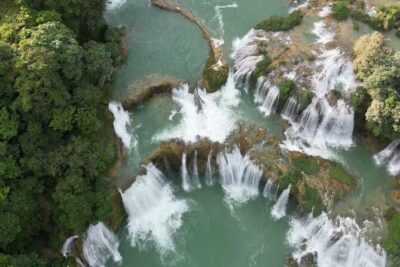
Full Day Tour In Cao Bang Ban Gioc Waterfall Angel Eye Moutain
Read our review →
Ban Gioc Waterfall – Angel Mountain By Car Small Group
Read our review →
From Hanoi: Ban Gioc Waterfall – Local Villages 2nights/1day
Read our review →
2 Days Camping Tour in Angel Eye Mountain and Ban Gioc Waterfall
Read our review →Browse the lists this tour appears in