
REVIEW · JAPAN
From Osaka/Kyoto:Mount Koya, Wakayama & Nachi Waterfall Trip
Mount Koya gives this long day its strongest sense of place. You move from Wakayama Castle and samurai history to Shingon temples, then along the lantern-lit paths of Okunoin, Japan’s largest cemetery. The Nachi option adds a remarkable waterfall and shrine setting, but it also makes an already full day even more demanding.
I like the small group of up to six, since it gives your guide room to adjust photo stops, walking breaks, and the pace. I also like the choice between two routes, especially if Nachi Waterfall is high on your Japan list. The main drawback is time: 12 hours on the road, with stairs and a moderate amount of walking.
Key points to know
- Mount Koya brings the spiritual focus: Visit Kongobuji Temple, the Mount Koya Museum, and Okunoin Cemetery.
- Wakayama Castle adds variety: The 16th-century castle offers views, samurai exhibits, and stair climbing.
- The Nachi route is a very long day: You’ll see Japan’s tallest single-tier waterfall, but the route requires stamina.
- Small groups allow flexibility: Guides such as Faizan, Rana, Muhammad Ahmad, Tahir, and Hamza have adjusted timing for photos and breaks.
- The price works best for a full group: At $910 for up to six people, the per-person cost drops sharply when shared.
- Check two conflicting details before booking: The information says both that lunch is included and that lunch is not included. It also gives conflicting notes about wheelchair suitability.
Why Mount Koya and Wakayama make an unusual day trip
This is not a simple city sightseeing outing. It links several parts of the Kansai region that feel very different from one another: a castle in Wakayama, the mountain temples of Koya, a cemetery filled with religious monuments, and, on one route, the forested setting of Nachi Waterfall.
That variety is the main reason to consider the tour. You are not spending the whole day at one temple complex. Instead, you get architecture, Buddhist practice, local history, coastal scenery, and a major waterfall in one organized trip.
The trade-off is obvious. These places are spread across a wide area, so the day includes substantial driving. You’ll see a lot, but you will not have the slow, unhurried feel of a multi-day stay on Mount Koya or in the Kii Peninsula.
The tour picks you up in Osaka, Kyoto, or Nara and returns you to one of those three locations. A professional English-speaking guide travels with your group by coach. Since the group is capped at six, you should have more say in the pace than on a large bus tour.
A few more waterfall trips around Japan worth a look
- Nikko: Kegon Falls, Lake Chuzenji & Toshogu Temple
★ 4.6 · 1,577 reviews - Tokyo: Nikko Toshogu Shrine and Kegon Waterfall Tour
★ 4.5 · 1,266 reviews - Nikko, Kegon Waterfall & Chuzenji Lake from Tokyo
★ 5.0 · 1,240 reviews
Wakayama Castle starts the day with views and stairs
On the first itinerary, the day begins at Wakayama Castle. The castle dates from the 16th century and gives you a useful introduction to the region before the focus shifts to Buddhism.
Inside, you can see exhibits connected with samurai history and artifacts. The castle also provides broad views, but reaching the best areas involves stairs. If you are not used to a lot of walking, start slowly here. The later temple and waterfall stops also require energy.
I like this opening because it prevents the day from becoming a single-theme religious tour. You get a glimpse of feudal Japan before moving into the world of Shingon Buddhism. The drawback is that the castle may feel rushed if your group chooses the Nachi Waterfall route, since that version has even more ground to cover.
Comfortable shoes are essential. Bring water, a hat, sunscreen, and clothing suited to the forecast. A camera is welcome, but flash photography is not allowed inside temples.
Kongobuji Temple explains Mount Koya’s spiritual center
Kongobuji Temple is the main temple of Shingon Buddhism and one of the central stops on both versions of the day. Its traditional architecture, calm halls, and rock garden give you a chance to see how religious spaces are designed for quiet attention rather than quick spectacle.
Your guide can provide context before you explore. The value here is not only the building itself. It is the chance to connect Mount Koya with the practices and beliefs of the Shingon sect.
I would give this stop enough time to slow down. Look closely at the halls and garden instead of treating the temple as a quick photo stop. Flash photography is not permitted inside, so plan to enjoy the details with your eyes rather than relying on your camera.
The temple setting is peaceful, but the schedule can be tight. If you want extended time for meditation, careful photography, or a long look at every room, a private overnight stay on Mount Koya would suit you better than this one-day circuit.
The Mount Koya Museum adds context to the temples
The Mount Koya Museum focuses on the history and art of Shingon Buddhism. This is a useful stop because it can make the temple visits easier to understand. Instead of seeing religious objects and architecture without much context, you can connect them with the wider tradition.
The museum is particularly helpful if this is your first introduction to Shingon Buddhism. It gives the day more substance than a simple temple photo tour. You are not just collecting scenic stops. You are also learning why Mount Koya matters.
The information provided does not specify how long you spend inside the museum, so your exact visit will depend on the guide and the selected schedule. On a day that also includes Nachi Waterfall, expect the pace to be brisk.
Same stretch of river, a different day out:
- Osaka: Minoh, Katsuoji Temple, & Minoh Falls Full-day Tour
★ 4.9 · 172 reviews - Osaka: Minoh Waterfall & Katsuo-ji Temple Half-Day Tour
★ 4.7 · 27 reviews - Tokyo: Nikko Day Tour Shrines, Lake Chūzenji & Kegon Falls
★ 4.9 · 26 reviews - Osaka: Mino Forest Walk and Giant Waterfall with Local Lunch
★ 5.0 · 22 reviews
Okunoin Cemetery is the most atmospheric stop
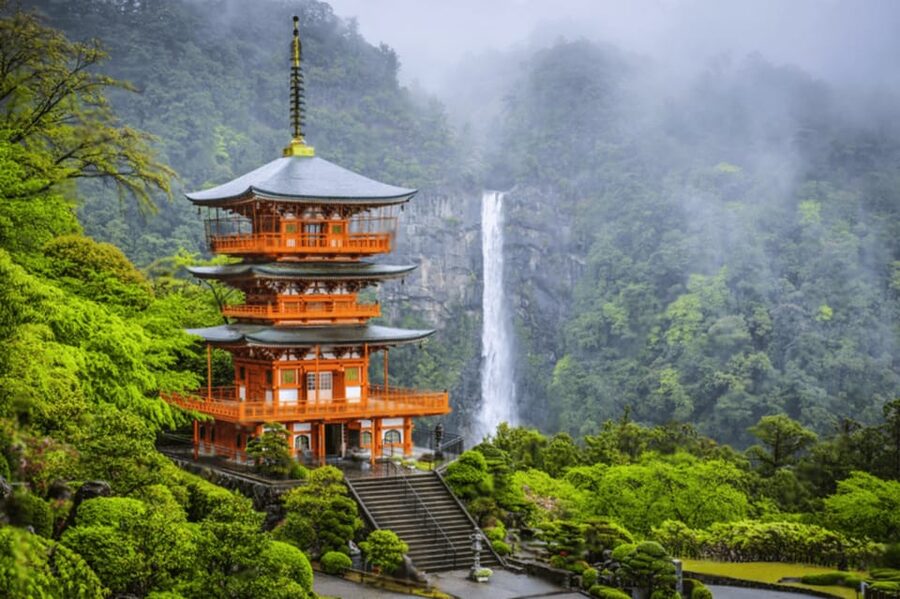
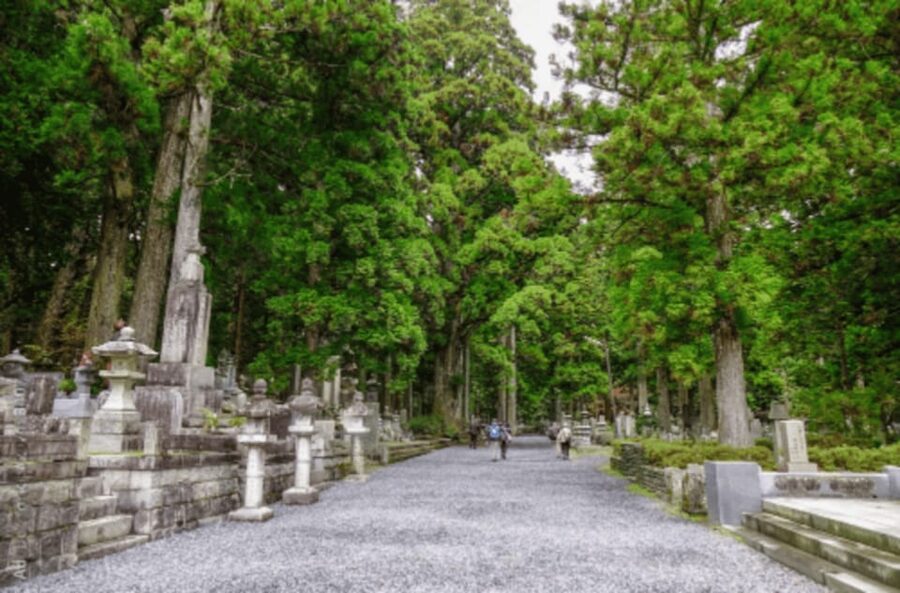
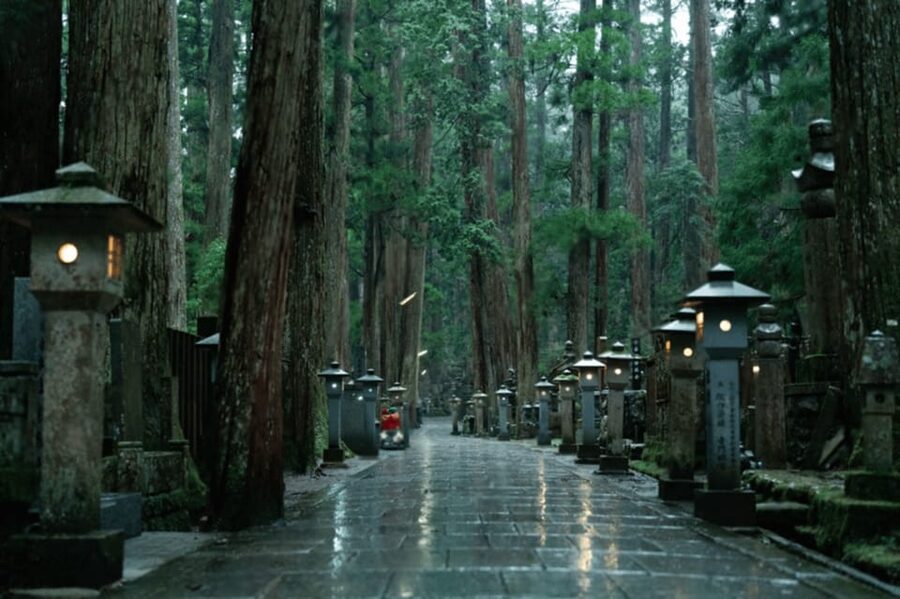
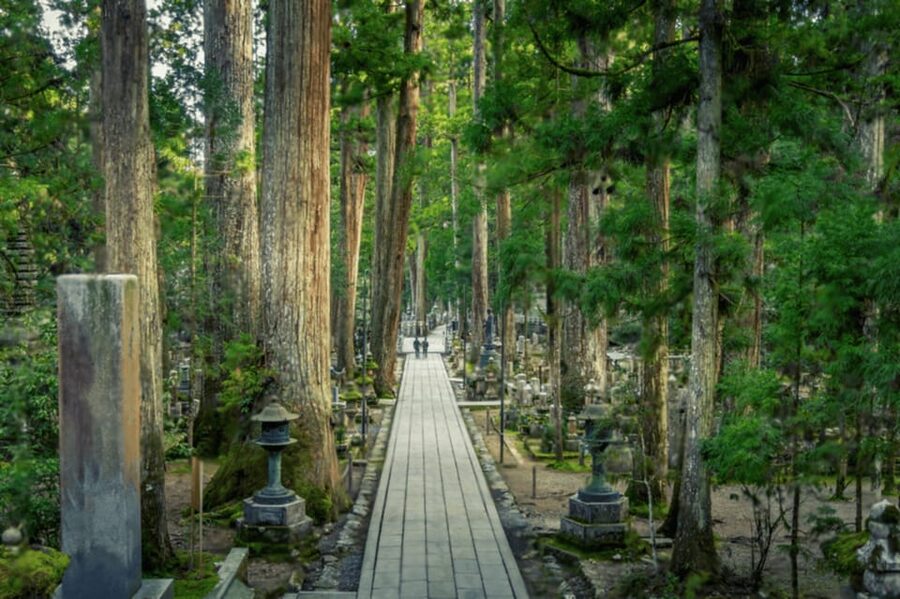
Okunoin Cemetery is Japan’s largest cemetery, and its paths are lined with stone markers, old monuments, and lanterns. This is where the Mount Koya visit gains its strongest mood. The setting is quiet and wooded, and the long walk gives you time to absorb the religious character of the mountain.
The cemetery honors historical figures and monks. You should approach it as a sacred place, not simply as a scenic walking route. Keep your voice low, follow your guide’s instructions, and be respectful with photography.
I would consider Okunoin the highlight for anyone interested in Japanese religious culture. The lantern-lit paths and centuries-old markers offer a sense of continuity that you will not get from a quick look at a modern attraction.
It is also one of the stops that makes comfortable footwear important. The route involves walking, and the overall day includes stairs at the castle and waterfall area. People with mobility limitations should read the suitability details carefully and confirm arrangements before paying.
The 176-year-old Mount Koya market offers a local pause
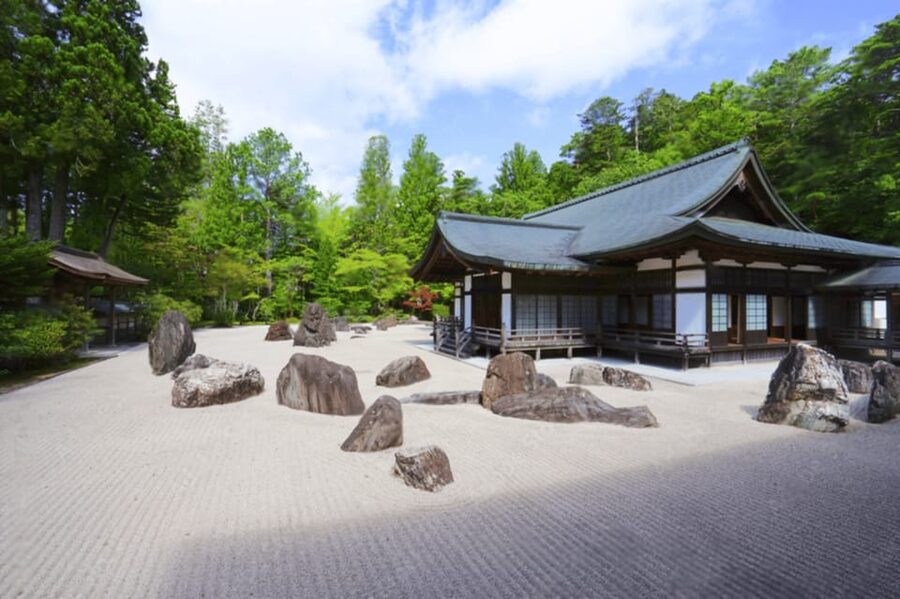
The Nachi Waterfall route includes a visit to a 176-year-old market in Mount Koya. It is described as a place for traditional crafts and local specialties, giving you a different view of the mountain community beyond its temples.
This stop can help break up the religious sightseeing. You may find it useful for browsing local goods or picking up something connected with the area. The available information does not list specific products, so you should not book this part expecting a particular souvenir or tasting.
The market is included on the Nachi version rather than the first route as described. If local crafts matter more to you than Wakayama Castle, compare the two schedules carefully before choosing.
Sandanbeki Cave adds a rugged coastal finish
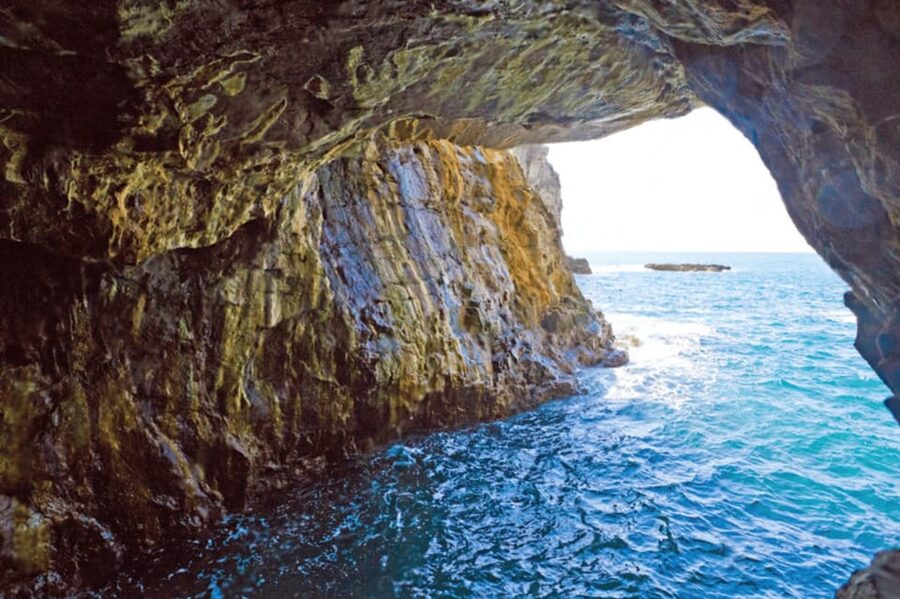
The first itinerary ends at Sandanbeki Cave, a dramatic coastal cave surrounded by cliffs. It is linked with a story about pirates using it as a hideout, which gives the stop a different character from the mountain temples.
This is a good choice if you want a route that combines culture with coastal scenery. The cliffs and cave add some visual drama after a day of castle and temple interiors.
The information supplied does not specify the exact time spent at Sandanbeki Cave or the walking conditions there. You should still expect uneven or tiring walking in a coastal setting and keep your shoes practical.
Nachi Waterfall brings nature and spirituality together
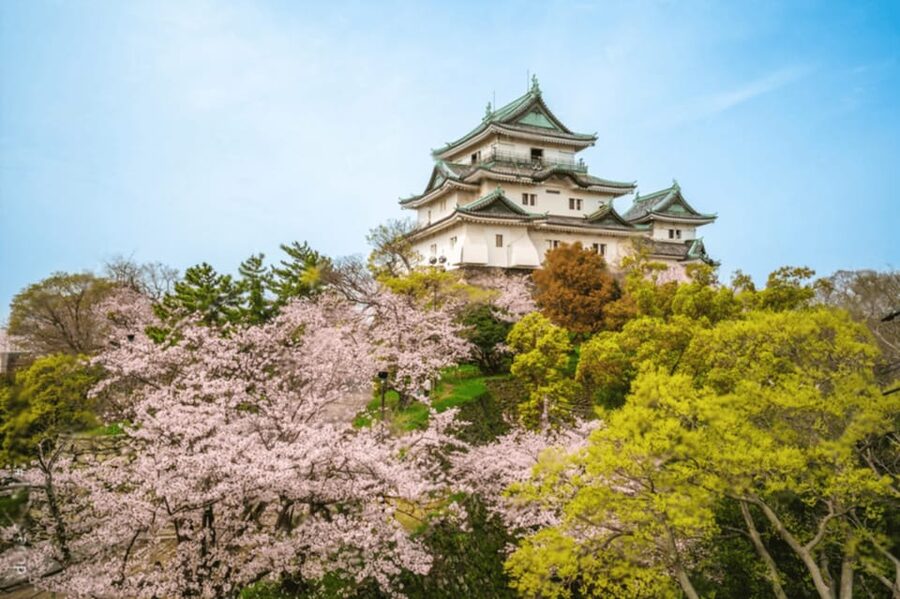
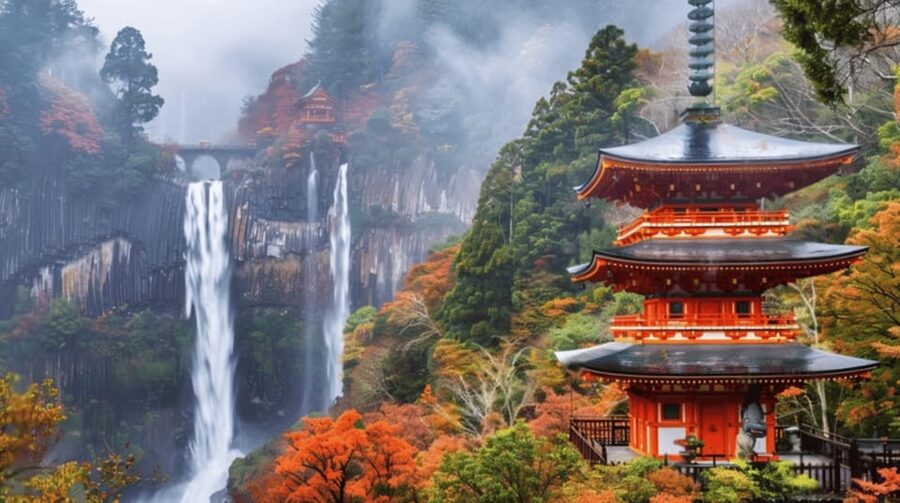
The second route ends at Nachi Waterfall, described as Japan’s tallest single-tier waterfall. It is surrounded by dense forest and the Nachi Taisha Shrine, making the stop feel both natural and sacred.
The waterfall is the clear reason to choose this version. You get the powerful sight of falling water with a shrine setting nearby, rather than seeing a waterfall as an isolated nature stop. The combination is especially striking in wet weather. Muhammad Ahmad guided one group through heavy rain, when the waterfall appeared particularly dramatic.
You should be ready for stairs and a fair amount of walking around the shrine and viewing areas. One group described the route as a test of fitness, but also felt the effort was worthwhile. That is a fair warning: this is not a gentle sightseeing day.
The supplied information notes that Nachi Falls was closed for restoration until January 5, 2025, with the alternative route focusing on Mount Koya and Wakayama. Since that date has passed, check the current operating status when you book. Do not assume the waterfall portion is available without confirmation.
How the guides shape the experience
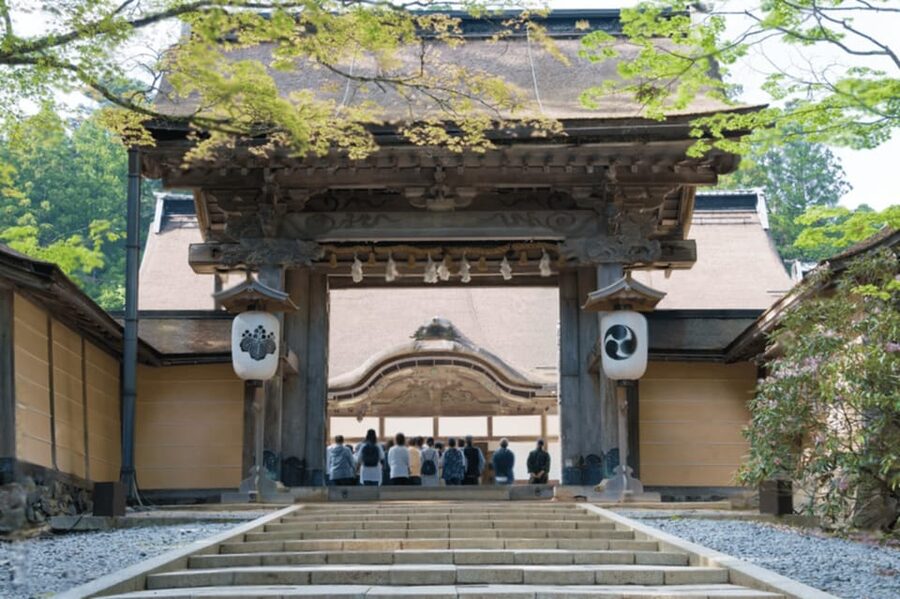
The guide is important here because the tour is advertised as customizable. Faizan adjusted the schedule for a last-minute booking and allowed extra time for photographs at Nachi Waterfall, with additional coastal photo stops. Rana is described as offering a fully customized day and helping with comfort and photographs.
Tahir kept one group informed about the next stop and checked when breaks were needed. Hamza guided a family around Koyasan, while Muhammad Ahmad provided information about the surrounding area, temples, and shrines during difficult rainy weather.
These details suggest that the strongest part of the service is flexibility. Still, your experience depends on the guide assigned to your date. The tour is in English, and the listed guides have different names, so you may want to ask who is scheduled if that matters to you.
The small group format should make requests easier than on a large coach excursion. You can ask for a short pause, more time for a photograph, or a clearer explanation. That does not remove the limits of a 12-hour itinerary, but it gives the day a more personal feel.
Is $910 good value for up to six people?
The price is $910 per group of up to six, not $910 per person. Shared by six, that works out to roughly $152 per person. Shared by four, it is about $228 each, and for two people it becomes $455 per person.
That makes the tour most attractive for families or friend groups. Hotel pickup and drop-off, transport, a professional guide, some entrance fees, and tips are included. You also avoid arranging a long day across several areas yourself.
For a solo visitor or a couple, the price is harder to justify unless the convenience and private small-group format are especially important. You are paying for a full day of transport and planning, not just admission to one attraction.
Lunch needs clarification. One section says lunch is not included, while another says lunch is included and asks you to communicate dietary restrictions in advance. Vegetarian options are mentioned. Contact the provider before booking so you know if lunch is covered and can explain any food needs.
Who should choose this tour?
I would recommend it to you if you want to see Mount Koya but have only one day, especially if you are traveling with a group that can share the $910 cost. It also suits visitors who prefer a guide and vehicle rather than piecing together long train and local transport connections.
The Nachi option fits people who consider the waterfall a priority and are comfortable with a demanding day. The Wakayama and Mount Koya option is better if you want a slightly more balanced mix of castle, temple, museum, cemetery, and coast.
This is not a good match if you need a relaxed pace, dislike long drives, or cannot manage stairs and moderate walking. The information also says it is not suitable for children under six, pregnant women, or people with mobility impairments.
There is a conflict in the accessibility information. The activity is marked wheelchair accessible in one place, but another section says it is not suitable for wheelchair users. Confirm the exact vehicle, paths, stairs, and restroom arrangements directly before booking.
Practical advice for making the day work
Wear sturdy, comfortable walking shoes. Bring water, sunscreen, a hat, and a camera, and check the weather before leaving. Rain may make the waterfall more forceful, but it can also make stairs and paths more difficult.
Do not plan a packed evening after the tour. The stated duration is 12 hours, and traffic or weather may affect the return time. Hotel pickup and drop-off from Osaka, Kyoto, or Nara is convenient, but the broad pickup area also reflects how much driving the day involves.
Smoking is not allowed, and flash photography is forbidden inside temples. Keep the day flexible, since the guide may adjust timing for photos, breaks, weather, or road conditions.
Free cancellation is available up to 24 hours before departure, and you can reserve now and pay later. Those policies help if your Kansai plans are still changing, but they do not replace checking the waterfall opening and lunch arrangements.
Should you book this Mount Koya and Wakayama tour?
Book it if you have a group of up to six, want a guided day from Osaka, Kyoto, or Nara, and value variety over a slow pace. The strongest reasons are the small group, flexible guiding, Okunoin Cemetery, and the choice to finish at either Sandanbeki Cave or Nachi Waterfall.
Choose the Nachi route only if you are ready for a long day with stairs and plenty of walking. Choose the first route if you want more balance and less pressure to reach the distant waterfall.
Before confirming, ask two direct questions: Is lunch included on your date, and is the Nachi Waterfall stop open? If the answers are clear and your group can share the cost, this is a practical way to reach several difficult-to-link sites in one memorable day.
FAQ
How long does the tour last?
The tour lasts 12 hours. Starting times depend on availability.
Where can I be picked up?
Pickup is available from Osaka, Nara, or Kyoto.
Where can I be dropped off?
Drop-off is available in Nara, Kyoto, or Osaka.
How many people can join the group?
The tour is limited to six participants.
Is the tour conducted in English?
Yes. A live English-speaking guide is provided.
Can I choose between different routes?
Yes. One option visits Wakayama and Mount Koya without Nachi Waterfall. The other includes Mount Koya and ends at Nachi Waterfall.
Is lunch included?
The supplied information is inconsistent. One section says lunch is not included, while another says lunch is included and that vegetarian options are available. Confirm this with the provider before booking.
Is the tour suitable for wheelchair users?
The information is inconsistent here as well. One section marks the activity as wheelchair accessible, while another says it is not suitable for wheelchair users or people with mobility impairments. Confirm the exact accessibility arrangements before booking.
Just added around Japan
- Tokyo: Nikko Day Tour Shrines, Lake Chūzenji & Kegon Falls★ 4.9 · 26 reviews
- Tokyo: Spring Hitachi Seaside & Ashikaga Flower Park Tour★ 5.0 · 15 reviews
- Tokyo: Nikko Kegon Falls Lake Chuzenji Toshogu Temple & More★ 4.9 · 12 reviews
- Osaka: Minoh Waterfall & Katsuo-ji Temple Half-Day Tour★ 4.7 · 27 reviews
- Osaka: Mino Forest Walk and Giant Waterfall with Local Lunch★ 5.0 · 22 reviews
- Kobe: Guided Tour of Nunobiki Waterfalls and Herb Garden★ 5.0 · 11 reviews
- Get to know Minoo from Osaka. Katsuoji Temple, Ryuanji Waterfall and Ryuanji Temple★ 5.0 · 16 reviews
- From Tokyo: Nikko Customize private Tour With English Driver★ 4.9 · 11 reviews
Japan Waterfall Tours, compared.
Nikko: Kegon Falls, Lake Chuzenji & Toshogu Temple
Read our review →
Tokyo: Nikko Toshogu Shrine and Kegon Waterfall Tour
Read our review →
Nikko, Kegon Waterfall & Chuzenji Lake from Tokyo
Read our review →
Osaka: Minoh, Katsuoji Temple, & Minoh Falls Full-day Tour
Read our review →
Osaka: Minoh Waterfall & Katsuo-ji Temple Half-Day Tour
Read our review →
Tokyo: Nikko Day Tour Shrines, Lake Chūzenji & Kegon Falls
Read our review →
Osaka: Mino Forest Walk and Giant Waterfall with Local Lunch
Read our review →
Get to know Minoo from Osaka. Katsuoji Temple, Ryuanji Waterfall and Ryuanji Temple
Read our review →Browse the lists this tour appears in