
REVIEW · CHIANG MAI
Chiang Mai: Mae Ya Waterfall & Pha Dok Siew Trail Trek
Mae Ya Waterfall is the big finish, but the best part of this day may be the two-hour walk that leads through forest, hillside farms, and the rice terraces around Ban Mae Klang Luang. You get a useful mix of nature, village life, coffee, and waterfalls rather than spending the whole day beside a road.
I like the local hilltribe guide on the Pha Dok Siew Nature Trail, where you can learn about plants and trees instead of simply following a path. I also like the lunch and coffee stop in the White Karen village, which gives the day a human scale and a chance to see how the mountain farms fit into the setting.
The main drawback is the long driving day. At 570 minutes, or about nine and a half hours, you will spend a fair amount of time in the vehicle, and the $80 price is not the cheapest way to see waterfalls around Chiang Mai.
Key points to know before you book
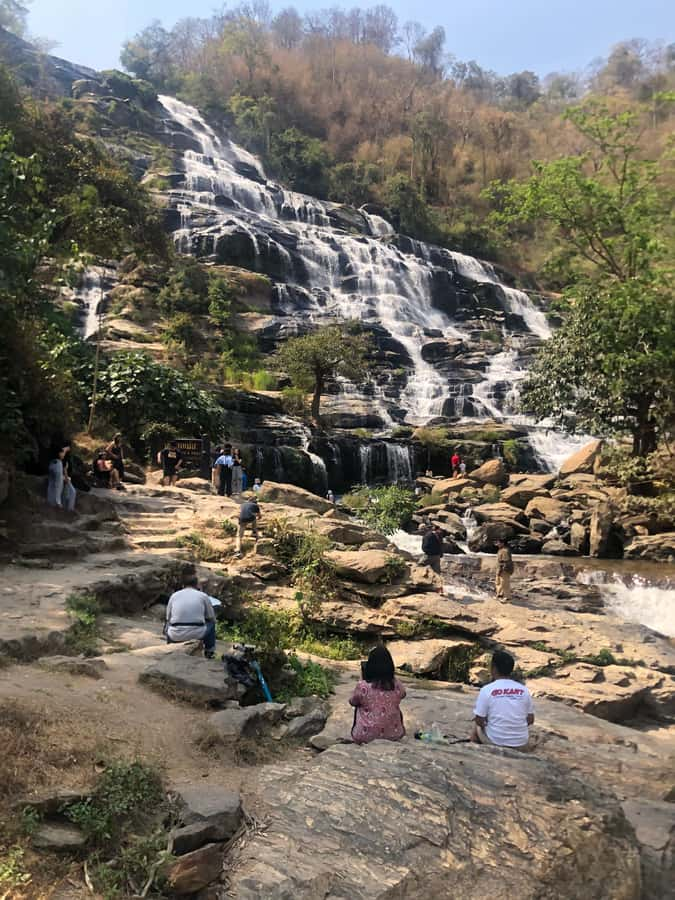
- Mae Ya is the grand finale: This 280-meter waterfall drops down a dramatic 30-storied cliff and is the most striking stop of the day.
- Pha Dok Siew takes about two hours: The walk passes through forest, small hillside farms, and seasonal rice fields, with a possible swim at Rak Jung Waterfall.
- Ban Mae Klang Luang adds real local contact: You finish the trek in a White Karen village, drink locally grown coffee, eat lunch, and walk around afterward.
- Wachirathan is an easy opening stop: It is beautiful and convenient, though it can feel more touristy than the forest walk.
- The guides matter here: Tom, also called Thomas in one account, Austin, and Phon Phon are praised for clear English, humor, patience, and useful explanations.
- This is an active, full-day outing: Bring long pants, insect repellent, a hat, a jacket, swimwear, a towel, and a change of clothes.
Three waterfalls, one forest walk, and a village lunch
This trip works because the stops feel different. Wachirathan gives you a quick waterfall visit near the start. Pha Dok Siew offers the real walking portion. Ban Mae Klang Luang adds coffee, lunch, rice fields, and village life. Mae Ya then provides the grand visual finish.
You leave Chiang Mai in an air-conditioned vehicle and drive for about an hour and a half to the Doi Inthanon area. The day is flexible, so the exact rhythm can depend on road conditions, weather, the size of your group, and how long you want to stay at each stop.
The tour is available as a private outing or a small group. That distinction matters. In a small group, the day may feel quite personal, while a private booking gives you more control over photo stops, walking speed, and time at the waterfalls.
More Waterfall Hikes in Chiang Mai
- Chiang Mai: 2-Days Jungle Trek, Waterfalls and Karen Village
★ 4.8 · 103 reviews - Chiang Mai 2-Day: Trekking, Tubing & Elephant Observation
★ 4.9 · 95 reviews - Chiang Mai ATV & White Water Rafting & Trekking to Waterfall
★ 4.7 · 84 reviews
Wachirathan Waterfall makes an easy first stop
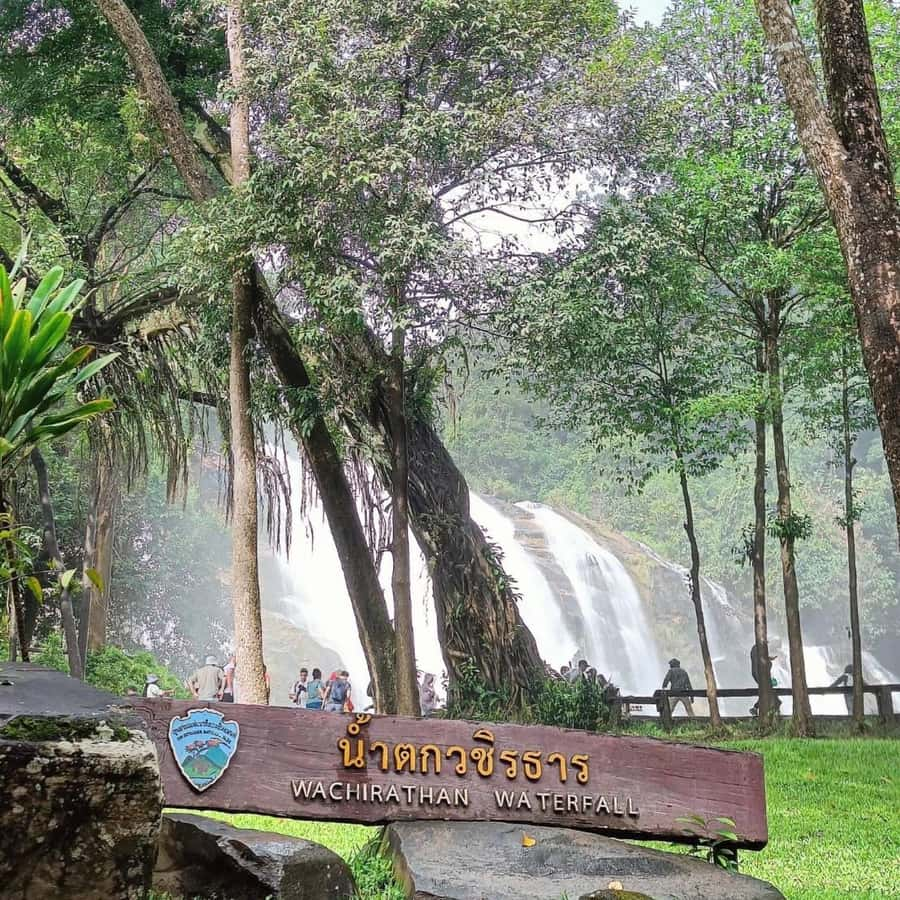
Wachirathan Waterfall is the first major stop. It is a good way to begin because you can see a large, powerful cascade without first tackling the trail.
This waterfall is also the more developed and popular stop of the day. One useful comparison is simple: Wachirathan gives you quick visual impact and an easier visit, while Pha Dok Siew gives you a slower, more natural walk. If you prefer quiet places, do not expect the first waterfall to feel secluded.
Your guide can help you make the most of the stop, especially if you want photographs or need to know how much time remains for the trail. Since this is a long day, I would avoid lingering too long here unless the water and setting are your main reason for booking.
Pha Dok Siew is the heart of the day
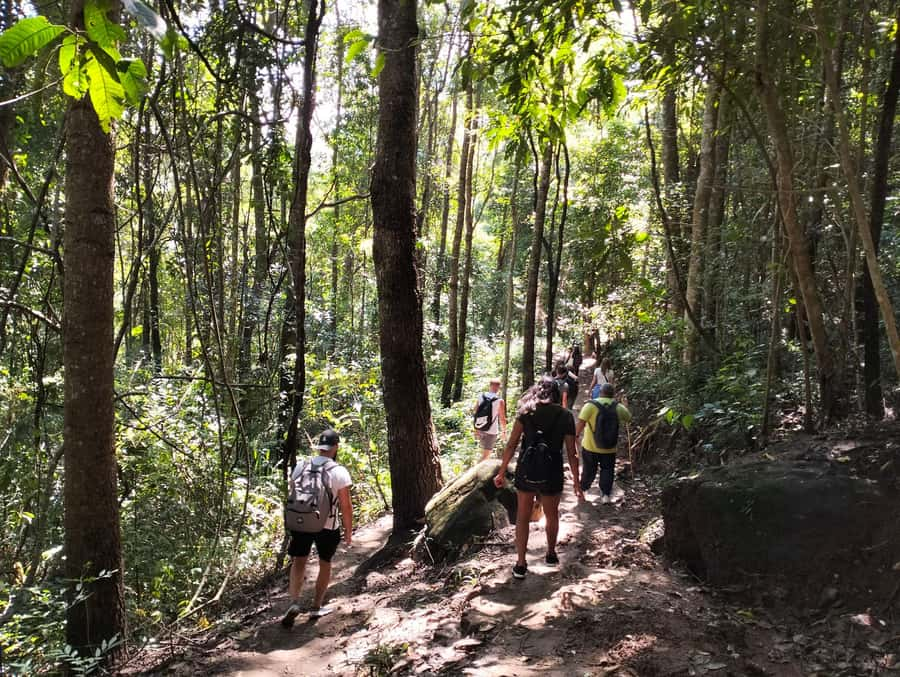
The Pha Dok Siew Nature Trail is the most rewarding part for anyone who enjoys walking. The trek lasts about two hours and is described as manageable rather than extreme. One account specifically found it suitable even for children, though you should still expect uneven ground, forest paths, and a steady amount of walking.
A local hilltribe guide leads this part of the trip. That is valuable because the trail is not only about scenery. You can learn about different plants and trees, see small farms on the hillside, and understand how people use the mountain environment.
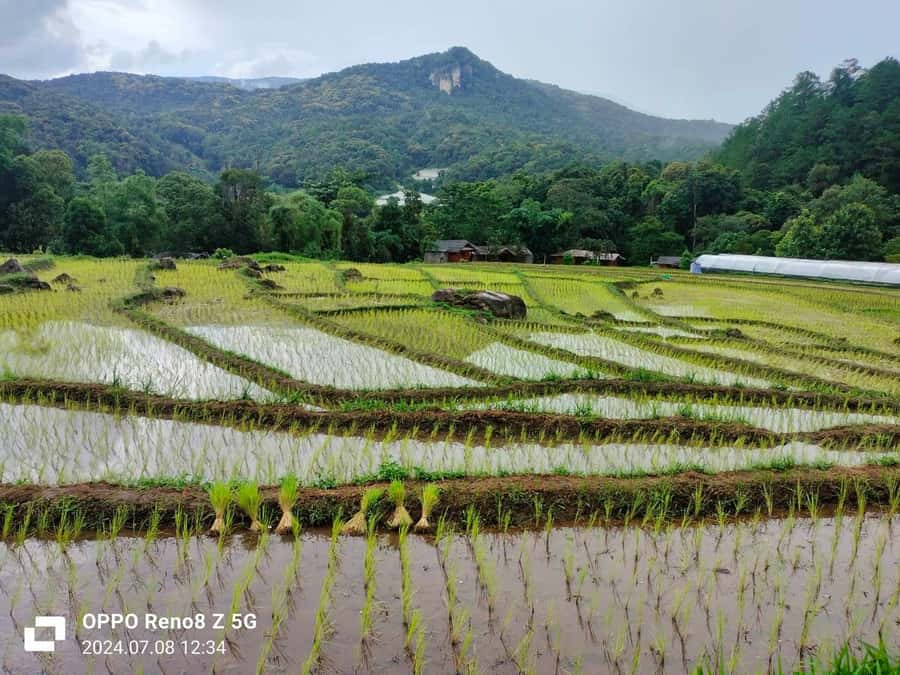
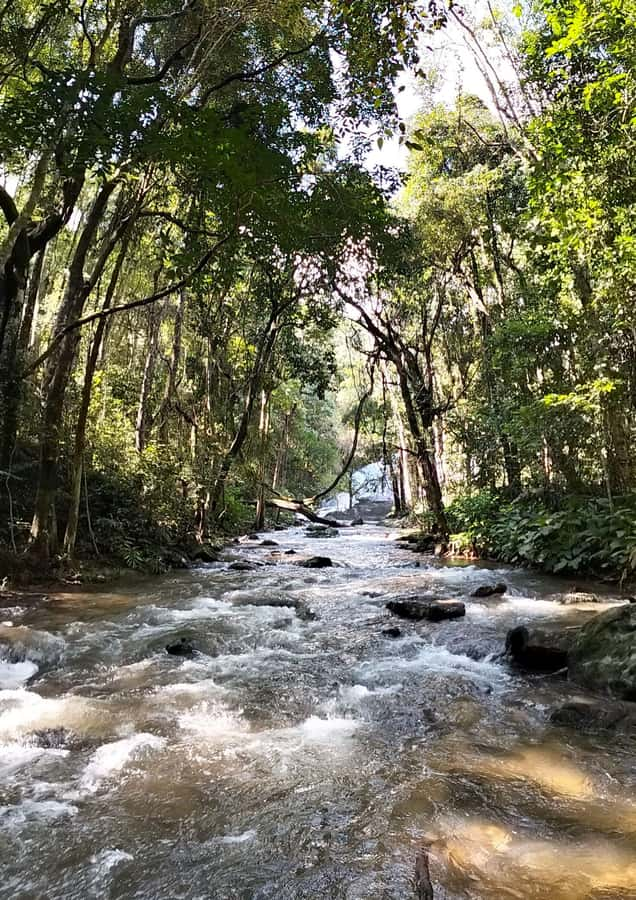
The path takes you through forest before opening toward the rice fields around Ban Mae Klang Luang. The fields depend on the season, so the exact view changes. At the right time of year, the layered rice fields across the mountain slopes are a major highlight. At other times, you may see less greenery or fewer working fields, but the route still links forest and village farming in a useful way.
This is not a summit tour. You do not visit the highest point of Doi Inthanon National Park, so do not book this trip expecting a mountain-top viewpoint or a summit marker. The appeal is the lower mountain setting, the trail, the waterfalls, and the village.
Rak Jung Waterfall offers a weather-dependent swim
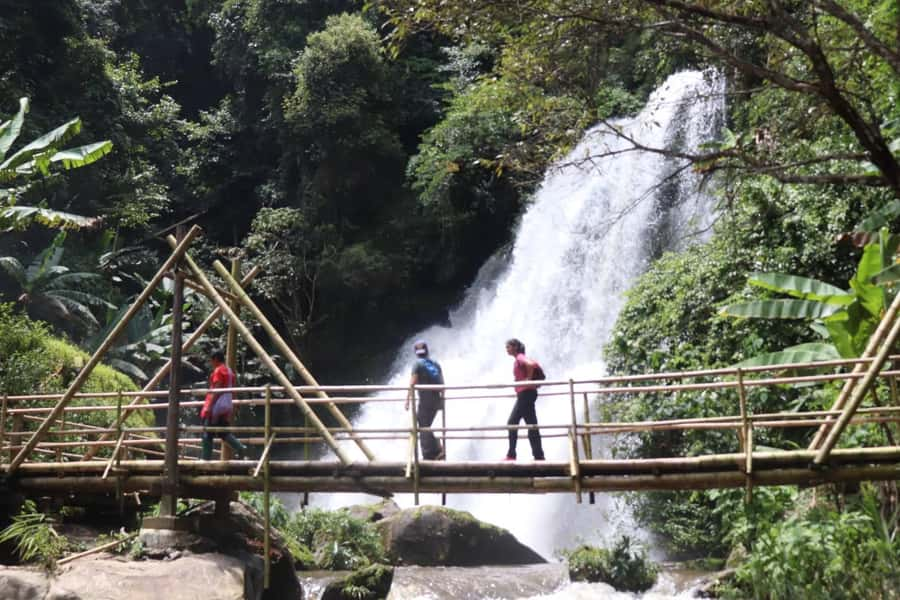
Rak Jung Waterfall appears during the nature walk, and you may have time to stop there. Swimming is possible only when weather conditions and water levels make it safe.
That qualification is important. Bring swimwear and a towel if you would like the option, but do not treat a swim as guaranteed. Heavy rain can make water levels unsafe, while dry conditions can change the look and flow of the falls.
A change of clothes is a sensible addition even if you decide not to swim. Forest paths, spray, and humid weather can leave you damp, and a dry shirt makes the ride back to Chiang Mai much more comfortable.
More Waterfall Hikes in Thailand
- Chiang Mai Untouched Elephant: Nature Walk & Waterfall Trek
★ 4.7 · 77 reviews - Chiang Mai: Whitewater Rafting and Waterfall Trekking Tour
★ 4.9 · 58 reviews - Chiang Mai Adventure: Trekking, Tubing & Waterfall Slide
★ 4.9 · 20 reviews - Chiang Mai: Elephant Sanctuary & Jungle Trek w/ Waterfall
★ 4.5 · 18 reviews
Ban Mae Klang Luang brings the day down to earth
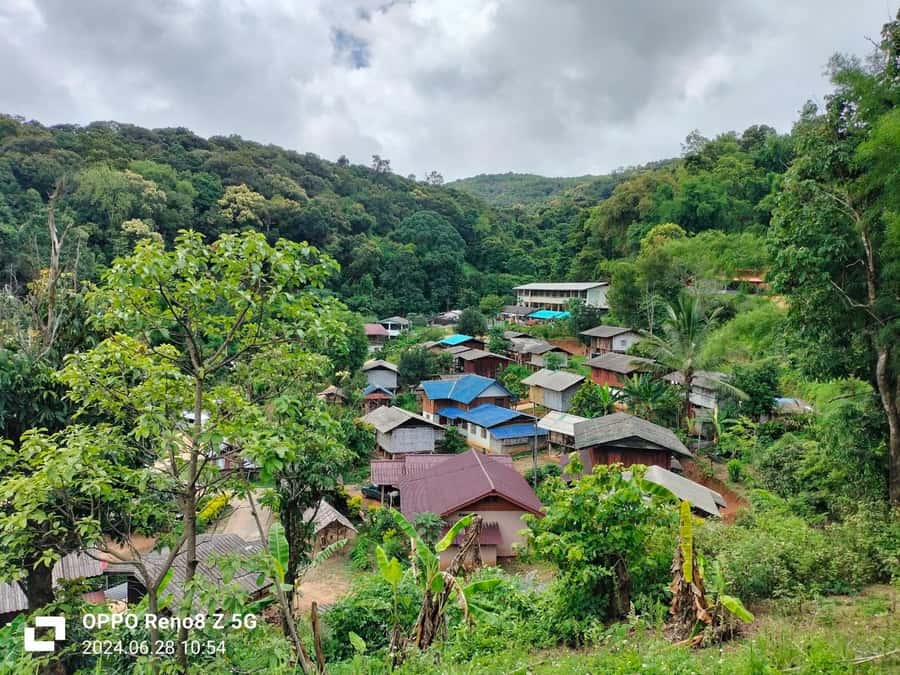
The trail finishes in Ban Mae Klang Luang, a White Karen hill tribe village. Here, the tour shifts from walking and waterfalls to food, coffee, and a short village visit.
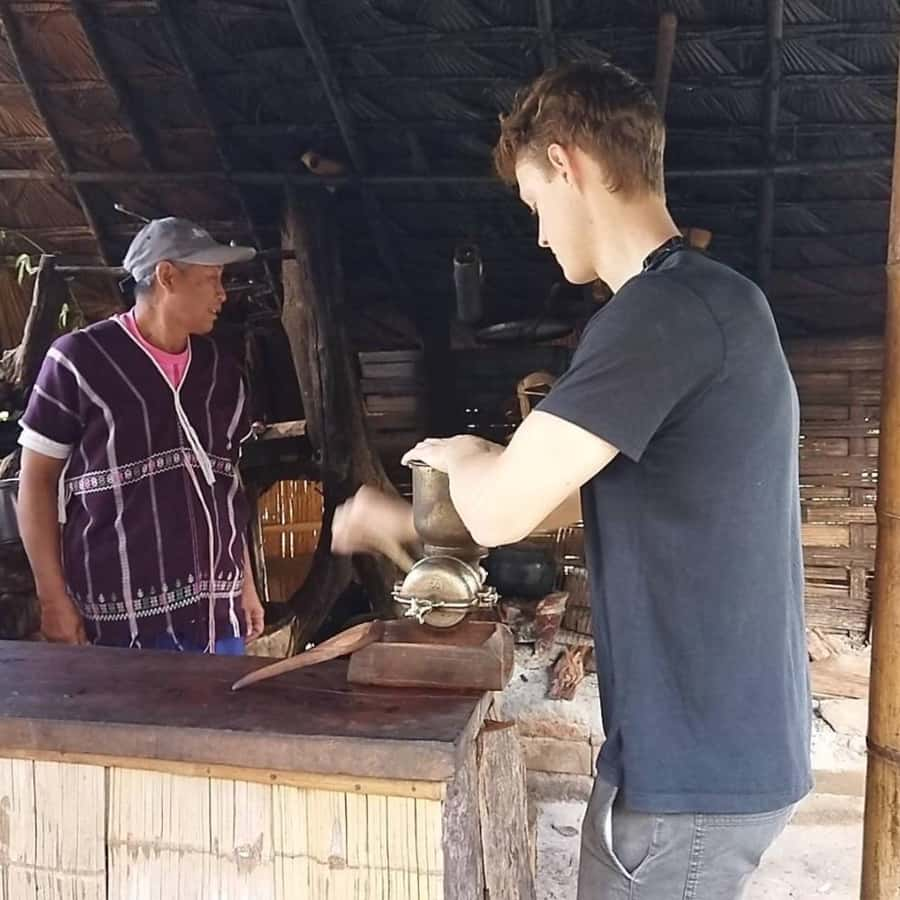
The cup of locally grown coffee is one of the most distinctive details in the day. It is freshly ground and served after the trek, so it feels like part of the place rather than a generic refreshment stop. If you enjoy coffee, this is a better reason to pause than simply grabbing a drink at a roadside shop.
Lunch is included and has received especially strong praise. It is described as generous, tasty, and surprisingly good, with one person calling it one of the best meals of their time in Thailand. You should not assume a set menu or a particular dish, since those details are not specified, but you can expect the meal to be a meaningful part of the outing rather than an afterthought.
After lunch, you walk around the village. This gives you time to look at the setting and see how the community relates to the rice fields and mountain slopes. Keep your manner respectful. You are visiting a lived-in village, not a staged attraction, so ask before photographing people and avoid treating homes or daily work as scenery.
Rice fields change with the season
The rice fields at Ban Mae Klang Luang are seasonal, and that affects the look of the walk. At one time of year, you may see strong green terraces. At another, fields may be harvested, brown, or less full.
This is not a flaw in the tour. It is simply part of visiting an agricultural area. The value lies in seeing how the fields sit on the mountain slopes and how the trail connects forest, farms, and village life.
I would book this day for the whole setting rather than for one guaranteed photograph. If you need bright green rice terraces, ask about current field conditions before you go. The tour provider requests a WhatsApp or Thai phone number, which also gives you a practical way to confirm details before departure.
Mae Ya Waterfall is the dramatic finish
Mae Ya Waterfall is saved for the end, and that is sensible. At about 280 meters high, it falls over a broad, 30-storied cliff and has a more expansive feel than a short single-drop cascade.
The waterfall is described as one of Thailand’s most beautiful, and it is easy to understand why it closes the day. After the forest path and village stop, Mae Ya gives you a final large-scale view before the drive back to Chiang Mai.
Swimming may be possible here too, but again it depends on weather and water levels. Bring swimwear only if you are comfortable with the possibility that conditions will prevent swimming. The waterfall is worth the stop even when you stay dry.
You will want your camera at this point, but remember that the day has already included a walk and several stops. Comfortable footwear and a light jacket can matter more than packing extra camera equipment.
Guides can make the walking feel personal
The guide is a major part of the value. Names connected with this outing include Tom, also referred to as Thomas, Austin, and Phon Phon, with driver Pnoom mentioned alongside Phon Phon. You may not receive one of these specific people, but the useful pattern is clear: English communication and a patient pace are important on this tour.
Tom is praised for explaining plants along the walk, staying in conversation, and giving people time at the waterfalls. Austin is described as friendly, informative, and helpful on a private outing. Phon Phon and Pnoom are credited with creating a relaxed atmosphere and keeping a six-person group well organized.
A good guide makes the trail more than a walk between two points. You can ask about plants, farming, the village, or the route, and you have someone who can adjust the pace. The tour is flexible, but you should still tell the guide early if you want more time for photographs, a swim, or lunch.
What the $80 price really covers
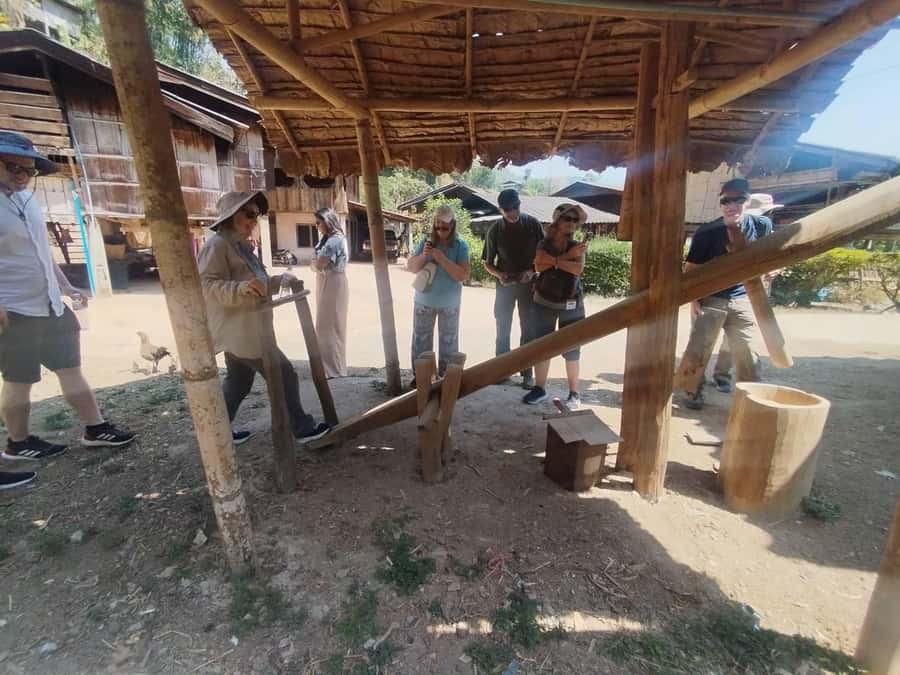
At $80 per person, this is not a bargain if you only want a waterfall photo. The price includes hotel pickup and drop-off in an air-conditioned vehicle, entrance fees, lunch, drinking water, an English-speaking guide, and accident insurance.
The value improves if you would otherwise need to arrange several separate rides. You are paying for transport to a mountain area, two major waterfalls, a guided forest walk, a village visit, food, and the convenience of having the day organized for you.
A small group or private format can also make the price feel more reasonable. One person paid for a private outing and still felt the tour was somewhat expensive, while another small group of two felt almost as if they had a private guide. Your value calculation depends on group size and how much you care about personal attention.
If you are comfortable driving yourself, planning trail access, and arranging lunch, you might spend less. If you want an English-speaking guide and do not want to manage mountain transport, the package is easier to justify.
Timing, pickup, and practical limits
The full duration is 570 minutes, with return to Chiang Mai around 5:30 p.m. Pickup is available from accommodations in central Chiang Mai within 2.5 kilometers of the old city wall. If you are farther out, select the meeting point option rather than assuming hotel pickup is included.
The vehicle is air-conditioned, which matters after the walk and during the longer road sections. Drinking water is included, but you should still bring personal medication and any snacks you know you need.
This is not suitable for wheelchair users. Children from one to three years old can go free without their own seat, but a parent must hold and care for the child on the same seat. For older children, the walking time and uneven trail should be considered carefully, even though one family group found the trek manageable for kids.
Wear long pants and sturdy walking shoes. Pack insect repellent, a sun hat, a jacket, swimwear, a towel, and dry clothes. Mountain weather can change, and the swim stops depend on water levels, so flexible clothing is more useful than dressing only for a hot morning in Chiang Mai.
Who will enjoy this day most
I would choose this outing if you want a full day that combines scenery with a little local context. It suits people who enjoy a moderate forest walk, waterfall stops, a village meal, and a guide who explains what you are seeing.
Families may like the manageable trek, but parents should be ready to supervise children on the trail and at the water. Couples and small groups can benefit from the flexible timing and the possibility of a more personal outing.
I would not choose it if you want a short, effortless sightseeing trip, a guaranteed swim, or a visit to the summit of Doi Inthanon. The driving time is significant, and the rice fields look different depending on the season.
The 24-hour cancellation policy and reserve-now, pay-later option make planning less risky. Still, the main decision is not the booking flexibility. It is whether you want a long day with several distinct stops rather than one short attraction.
Should you book the Mae Ya and Pha Dok Siew tour?
Book it if you want the best mix of waterfalls, walking, coffee, village food, and mountain farming in one day. Mae Ya Waterfall and the Pha Dok Siew Trail give you the strongest scenery, while Ban Mae Klang Luang supplies the most personal and memorable part of the schedule.
Think twice if $80 feels high for a day with substantial driving, or if you need guaranteed swimming and bright green rice fields. For everyone else, the tour offers a well-rounded introduction to the mountain country outside Chiang Mai, with guides who can turn a pretty walk into a more useful visit.
FAQ
How long does the tour last?
The tour lasts 570 minutes, or about nine and a half hours. Return to Chiang Mai is expected at approximately 5:30 p.m.
Does the tour visit the summit of Doi Inthanon National Park?
No. This tour does not visit the summit area of Doi Inthanon National Park.
How long is the Pha Dok Siew Nature Trail walk?
The trek takes about two hours.
Is swimming possible during the tour?
Swimming may be possible at Rak Jung Waterfall and Mae Ya Waterfall, but it depends on weather conditions and water levels.
Is lunch included?
Yes. Lunch in or near Ban Mae Klang Luang is included.
Is coffee included?
Yes. You receive a cup of freshly ground coffee made from locally grown coffee in the White Karen village.
Is hotel pickup available?
Pickup is available from accommodations in Chiang Mai downtown and within 2.5 kilometers of the old city wall. If you are farther away, you should choose the meeting point option.
What language does the guide speak?
The tour includes a live English-speaking guide.
Is the tour private?
Private and small-group options are available.
Is the tour suitable for wheelchair users?
No. The tour is not suitable for wheelchair users because it includes a forest trek and walking through village and waterfall areas.
Just added around Chiang Mai
- Trek to a Jungle Waterfall★ 5.0 · 14 reviews
- Waterfall Wanderer Doi Inthanon Hiking Tour★ 5.0 · 15 reviews
- Private Tour: Bua Thong Sticky Waterfalls Tour★ 5.0 · 8 reviews
- Sticky Waterfall Cycling Tour★ 5.0 · 68 reviews
- Private tour Chiang Dao cave ,Temples,Sticky waterfall★ 5.0 · 14 reviews
- Sticky Waterfalls Private Half Day Fun Escapades★ 4.5 · 8 reviews
- 7 Hour Sticky Waterfall and ATV Guided Adventures★ 5.0 · 61 reviews
- Sticky Waterfall Chiang Mai and Mae Ngat Boat Tour★ 5.0 · 19 reviews
Chiang Mai Waterfall Tours, compared.

Chiang Mai: Elephant Sanctuary, Waterfall & Bamboo Rafting
Read our review →
Chiang Mai: Elephant Sanctuary & Waterfall Group Tour
Read our review →
Chiang Mai: Elephant Sanctuary, Long Neck & Sticky Waterfall
Read our review →
Doi Inthanon Waterfall and Royal Project Chiang Mai
Read our review →
Chiang Mai: Sticky Waterfall & Angel Waterfall Park Day Tour
Read our review →
Chiang Mai: Bua Thong Sticky Waterfall & Huge Cave & Buffet
Read our review →
Chiang Mai Elephant Sanctuary, Bamboo Rafting and Waterfall Tour
Read our review →
Chiang Mai Half Day Tour: Sticky Waterfall & Hotel Transfer
Read our review →Browse the lists this tour appears in