
REVIEW · MATERUNI & KILIMANJARO WATERFALL TOURS
Kilimanjaro: Maasai Village Visit, Waterfalls, & Coffee Tour
The most unusual part of this Kilimanjaro day is the pairing of two very different cultural encounters: a Chagga village walk with coffee-making and lunch, followed by a visit to a Maasai community near Kilimanjaro Airport. I like the hands-on coffee session and the fact that the Maasai visit is arranged by community members themselves. The main catch is the long 11-hour day, with a potentially muddy waterfall trail.
I also like the private transport, airport pickup, and the guides’ care on wet paths. Mpemba has been praised for his warmth and broad understanding of Tanzanian culture, while Milton is noted for punctuality and a friendly manner. Bring shoes with grip, and ask about rain boots if the forecast looks wet.
Key points at a glance
- Materuni Waterfall is reached on foot: Allow about 45 minutes each way on a trail that can turn slippery and muddy.
- You make coffee the traditional way: Grinding beans with the Chagga community comes with songs, dancing, and a lesson about Tanzania’s coffee trade.
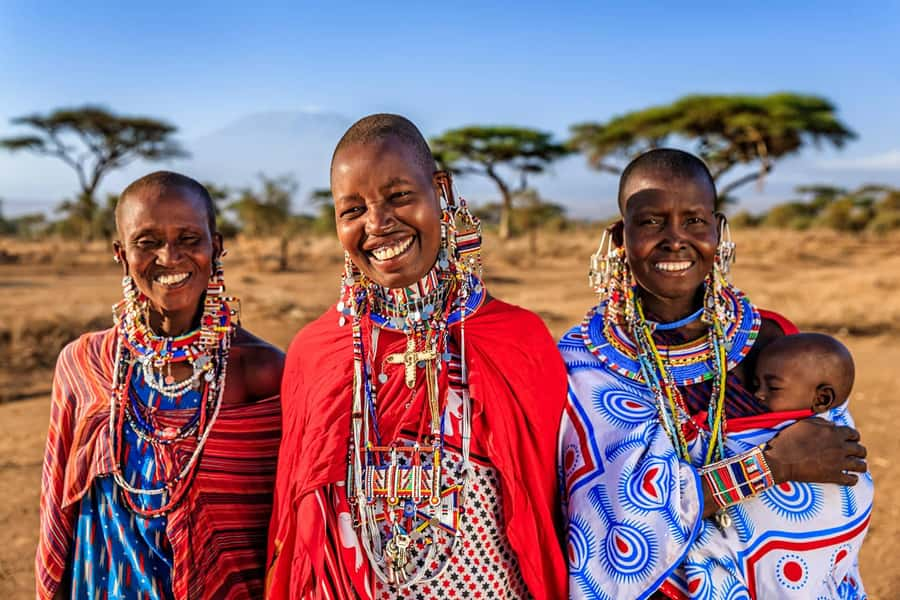
- The Maasai visit is community-led: You see homes, beadwork, fire-making, traditional medicine, livestock, and cultural performances.
- Private transport keeps the day flexible: Pickup and drop-off are available in Arusha, Moshi, and at Kilimanjaro or Arusha airports.
- The $185 price covers the main costs: Transport, guides, meals, activities, entry fees, bottled water, and the Maasai community contribution are included.
- Kilimanjaro views depend on the weather: Clear skies can reveal the summit, but cloud and rain are common around the mountain.
Two villages, two very different sides of Tanzania
This is not simply a waterfall outing with a cultural stop tacked on. The day moves between Materuni, home to the Chagga people on Kilimanjaro’s lower slopes, and a Maasai community near Kilimanjaro Airport. You get a look at farming life in the mountain foothills, then a very different picture of cattle, semi-nomadic traditions, and adaptation to modern life.
I like that the experience includes participation rather than only sightseeing. You walk with a local guide, help prepare coffee, eat a Chagga meal, and take part in parts of the Maasai welcome. That gives the day more substance than a quick photo stop.
The tradeoff is pace. The tour lasts about 11 hours, and the waterfall portion alone takes roughly four hours. Add driving, lunch, coffee, and the three-hour Maasai visit, and you have a full day. It suits you best if you want a packed cultural outing, not a slow morning with plenty of spare time.
More Materuni and Kilimanjaro Waterfall Tours in Arusha:
- Materuni Waterfalls, coffee tour & Kikuletwa Hot Springs
★ 5.0 · 643 reviews - Materuni Waterfalls & Chemka Hotsprings Day Trip
★ 5.0 · 214 reviews - Materuni waterfalls coffee tour & Chemka hot springs Day trip
★ 5.0 · 131 reviews
Starting from Arusha, Moshi, or the airport
Pickup is offered in the morning from hotels in Arusha or Moshi. You can also arrange pickup when arriving at Kilimanjaro or Arusha airports, with a printed paper showing your name.
The vehicle is described as clean and air-conditioned, and round-trip private transport is included. This matters because Materuni and the Maasai village are separate stops, and private transport avoids having to arrange taxis between them.
The starting time depends on availability, so check it before booking. An early start is sensible for a long day, especially if you are arriving at the airport. If your flight lands that morning, confirm the timing carefully rather than assuming every arrival can connect with the tour.
The drive is part of the experience, but it is also time in the vehicle. You should expect a day split between road travel, walking, village activities, and cultural demonstrations. Comfortable clothes and hiking shoes are the right choice.
Walking through Materuni to an 80-meter waterfall
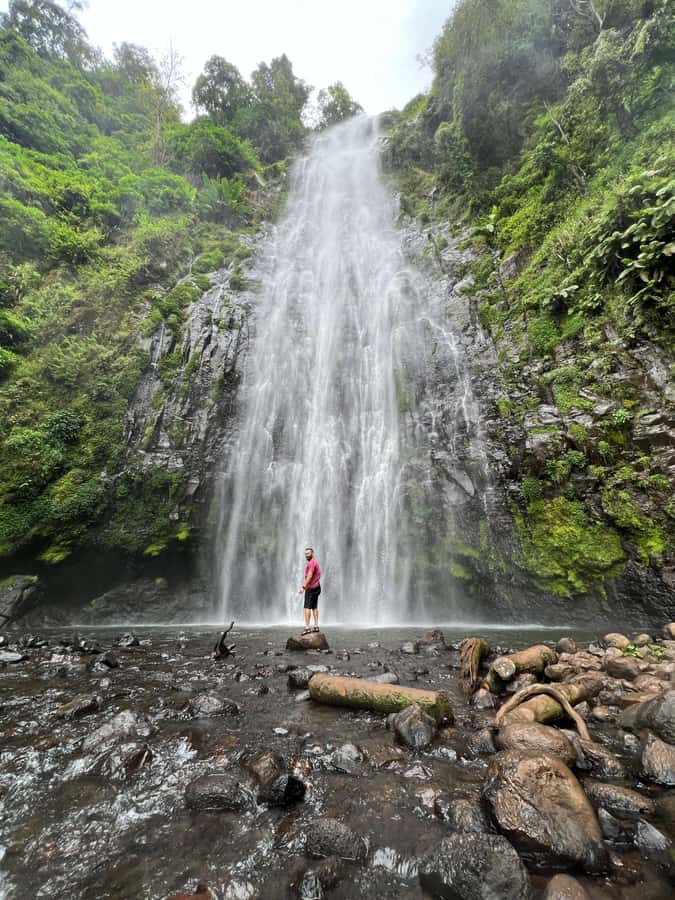
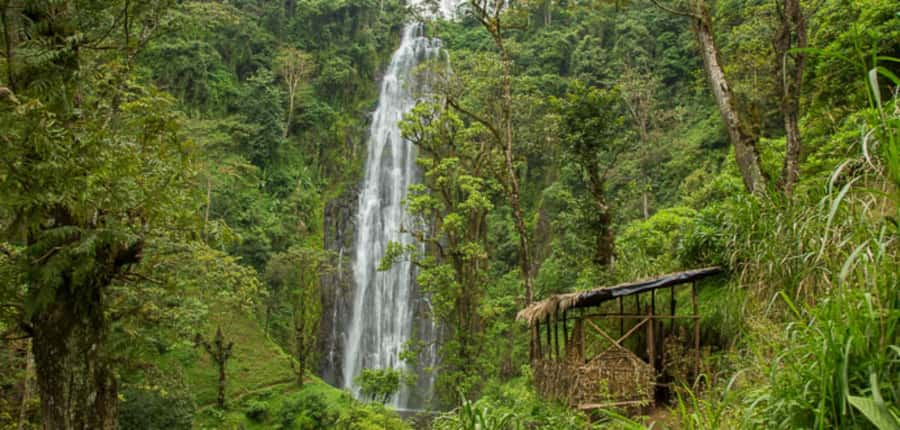
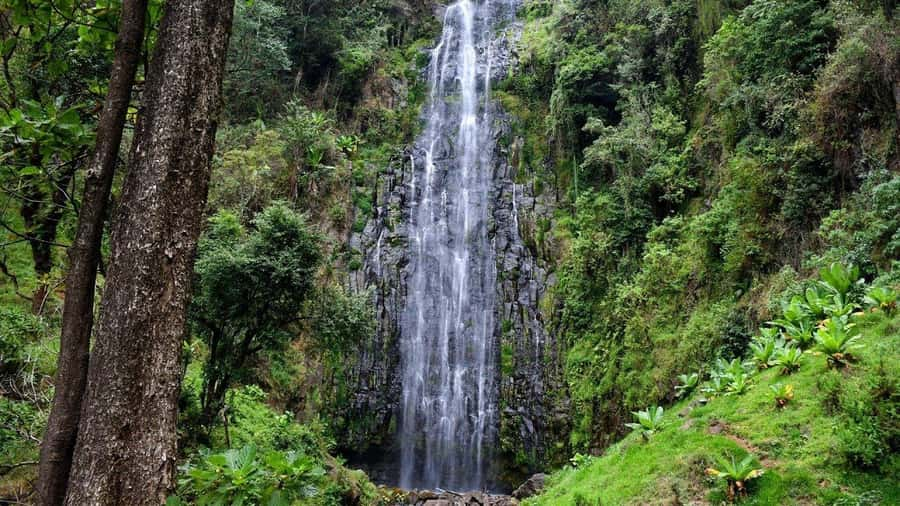
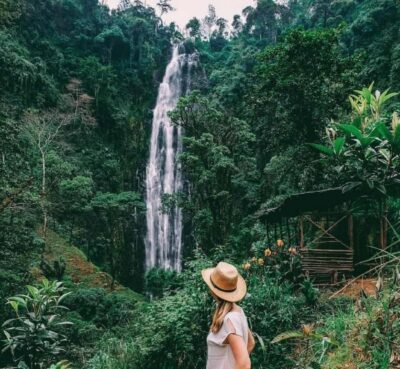
Materuni is described as the last village before Kilimanjaro National Park. The walk toward the waterfall takes about 45 minutes, with a guide explaining Chagga village life, local plants, wildlife, and the surrounding area along the way.
The waterfall itself drops more than 80 meters, or about 262 feet. That is the visual payoff, but the walk gives the stop its value. You are not simply driven to a viewpoint. You move through the village and countryside before reaching the cascade.
The trail deserves respect. Rain can make it muddy and slick, so shoes with firm grip are important. A raincoat belongs in your day bag even if the morning begins dry. One particularly useful detail from the experience is that guides have provided rain boots during wet conditions. Andre called them essential, and another visitor described being helped through a rainy hike with boots supplied by the guide.
That sort of practical care can make a real difference. Still, do not count on borrowed footwear being guaranteed for every departure. Ask ahead if conditions look wet, and wear clothes that can handle mud.
The mountain views are another reason to keep your eyes open during the walk. On a clear day, you may see Kilimanjaro’s summit and take strong photographs. Clouds can cover the peak, so the tour offers a good chance of a view, not a promise.
A Chagga lunch and coffee made by hand
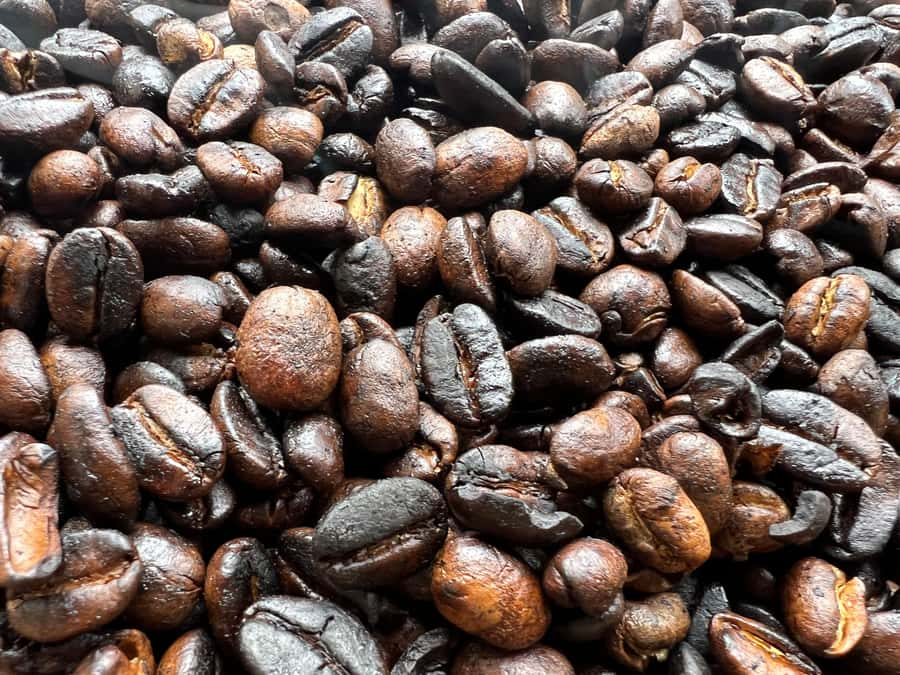
After the waterfall, you return to Materuni for a traditional Chagga lunch. The meal is included, along with bottled water, so you do not need to budget separately for the main food stop.
The lunch gives useful context to the village visit. You are eating in the same cultural setting you have just explored, rather than stopping at a generic restaurant. The experience also includes the option to taste local banana beer. If you do not want to try it, the wording makes clear that it is optional.
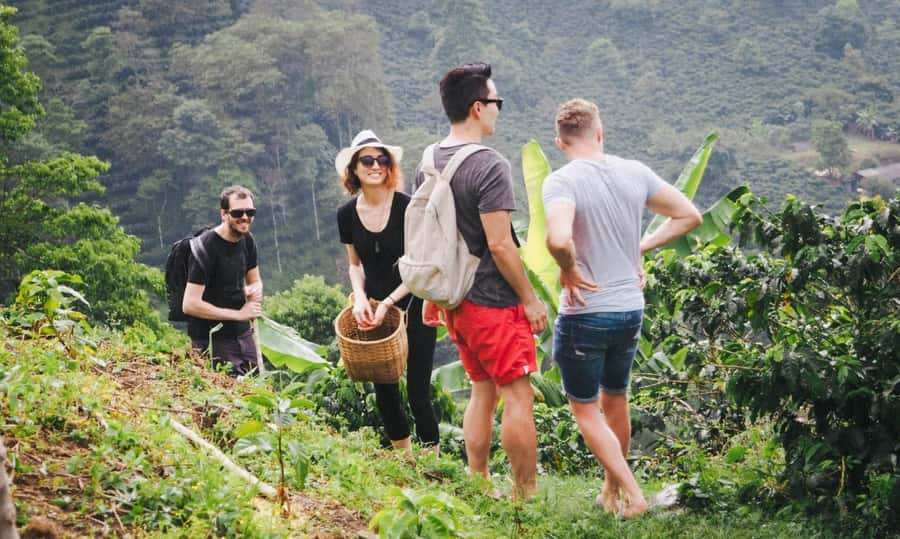
The coffee session is one of the strongest parts of the day. You help grind the beans by hand, traditionally accompanied by Chagga songs and dancing. Then you prepare your own cup using traditional methods and taste the result.
I like this because it explains coffee as work and culture, not just as a drink. You also receive an introduction to Tanzania’s coffee industry, which makes the activity more useful than a simple demonstration. If you enjoy food, farming, and local craft, this is likely to be one of the day’s most memorable stops.
Expect a social activity rather than a quiet tasting. The songs and dancing are part of the welcome, and you are invited to join in. That can feel lively and fun, but it may be less comfortable if you prefer to observe from the side. The private group format should make it easier to ask questions and set your own level of participation.
More Coffee Tastings in Arusha:
- Maasai village visit, Materuni waterfalls & coffee experience
★ 4.5 · 95 reviews - Materuni Waterfalls & Coffee Tour from Moshi
★ 5.0 · 92 reviews - Arusha: Materuni Waterfalls, Coffee, and Hotsprings Tour
★ 4.8 · 78 reviews - Materuni waterfalls,coffee tour & Kikuletwa(Chemka)Hot Springs
★ 5.0 · 49 reviews
Meeting a Maasai community near Kilimanjaro Airport
The second cultural stop is at Rundugai, described as a Maasai village near Kilimanjaro Airport. The drive from the Materuni area adds another change of setting, and the Maasai visit lasts about three hours.
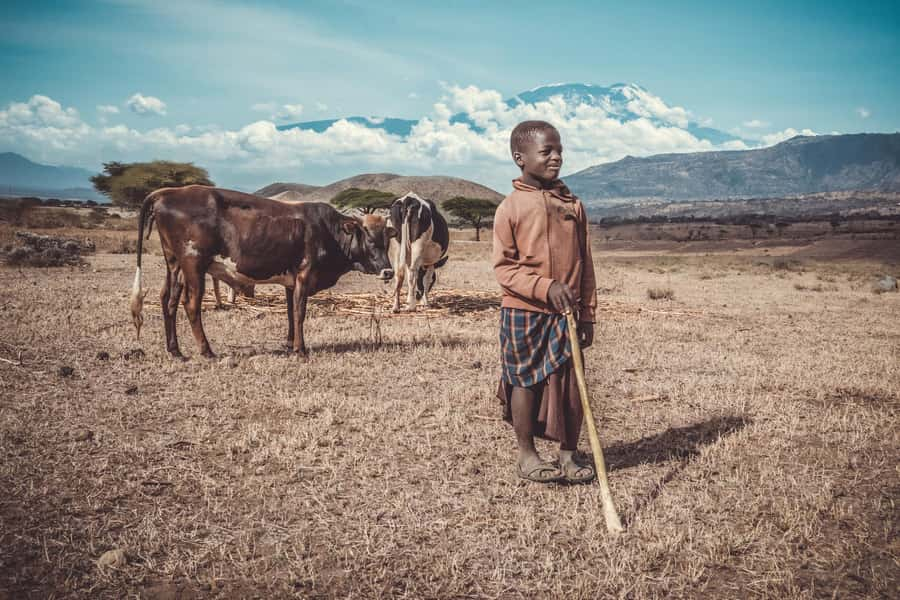
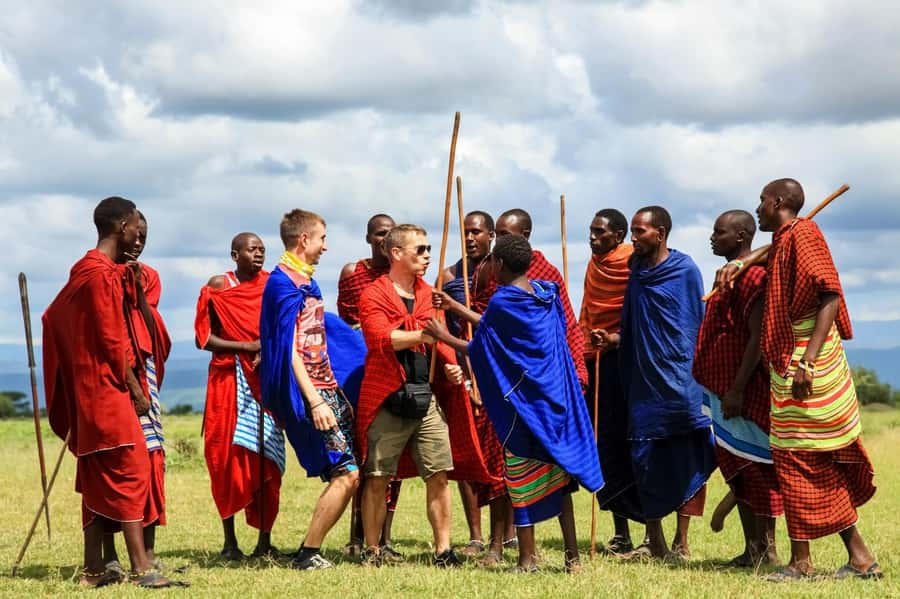
Maasai community members arrange and lead the visit. You can see traditional mud-thatched homes, learn about cattle and smaller livestock, watch singing and dancing, and examine beads and ornaments. The visit also includes demonstrations of fire-making, bush techniques, and traditional medicine.
You may also walk with cattle on the plains before returning to Arusha or Moshi. This is a chance to see daily life rather than only a staged performance, though the visit does include planned cultural demonstrations. That balance is worth understanding before you book. You are receiving a hosted introduction to Maasai traditions, not wandering through a village independently.
The visit also covers how Maasai communities adapt to development and contact with modern society. That makes it more useful than a narrow presentation of the past. You see traditional practices alongside signs of change, giving you a fuller sense of present-day life.
Treat the setting with care. Ask before taking close-up photographs, listen during demonstrations, and follow the community’s guidance. Littering is specifically prohibited, and that should be taken seriously in both village areas and the waterfall surroundings.
What the guides add to the day
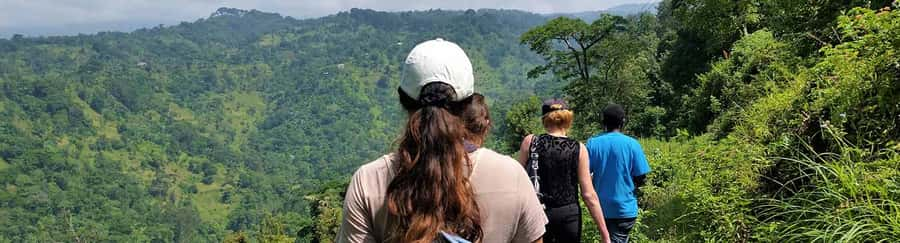
The guide can make or break a long day like this. You need someone who can explain Chagga customs, keep you safe on a wet path, manage the driving schedule, and help translate cultural details into plain language.
Mpemba has been singled out for his warmth, patience, and wide explanations of Tanzanian culture, nature, and history. That is useful here because the day covers two communities and several different activities. Milton has also been noted for arriving on time, being friendly, and working hard to keep the tour enjoyable.
The tour is in English, and the group is private. You can ask questions as they arise instead of trying to follow a fixed speech in a large crowd. Private touring also helps if one person in your group wants more time with the coffee activity or needs a slower pace on the trail.
Do not confuse a private group with a private village. The transport and guiding are arranged for your party, while the Materuni and Maasai activities take place within their local communities.
Is $185 a fair price?
At $185 per person, this is not the cheapest way to spend a day around Kilimanjaro. It is also more than a basic waterfall transfer or a short village visit. The value comes from the amount packed into one outing.
The price includes:
- Private round-trip transport
- An English-speaking guide
- Materuni activities
- The Maasai village visit
- Traditional hot lunch
- Bottled water
- Entrance fees and taxes
- A contribution to the Maasai community
You are paying for two major stops, a full day of transport, several guided activities, and the convenience of pickup in Arusha, Moshi, or at an airport. For a small private group that wants both nature and culture without arranging separate vehicles, the cost is reasonable.
The value is weaker if you only want a waterfall walk or if you already have transport and cultural visits arranged. The 11-hour schedule also means you are paying for breadth rather than leisure. I would choose this tour when you have one free day and want to combine several Kilimanjaro-area experiences.
Who should book this experience?
I would recommend it to first-time visitors who want more than a standard safari or mountain transfer. It gives you a practical introduction to Chagga life, Tanzanian coffee, Maasai customs, and Kilimanjaro’s foothills in one day.
It also suits couples, families with older children, and small private groups that value a personal guide. The hands-on coffee activity and demonstrations give children something to do, but the muddy trail and long duration may be tiring for younger kids.
You should be comfortable walking for around 45 minutes each way to the waterfall. The trail can be muddy, and the day involves several hours of movement and driving. If you want a relaxed schedule, choose a shorter outing instead.
This is also a good add-on before or after a safari, provided your schedule allows a full day. If you are climbing Kilimanjaro, remember that this is a cultural and nature day, not a training hike. It should not replace the rest and preparation needed for your climb.
Practical advice before you go
Wear hiking shoes with good grip and bring a raincoat. Comfortable clothes are listed as essential, and you should expect dirt or mud on the waterfall trail during wet weather.
Pack a small bag for water, personal items, and perhaps a change of clothes. Bottled water is included, but the long day makes sensible preparation worthwhile. Ask about rain boots if rain is expected, since guides have supplied them in wet conditions before.
Keep your camera ready for the mountain, but stay realistic about visibility. The tour spends much of the day around Kilimanjaro, giving you a good chance of photographs, yet clear views depend on weather.
Cancellation is free up to 24 hours before the activity, and you can reserve now and pay later. Those terms help if your Arusha or Moshi plans are still shifting.
My verdict on the 11-hour Kilimanjaro day
Book this tour if you want a busy, people-focused day that mixes a waterfall, a meal, coffee preparation, and a Maasai village visit. The strongest features are the hands-on Chagga coffee session, the community-led Maasai welcome, private transport, and guides who have shown patience in difficult wet conditions.
Think twice if you dislike long days, muddy walks, or planned cultural demonstrations. The mountain may hide behind cloud, and the drive between stops adds time.
For the right kind of visitor, $185 buys a useful slice of northern Tanzania in one well-filled day. Bring sturdy shoes, accept the weather as part of the deal, and leave room in your schedule for the experience to run at a natural village pace.
FAQ
How long does the tour last?
The tour lasts 11 hours, including transport, the Materuni Waterfall visit, lunch and coffee activities, and the Maasai village visit.
Where can pickup and drop-off take place?
Pickup and drop-off are available in Arusha or Moshi. Pickup can also be arranged at Kilimanjaro or Arusha airports.
Is transport private?
Yes. Round-trip private transport is included, and the activity is for a private group.
What language does the guide speak?
The live tour guide speaks English.
How long is the Materuni Waterfall section?
The Materuni Waterfall portion is listed as about four hours. The walk to the waterfall takes around 45 minutes.
Is the waterfall trail difficult?
The provided information warns that the trail can be slippery and muddy. Hiking shoes with good grip and a raincoat are recommended.
What food is included?
A hot traditional Chagga lunch is included. You can also choose to taste local banana beer.
Do I get to make coffee?
Yes. You help grind coffee in the traditional way, join Chagga songs and dancing, and prepare your own cup of coffee.
What happens at the Maasai village?
You can see traditional houses, cattle and smaller livestock, Maasai singing and dancing, beadwork, fire-making, ornaments, bush techniques, and traditional medicine. You may also walk with cattle on the plains.
What is included in the $185 price?
The price includes private transport, guides, all activities, a hot lunch, entrance fees and taxes, a contribution to the Maasai village, and bottled water.
Just added around Arusha
- Materuni Waterfalls and Coffee Tour★ 5.0 · 9 reviews
- Private Full-Day Materuni Waterfalls and Kikuletwa Hotspring★ 5.0 · 10 reviews
- Materuni Waterfalls & Coffee Tour from Moshi★ 5.0 · 92 reviews
- Materuni Waterfall Coffee Tour and Chemka Hot Springs Experience★ 5.0 · 15 reviews
- Waterfall, coffee tour & hot springs – lunch and drinks included★ 5.0 · 22 reviews
- Materuni Waterfall and Kikuletwa Hot Spring Tour★ 5.0 · 14 reviews
- Materuni Waterfalls & Coffee making Cultural Tour | BURIGI CHATO SAFARIS LTD★ 5.0 · 15 reviews
- Materuni Waterfalls and Coffee Day Tour★ 5.0 · 9 reviews
Materuni & Kilimanjaro Waterfall Tours, compared.
Materuni Waterfalls, coffee tour & Kikuletwa Hot Springs
Read our review →
Materuni Waterfalls & Chemka Hotsprings Day Trip
Read our review →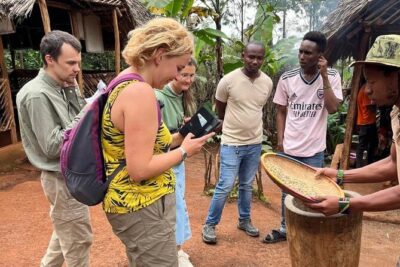
Materuni waterfalls coffee tour & Chemka hot springs Day trip
Read our review →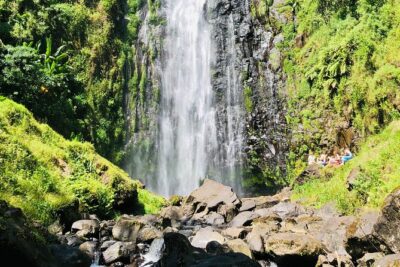
Materuni Waterfall, Coffee Tour and Picnic Hot Lunch
Read our review →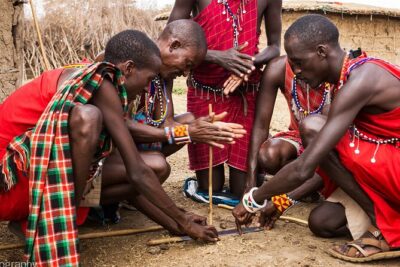
Maasai village visit, Materuni waterfalls & coffee experience
Read our review →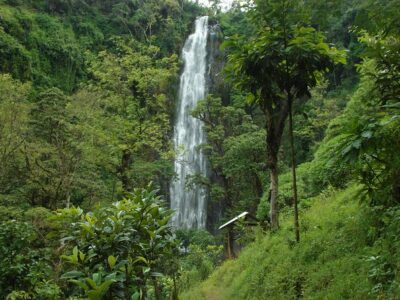
Arusha: Materuni Waterfalls, Coffee, and Hotsprings Tour
Read our review →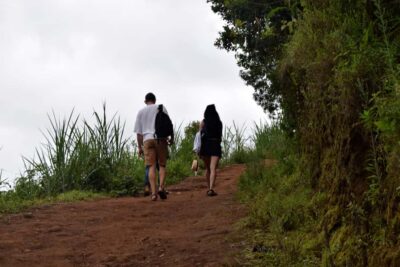
Materuni Waterfalls, Chemka Hot Springs, &/Or Coffee Tour
Read our review →Browse the lists this tour appears in