
REVIEW · RICE TERRACE & WATERFALL TOURS
Ubud: Rice Terrace, Waterfall, & Elephant Cave
Tegenungan Waterfall gives this Ubud day out an energetic start, but the real strength is its mix of water, temples, village crafts, and rice fields. You can swim beneath the falls, learn how Balinese artists carve ebony and teak, and finish among the famous terraces of Tegallalang.
I like the private car and flexible pacing, especially when traffic or tired legs make the planned order less useful. I also like the guides’ practical help. Names such as Made Sucita, Edi, Agung, and Gede Susila come up often for clear explanations, good English, and taking photos. The tradeoff is a busy day, with several tourist stops and some possible shopping or tasting visits along the way.
Key points to know before booking
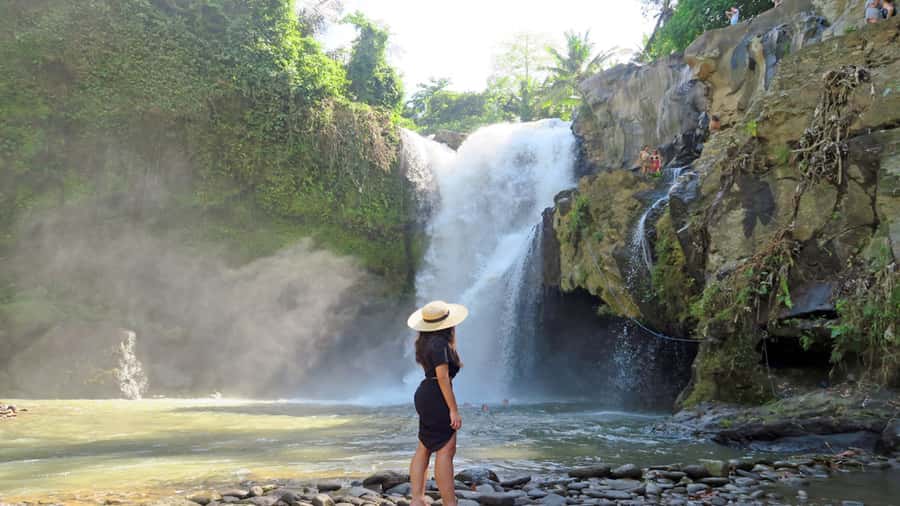
- Tegenungan Waterfall comes first: You can walk to the falls, enjoy the spray, and swim if conditions suit you.
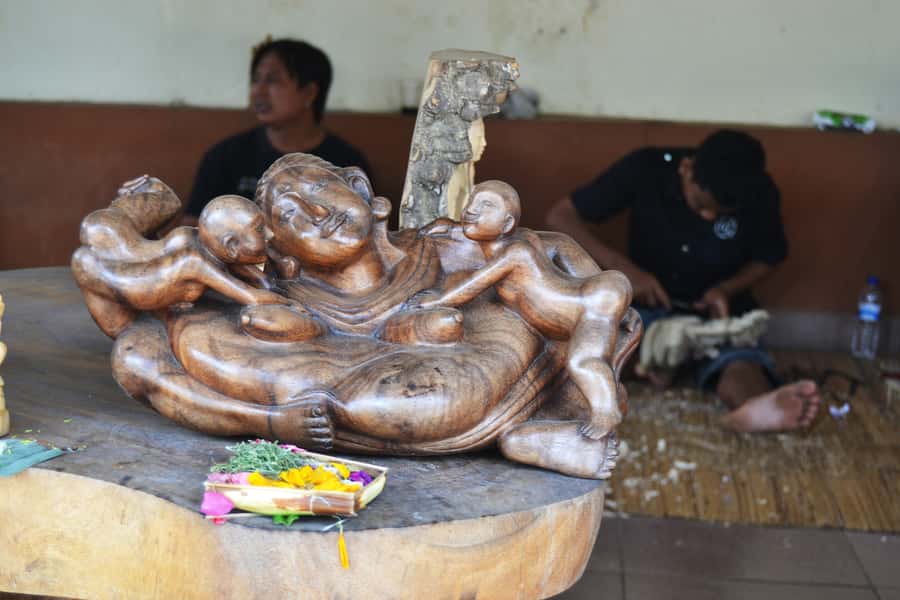
- Kemenuh adds a human element: You see woodcarvers at work and learn about designs shaped by Balinese Hindu culture.
- Goa Gajah is more than a cave: The seven-meter cliffside site includes the Boma entrance, temple remains, gardens, and artifacts.
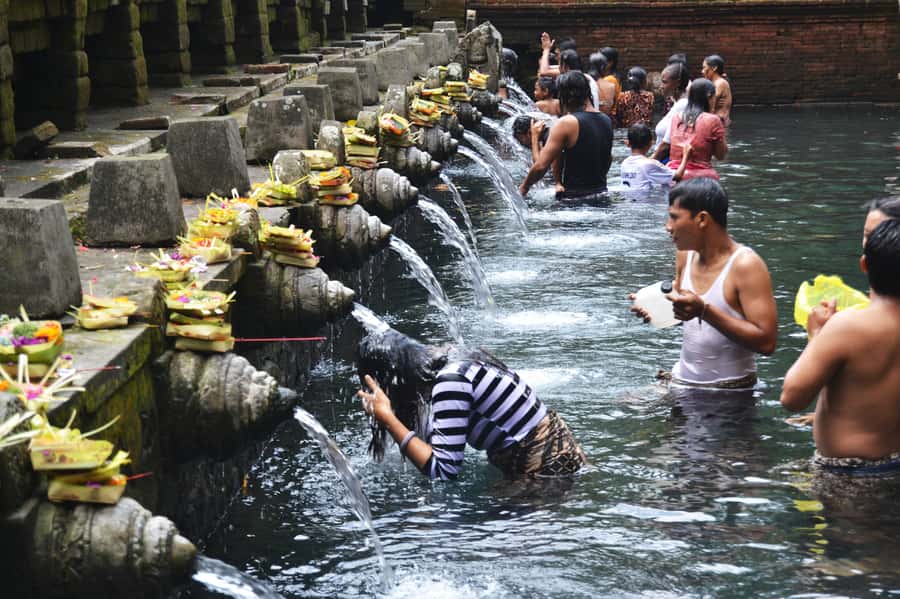
- Tirta Empul is the cultural high point: You can see the temple’s holy springs and, if arranged appropriately, take part in a cleansing ritual.
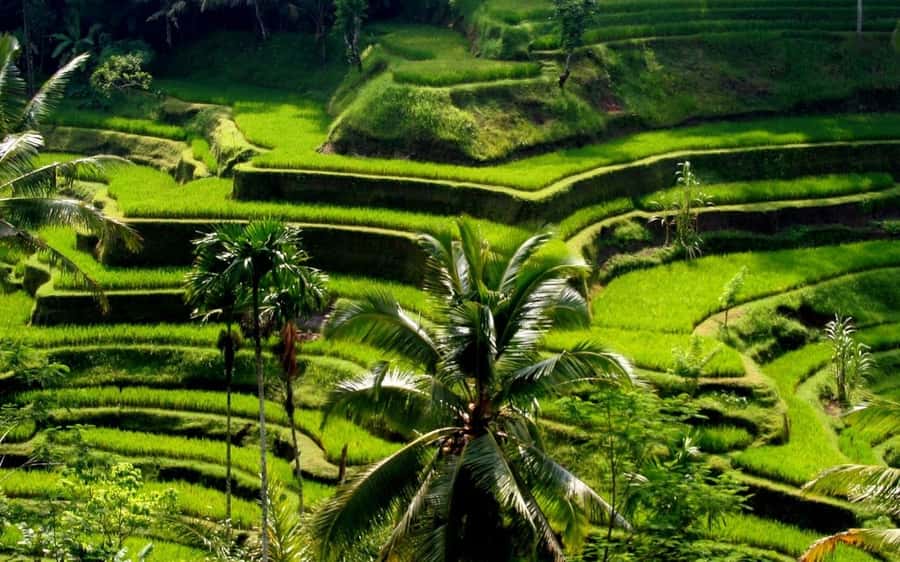
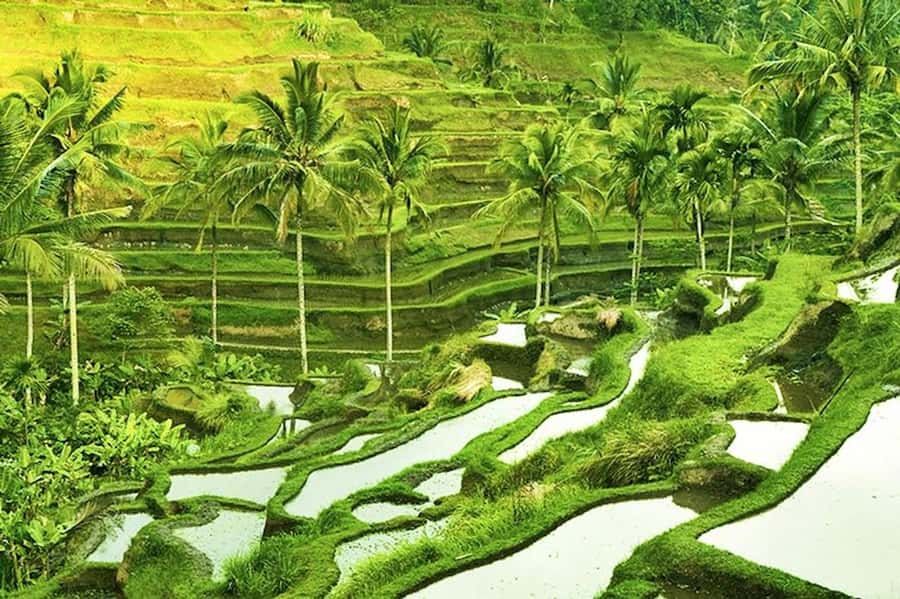
- Tegallalang is best for views and a walk: The rice terraces are carefully shaped with palms and plantation greenery, but paths can be uneven.
- The tour is private and adjustable: Your driver-guide can often change the order, shorten a stop, or help you return on time.
Why this central Bali route works
At $43 per person, this is a strong-value way to cover several of central Bali’s major sights in one day. The price includes transport in an air-conditioned vehicle, an English-speaking private driver-guide, petrol, parking, and entrance fees. You still pay for lunch and personal purchases, but the main cost is clear from the start.
I would not compare this with a slow, single-site cultural visit. This is a full day of moving around. You get a broad introduction to the Ubud area rather than hours at one temple or a long walk through the countryside. For a first day in central Bali, that range is useful. You can see what interests you most and return later for a deeper visit.
The route usually begins with pickup around 8:00 a.m. and returns around 4:00 p.m. Pickup is available from Ubud and much of South Bali, including Kuta, Seminyak, Canggu, Sanur, Denpasar, Jimbaran, Nusa Dua, Benoa, and nearby areas. Travel time depends heavily on the starting point and traffic, so the private format matters. A pickup in Ubud gives you more sightseeing time than one from the southern coast.
The vehicle is one of the tour’s quiet advantages. You have somewhere cool to sit between stops, and several people have found the cars clean and comfortable. Your driver is also your guide, so this is not a large coach with a fixed script. Ask questions as you go. The best guides explain what you are seeing while driving through villages, not just after you step out of the car.
More Rice Terrace and Waterfall Tours in Bali:
- Ubud: Waterfall, Rice Terraces & Monkey Forest Private Tour
★ 4.9 · 4,894 reviews - Ubud: Private Scenic Waterfalls and Rice Terraces Tour
★ 4.9 · 719 reviews - Bali: Swing with Falls, Rice Terrace, & Monkey Forest Option
★ 4.8 · 509 reviews
Tegenungan Waterfall starts the morning
Tegenungan Waterfall is a good first stop because it gets you outside quickly. The setting is green, and you can hear and feel the water before getting close to the main viewing areas. The visit allows roughly two hours for sightseeing, walking, photos, and, if you want, a swim.
Bring a swimsuit if you plan to get in. Swimming is optional, so you can simply enjoy the view and the cool spray. Do not treat the waterfall as a quick roadside photo stop. The walk and surrounding paths are part of the visit, and the time can pass quickly if you stop for pictures.
This is also where practical footwear matters. The tour is classed as moderate walking, with uneven surfaces at several stops. Wear shoes with a good grip rather than smooth sandals. Sunglasses, sunscreen, and a hat are useful, too, since parts of the route are exposed.
Rain does not automatically cancel the outing. The tour runs in wet weather, so a light rain layer and footwear that can handle damp paths will make the morning easier. The waterfall may feel less inviting in rain, but the green surroundings can look especially fresh.
Kemenuh woodcarvers show Bali’s working traditions
Around 10:30 a.m., the route continues to Kemenuh, a village associated with Balinese woodcarving. This stop gives the day a useful change of pace. Instead of looking only at finished sights, you see the skill behind the objects sold in galleries and craft shops.
The carvers work with woods such as ebony, hibiscus, and teak. Their designs are influenced by Hindu beliefs, and your guide can explain how religious figures, animals, and decorative forms fit into Balinese art. The value here depends on how much you ask. If you are curious about tools, carving stages, or the meaning of a particular figure, speak up.
You may find an arts and crafts market or workshop atmosphere here. This is not just a photo opportunity, but it can also become a shopping stop. I would set a simple boundary early: tell your guide if you want to look without buying, or if you would rather keep the day focused on temples and scenery.
Some itineraries connected with this outing include extra stops for coffee, tea, honey, or other local products. Several people have enjoyed these tastings, while others would prefer more time at the main sights. These additions are not the core of the advertised route, so ask your driver what is planned and skip them if your priority is sightseeing.
Goa Gajah puts Bali’s symbols in context
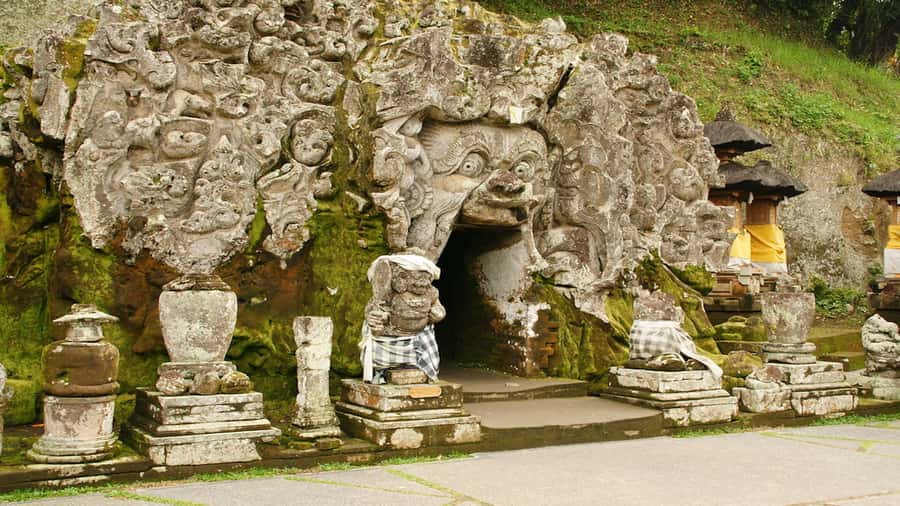
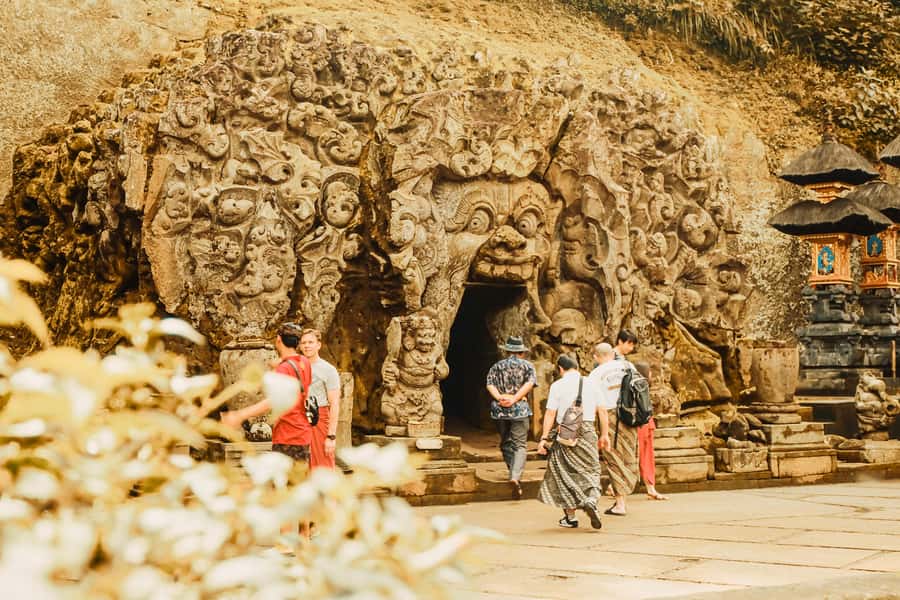
Goa Gajah, usually called Elephant Cave, is one of the most unusual stops. The cave entrance is set into a cliff and rises about seven meters. Its carved face, known as Boma, has a powerful, protective look that makes the entrance memorable even before you know its religious meaning.
The site is not simply a cave with a quick photo in front. You can see Hindu temple features, planted grounds, and artifacts around the complex. The surrounding greenery softens the stonework, while the narrow cave entrance gives the visit a sense of mystery without requiring a long underground exploration.
Allow about an hour and a half here. That is enough for the cave, photos, a walk through the grounds, and an explanation from your guide. The site is more rewarding when you understand the symbols, so this is a place where a good driver-guide makes a clear difference. Gede Susila, Agung, Edi, and Made Sucita are among the guides praised for explaining Balinese culture, temples, and religious customs in accessible English.
Goa Gajah can be busy, and the walk is not completely flat. Take your time on the steps and uneven areas. If you have already visited several temples, you may find this stop more interesting for its carved entrance and setting than for the length of the visit.
A few more waterfall trips around Bali worth a look
- Ubud: Spectacular Waterfalls Tour
★ 4.9 · 1,066 reviews - North Bali: Sunrise Tour with Dolphins, Waterfalls & Temples
★ 4.6 · 831 reviews - Bali: Lake Bratan, Handara Gate, Waterfall & Swing Tour
★ 4.8 · 714 reviews - Bali: Mount Batur Sunrise Hike and Hidden Waterfall
★ 4.8 · 591 reviews
Lunch is flexible, but not included
Lunch usually falls around noon, after the cave visit. You pay separately, and the exact restaurant is not fixed in the information provided. This is actually useful in a private tour. You can tell your guide whether you want a quick meal, a particular restaurant, or a longer break.
Several guides have adjusted the schedule for meal preferences, and one guide helped arrange a stop at a restaurant chosen by the people on the tour. Still, do not assume lunch is built into the $43 price. Carry some cash or another way to pay for food and drinks.
A relaxed lunch makes the second half of the day more pleasant. The schedule includes Tirta Empul and Tegallalang, both of which involve walking and outdoor exposure. A rushed meal followed by a hot temple visit is not the best use of a private tour, so use the flexible format to set a pace you can manage.
Tirta Empul is the most meaningful stop
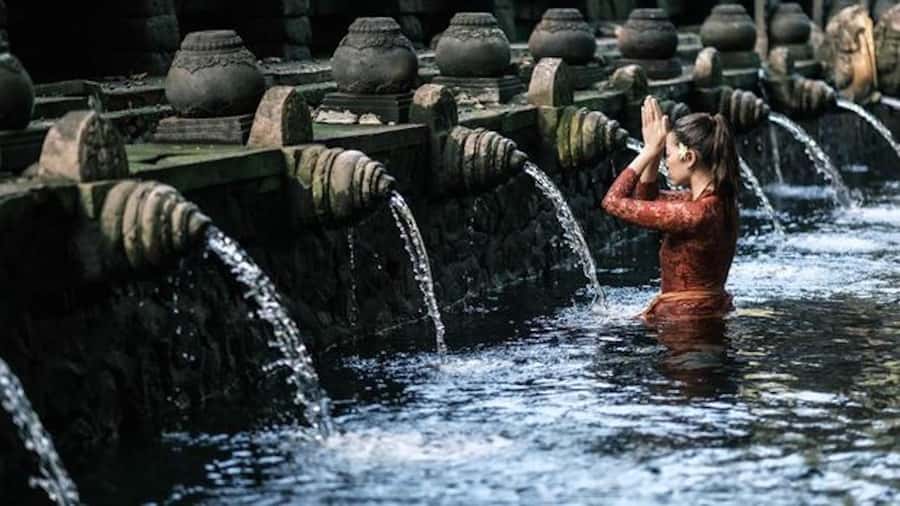
Tirta Empul Temple at Tampaksiring is likely to be the cultural highlight. It is a functioning holy site with Balinese architecture and a strong religious atmosphere, not simply an old building arranged for photographs. Your guide can explain the temple layout, the role of water, and how ceremonies fit into local Hindu practice.
You can visit the temple grounds and admire the architecture without taking part in a ritual. Some people choose to do the water purification ceremony, also called a cleansing ritual. This is a more involved experience, so ask your guide about the proper process, clothing, and timing before deciding.
If you take part, expect attention from photographers near the ritual area. Photos may be offered for purchase afterward. You should not feel obliged to buy them. The ceremony itself is the important part, and you can ask your guide to help you understand what is happening rather than treating it as a staged photo session.
Dress respectfully for Tirta Empul. The supplied information specifically stresses sun protection and appropriate clothing for an outdoor day, while the temple setting calls for cultural respect. If you are unsure about what to wear or how to behave, ask your driver before entering.
Two hours is allowed for the temple visit. That gives you time to walk, listen, take photos, and consider the site without racing through it. I would place more value on this stop than on an extra souvenir shop. The temple offers the clearest connection to living Balinese religious practice on the route.
Tegallalang closes the day with rice terraces
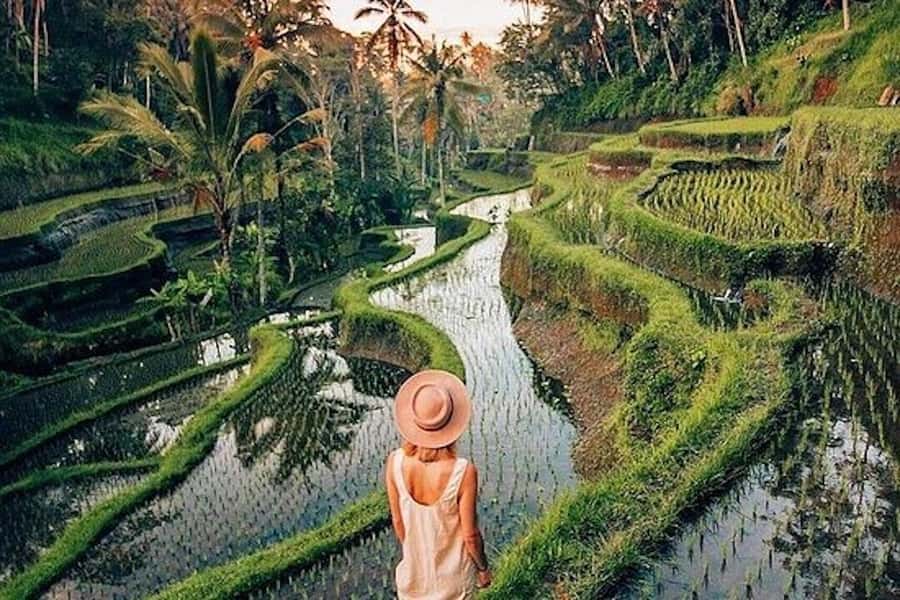
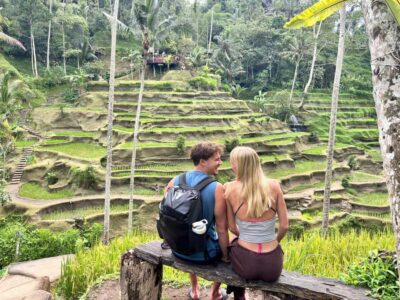
The final major stop is Ceking Rice Terrace in Tegallalang. This is the classic Ubud view: rice fields shaped into stepped slopes, with coconut trees and other plantings used as natural decoration. The beauty comes from both the crops and the careful way the fields follow the contours of the ground.
You can take a pleasant walk around the terraces and stop for photos. The route is scenic, but it is not a flat park path. Expect steps, uneven ground, and sun. Good shoes matter more here than fashion sandals, especially if rain has made the paths slippery.
Two hours gives you a reasonable amount of time to see the terraces at a calm pace. You can walk farther if your energy is good, or keep to the best viewpoints if your legs are tired after the waterfall and temples. The private arrangement helps because you are not forced to keep up with a large group.
This is also a stop where timing affects the experience. Traffic can make the day run late, and the guide may change the order to avoid the worst delays. Made Sucita and other drivers have been praised for adjusting the schedule while still getting people back for evening plans. Tell your guide at pickup if you have a firm dinner, flight, or appointment later.
What the guides add to the day
The guide is the main variable in a private tour, and the strongest part of this experience is the human service. Good guides do more than drive. They explain temple customs, answer questions about Hindu traditions, point out village life, and help you decide how long to spend at each stop.
Made Sucita is often singled out for punctuality, local cultural insight, safe driving, and photography. Edi is praised for flexibility, strong English, and adjusting the route when someone has already seen a particular sight. Agung is noted for patience, good humor, restaurant flexibility, and helping with photos. Gede Susila is valued for clear explanations and attentive service.
Names can change with availability, so you cannot book a particular guide from the information provided. Still, the repeated pattern is useful: expect a private driver who may take photos, answer questions, and suggest small changes. Be clear about your interests. If you want culture, say so. If you want fewer shops, say that too.
Who should book this experience?
I would recommend it to first-time visitors who want a broad look at central Bali without arranging several separate taxis. It suits couples, families who can manage moderate walking, solo visitors, and anyone who values a private vehicle and a flexible day.
It is especially useful if you are staying in Ubud or need a central Bali outing before or after time elsewhere. The route covers natural scenery, craft traditions, religious sites, and farming areas, so you get more variety than from a waterfall-only or temple-only excursion.
I would be more cautious if you dislike moving between several sites, want a slow photographic day, or cannot manage uneven surfaces. The tour is not suitable for wheelchair users, and swimming at Tegenungan is optional but not the only physical part of the day. Rain can also affect the paths and your comfort.
At $43 per person, the value is best when two or more people share the private vehicle and you make use of the guide. Entrance fees and transport are included, which reduces small costs and planning work. Lunch, drinks, souvenirs, and possible tasting purchases are extra, so budget for those separately.
Final decision: book it for variety and flexibility
Book this tour if you want to see several of Ubud’s major sights in one well-supported day, with a driver who can explain what you are seeing and adjust the pace. The combination of Tegenungan, Goa Gajah, Tirta Empul, Tegallalang, and Kemenuh gives you scenery, art, agriculture, and living religion rather than a single type of attraction.
Skip it if your ideal Bali day means staying in one village, avoiding tourist shopping, or spending hours at one temple. If you do book, wear secure shoes, bring sun protection, allow extra time for traffic, and tell your guide early which stops matter most to you. That small conversation can turn a packed sightseeing route into a day that feels personal.
FAQ
How long does the tour last?
The advertised duration is eight hours. Pickup is generally around 8:00 a.m., with return to your accommodation around 4:00 p.m., though traffic and schedule changes can affect the exact timing.
What is included in the price?
The price includes an air-conditioned vehicle, a private English-speaking driver-guide, petrol, entrance fees, and parking fees.
Is lunch included?
No. Lunch is at your own expense and usually takes place around noon. Your guide can help with the timing and may suggest a place to eat.
Can I swim at Tegenungan Waterfall?
Yes. Swimming is optional, so you can choose to enjoy the waterfall, walk, and take photos without entering the water.
Can I take part in the Tirta Empul cleansing ritual?
The tour visits Tirta Empul, and some people choose to take part in the water purification ceremony. Ask your guide about the process and appropriate arrangements when you arrive.
What should I bring?
Bring sunglasses, sunscreen, and a hat. Wear slip-resistant footwear because the tour includes moderate walking and uneven surfaces. Dress appropriately for possible rain.
Is the tour suitable for wheelchair users?
No. The tour is not suitable for wheelchair users because several stops include uneven walking surfaces and moderate walking.
Just added around Bali
- Monkey Forest, Ubud, Waterfall and Rice Terrace★ 4.5 · 53 reviews
- Bali: Tirta Gangga, Taman Ujung and Cepung Waterfall Trip★ 4.8 · 101 reviews
- Ubud: Rice Terrace, Holy Water Temple & Waterfalls Trek Tour★ 4.9 · 115 reviews
- Private Sekumpul Waterfall Hiking Tour★ 4.9 · 116 reviews
- North Bali: Ulun Danu, Waterfalls, Swing and Monkey Forest★ 5.0 · 39 reviews
- North Bali: Sekumpul and Banyumala Waterfalls & Rice Terrace★ 4.9 · 138 reviews
- Bali: Gitgit Canyon Canyoning Trip with Breakfast and Lunch★ 5.0 · 193 reviews
- From Bali: Bromo, Ijen, & Tumpak Sewu Waterfall 3-Day Tour★ 5.0 · 8 reviews
Rice Terrace & Waterfall Tours, compared.
Ubud: Waterfalls, Water Temple & Rice Terraces Private Tour
Read our review →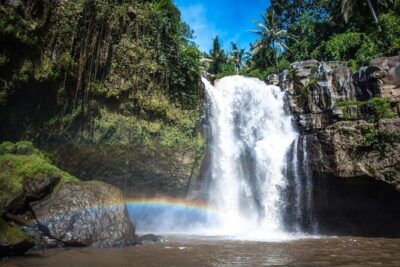
Best of Bali Waterfalls: Tibumana, Tukad Cepung and Tegenungan
Read our review →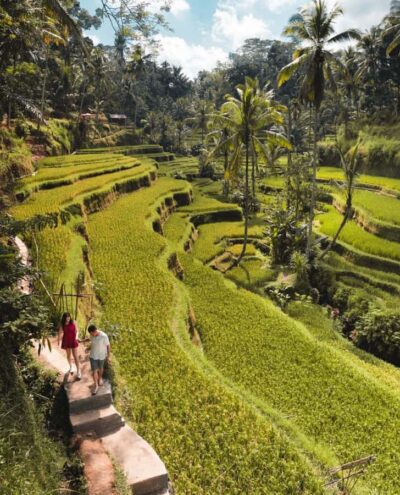
Ubud: Full-Day Rice Terrace, Monkey Forest & Waterfall
Read our review →
Ubud: Private Scenic Waterfalls and Rice Terraces Tour
Read our review →
Blue Lagoon Snorkeling – Lunch – Kantolampo – Tibumana Waterfall
Read our review →
Bali: Swing with Falls, Rice Terrace, & Monkey Forest Option
Read our review →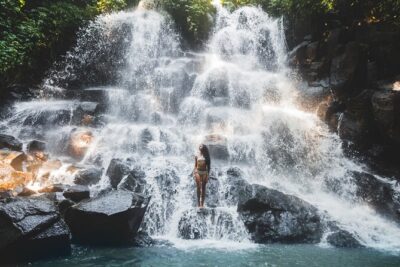
Ubud Top Attractions: Waterfalls, Temples and Rice Terraces
Read our review →
North Bali: Sekumpul Waterfalls and Ulun Danu Temple Tour
Read our review →Browse the lists this tour appears in