
REVIEW · KUANG SI FALLS TOURS
Luang Prabang Thin Pha Trail & Tad Sae Falls Trek
The best part of the Thin Pha Trail is the mix of mountain walking and village visits. You cross the Nam Khan by boat, follow paths through rice paddies and forest, stop in Khmu and Hmong communities, then finish with another boat ride and Tad Sae Falls when the water is flowing.
I like the way the day connects the countryside by foot and river, and I like that lunch, village fees, local permissions, and a guide are included. The main caution is the 12-kilometer route, with rocky slopes and elevations from 300 to 900 meters. This is not a gentle stroll, and Tad Sae can be very low or dry from February through July.
Key points to know before booking
- A real half-day hike: Expect roughly four to five hours on foot through forest, farmland, ridges, and rocky ground.
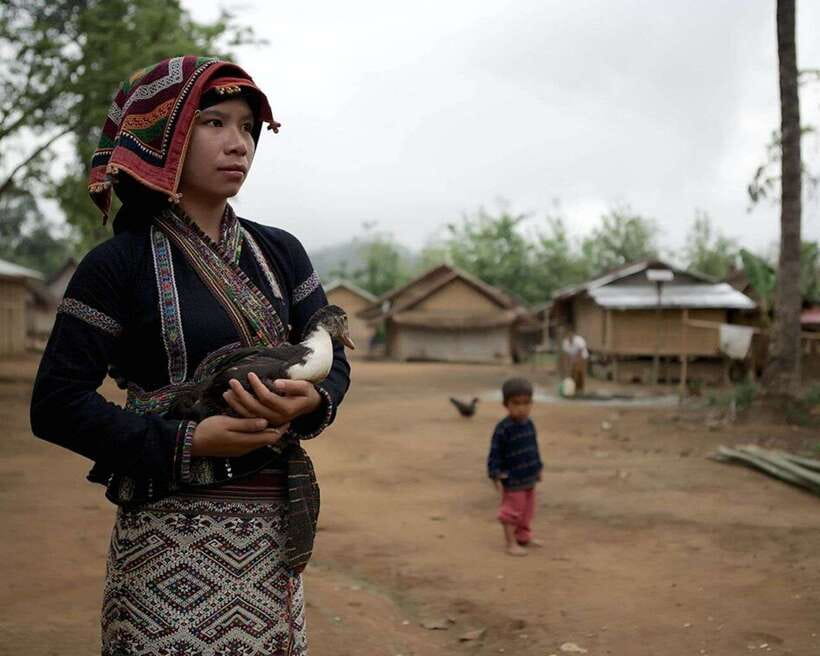
- Two village visits: Ban Houay Fai is a Khmu village, while Ban Thin Pha is a Hmong village that gives the trail its name.
- The river is part of the experience: Motorboat crossings and a scenic ride down the Nam Khan break up the hike.
- Tad Sae depends on the season: From February to July, the falls may be weak, dry, or removed from the route.
- Lunch is simple: It is a prepared picnic, sometimes served in or near a village, so mention dietary needs before setting out.
- Good value for an active day: At $95 per person, the cost covers transport, guide, lunch, water, entrance fees, local permissions, and community contributions.
From Luang Prabang to the Nam Khan River
The day begins with a morning departure from Luang Prabang. You can meet at the Tiger Trail office at 8:20 a.m. for an 8:45 departure, or arrange the optional free hotel pickup. If you choose pickup, wait in your hotel lobby 15 minutes before the scheduled time.
The drive takes about 25 minutes to reach the adventure camp area. From there, a motorboat carries you across the Nam Khan to the trailhead. This is more than a transfer. The river crossing gives you an early look at the countryside around Luang Prabang and sets the tone for a day that links water, farms, forest, and villages.
You should keep your day bag light. Large bags and luggage are not allowed, and you will be happier with only water, a towel if you plan to swim, sun protection, and a few personal items. The operator provides drinking water, but additional drinks are your responsibility.
The boat ride also matters if you are prone to seasickness. This is not a long open-water journey, but the tour specifically advises against it for people who get sick on boats. Sit where the motion feels easiest and tell the guide early if you need help.
More Kuang Si Falls Tours in the world:
- Luang Prabang: Cruise to Pak Ou Caves & Kuang Si Waterfalls
★ 5.0 · 1,769 reviews - Luang Prabang: Cruise to Pak Ou Caves & Kuang Si Waterfalls
★ 4.8 · 1,360 reviews - Luang Prabang: Afternoon Kuang Si Waterfalls & Sunset Cruise
★ 4.6 · 158 reviews
Rice paddies, forest paths, and the first Khmu village
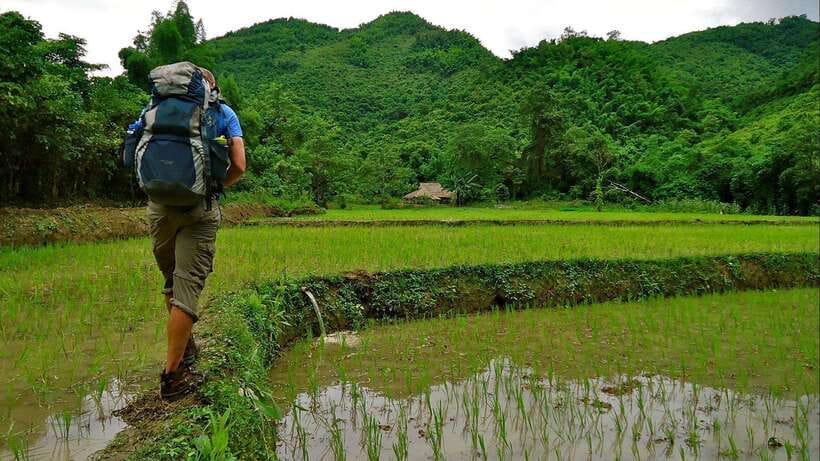
After crossing the river, you begin walking through rice paddies and into the middle canopy. The trail covers deciduous forest and farmland, not a manicured park path. You might walk on packed earth, rocky slopes, and uneven ground, with sections that feel properly rural and occasionally rough.
The first village stop is Ban Houay Fai, a Khmu community. Your English-speaking guide explains local customs and everyday life, giving context that you would miss if you simply passed through the countryside by road. This is one reason a guide adds real value here. The villages are not museum displays, and a good guide helps you ask questions with respect.
The strongest guide comments describe careful, kind service and clear explanations about local beliefs and ways of life. One private outing was led by a guide identified as Linh, though staff assignments can change. The guide’s role is especially useful on the trail, where the route can include fences, rocky ground, and narrow passages through the forest.
The village stop is not a long performance arranged for tourists. It is a chance to talk, observe, and learn. Keep your questions polite, ask before taking photographs, and remember that the community is contributing to your day by allowing visitors into its home.
Ban Thin Pha and the mountain section
The route continues along ridges and rocky slopes toward Ban Thin Pha, a Hmong village that lends its name to the trail. Along the way, you pass limestone grottos, valleys, fields, and changing vegetation. The appeal is not one famous viewpoint. It is the steady change in surroundings as you move through the hills under your own power.
The elevation range is listed as 300 to 900 meters, or about 984 to 2,953 feet. That does not mean every part is a steep climb, but you should expect rises, descents, and uneven footing. Comfortable walking shoes are important. Flip-flops would make the rocky sections harder and less safe.
The full trekking distance is about 12 kilometers, or 7.5 miles. The walking portion is generally described as four to five hours, although the day’s schedule also lists a five-and-a-half-hour walk from the Xiang-Ngeun area. For planning purposes, treat this as a serious active outing rather than a short nature walk.
The guide can point out plants, animals, and signs of life in the forest and valleys. You are encouraged to stop, listen, and ask questions. That pace is part of the experience. If you rush only to reach the waterfall, you miss the small details that make the route different from a standard attraction visit.
A village lunch with a few practical caveats
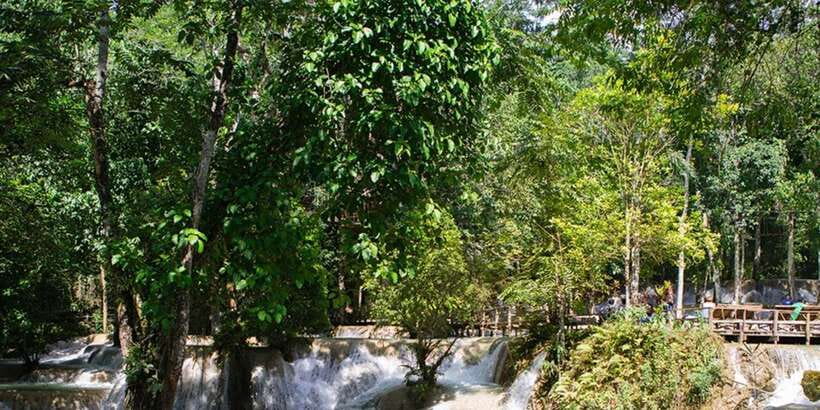
Lunch is included, but you should picture a simple prepared meal rather than a restaurant with a menu. The food may be served as a picnic, and one private group ate lunch from banana leaves with an elderly woman in a village. That sort of setting can be memorable because it keeps the day connected to local life rather than putting you in a tourist dining room.
There is one important food warning. Dietary preferences may not be requested automatically. A vegetarian group found the prepared lunch difficult, so tell the provider in advance if you do not eat meat or have allergies. Do not assume that a special meal will appear on the day.
The lunch stop can also feel slow if you prefer constant activity. One account found the village break dull, while other descriptions valued the food setting and the chance to learn about local customs. Your enjoyment will depend partly on how much you like unhurried village time.
This is a good moment to refill water, check your shoes, and decide how much energy you have left. The route continues after lunch, and the waterfall is not an excuse to underestimate the walk.
More Waterfall Hikes in the world:
- From Marrakech: Ouzoud Waterfalls Guided Hike and Boat Trip
★ 4.7 · 33,630 reviews - Marrakech: Ourika Valley Trip with Waterfall Hike
★ 4.6 · 6,792 reviews - Marrakech: Ourika Valley Trip with Waterfall Hike & Lunch
★ 4.9 · 5,303 reviews - Marrakech: ourika valley lunch & guided hike to waterfalls
★ 4.9 · 3,737 reviews
Finishing at Ban Houay Yen
After Ban Thin Pha, you continue through paddies and countryside toward Ban Houay Yen, a riverside village. The route gives you another chance to see how homes, farms, forest, and river travel fit together in rural Laos.
This final section can feel adventurous. The route is not always smooth, and you may need to move around fences or work through thick forest. One outing included climbing under fences and pushing through woodland, while the guide stayed attentive and helpful. Conditions will vary, but you should be ready for a path that is practical and local rather than polished.
Ban Houay Yen is where the boat waits. Reaching the river marks a satisfying change of pace after several hours on foot. You can rest your legs, take in the riverbanks, and let the motorboat carry you toward Tad Sae.
Tad Sae Falls and the return by river
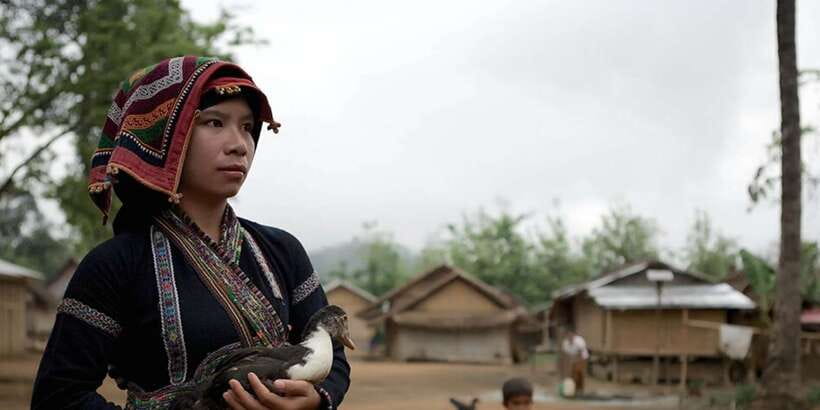
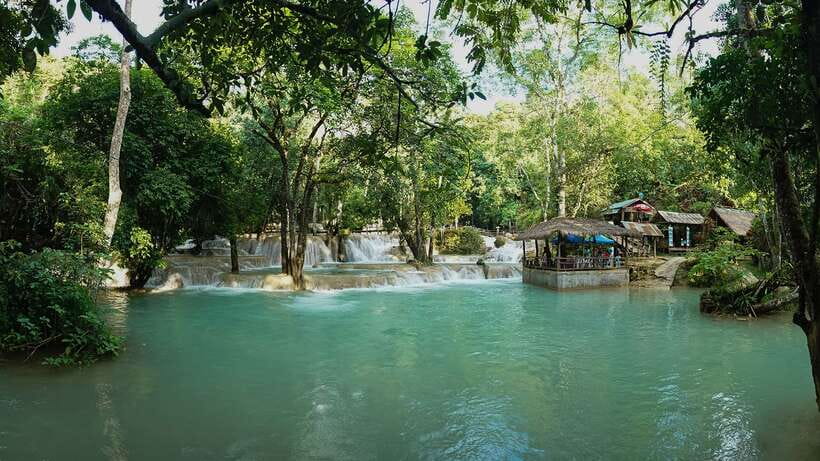
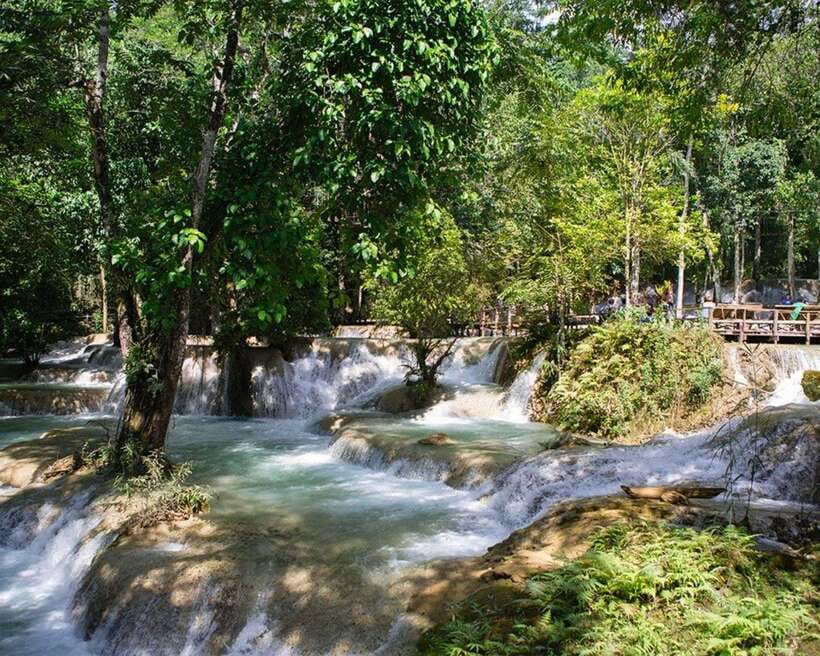
The boat ride down the Nam Khan is one of the prettiest parts of the day. After walking through hills and farmland, the river offers a slower view of the countryside. The route then stops at Tad Sae Falls, where you can relax, explore, and swim if conditions permit.
Timing matters here. From February through July, the falls can be very low or completely dry, and the stop may be omitted. If seeing flowing water is your main reason for booking, check the season before paying. Even in the wetter period, conditions and access can change, so treat swimming as a possibility rather than a guarantee.
Tad Sae is attractive, but it is not always quiet. One account found construction work and a large number of Chinese visitors had affected the setting. That is useful to know if you imagine a completely secluded forest pool. The waterfall can still be a pleasant finish, but the atmosphere may be busier and less natural than the remote trail sections.
Bring a towel in your day bag if you want to enter the water. Towels are not provided. Pack it in a waterproof bag along with your phone and spare clothing, since a wet bathing suit can make the drive back uncomfortable.
After the waterfall, you return by boat and vehicle. The vehicle ride takes about an hour in the listed schedule, followed by drop-off in Luang Prabang or at Tiger Trail Travel.
What the $95 price actually covers
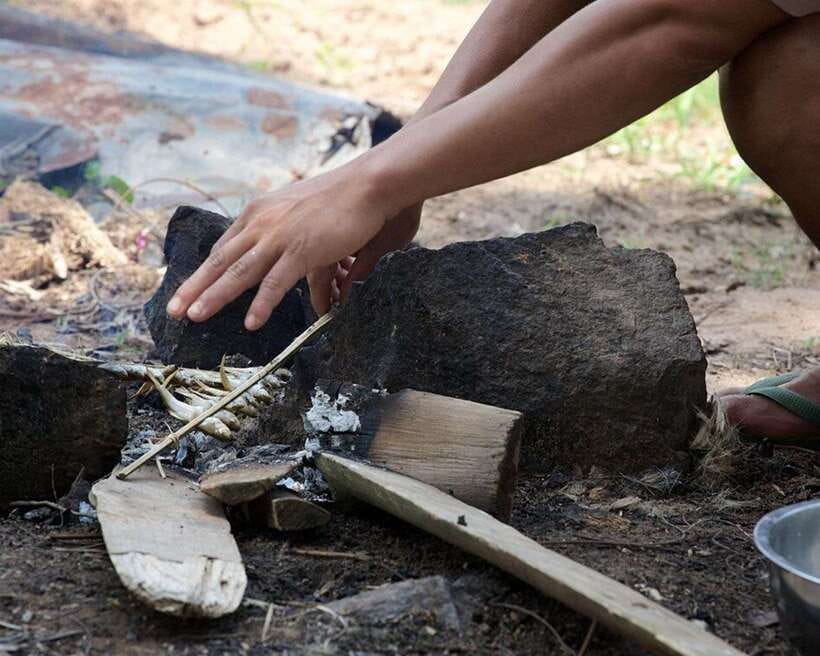
At $95 per person, this is not the cheapest way to see the countryside around Luang Prabang. The price makes more sense when you count the moving parts: an English-speaking guide, hotel transfer if selected, motorboat travel, drinking water, lunch, entrance fees, local permissions, and a village fund fee.
The community contribution is worth noting. Part of your payment supports the villages visited on the route. That does not turn the outing into a charity project, but it gives the local stops a practical benefit and makes the fee more than a simple charge for transport and a walk.
The value is strongest for you if you want one full day that combines hiking, cultural contact, river scenery, and a possible swim. It is weaker if you mainly want a waterfall, a short walk, or a guaranteed carefully arranged lunch.
You can select a public small group or a private group. A private option gives you more control over pace and questions, but the price may feel harder to justify if you are traveling alone. The guide quality is central to the experience, especially during village visits, so a private format can be worthwhile for families or couples who want time to talk.
Who should book this trail
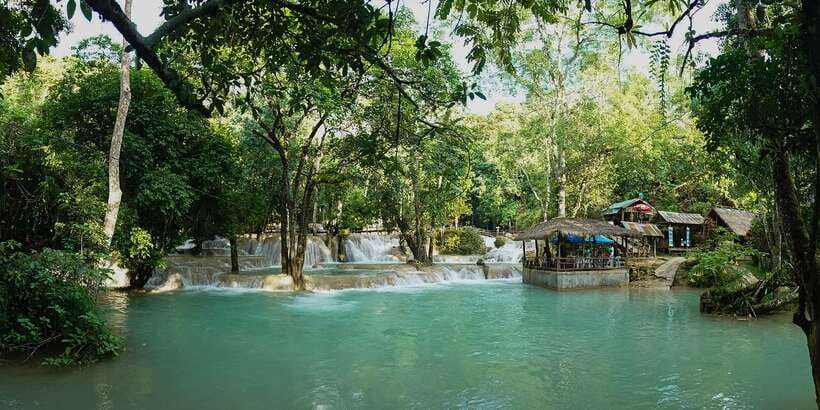
I would choose this outing if you enjoy walking for several hours and prefer seeing rural life as part of the route. It suits people who want more than Luang Prabang’s temples and old streets, but who do not need a technical mountain trek.
You should be comfortable with:
- Four to five hours of walking
- About 12 kilometers of uneven trail
- Hills reaching roughly 900 meters
- Rain or shine conditions
- A simple picnic lunch
- Motorboat travel
- A waterfall that may be dry
- Village visits that require patience and respect
This is not suitable for people with severe mobility impairments. It is also a poor match if you are prone to seasickness or want a fully predictable day on smooth paths.
Rain will not automatically cancel the outing. Bring sensible clothing and footwear, and expect the trail to feel more difficult in wet conditions. The tour takes place rain or shine.
How to get the most from the day
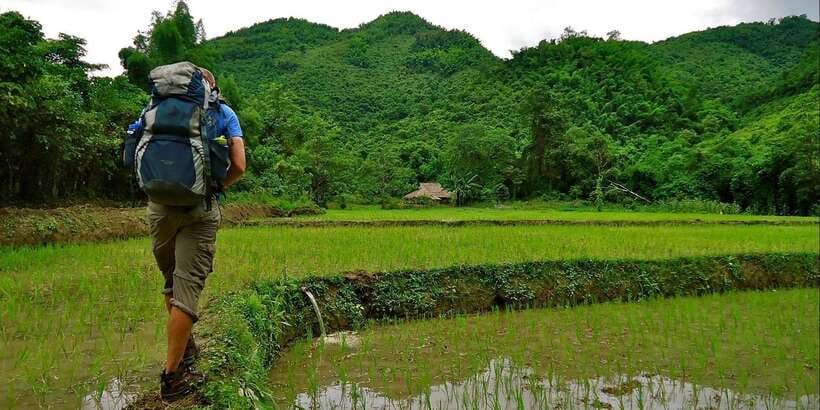
Wear comfortable shoes with a firm grip. Bring a small day bag, a towel, sun protection, and any extra drink you want beyond the supplied water. Do not bring luggage or a large bag.
Tell the provider about vegetarian meals and other dietary needs before departure. The prepared lunch may not be adjusted automatically, and the rural setting gives you few backup choices.
Keep your questions ready for the village stops. Ask about farming, customs, beliefs, and daily routines rather than treating the villages as quick photo stops. Your guide can help you understand what you are seeing, but your own respectful curiosity will make the conversations better.
If you are choosing dates mainly for Tad Sae, avoid relying on the February to July period. The falls can be weak or dry then. The hike and river ride still operate as the main parts of the day, but the waterfall may not.
The overall rating is 4.6 out of 5 from 17 recorded ratings, with especially strong praise for the guides, the mix of boating and hiking, village visits, and the amount of cultural explanation. The lower marks point to real issues: a missing lunch, uncertainty about reaching the named communities, a high price, and a waterfall area affected by construction and crowds. I would treat those points as planning warnings, not reasons to dismiss the whole route.
Should you book the Thin Pha Trail?
Book it if you want an active countryside day with a genuine village component and you value a guide who can explain local life. The combination of Khmu and Hmong communities, limestone hills, the Nam Khan, and Tad Sae gives you more variety than a simple waterfall excursion.
Think twice if you have limited mobility, dislike rough paths, need a special diet without advance notice, or are visiting during the dry season mainly for the falls. For the best fit, choose the private option if you want a flexible pace, confirm the pickup details, state your food needs, and ask about current waterfall conditions before departure.
FAQ
How long is the Thin Pha Trail and Tad Sae Falls tour?
The complete experience lasts about eight hours. The walking portion covers about 12 kilometers, or 7.5 miles, and takes roughly four to five hours.
Where does the tour begin?
You can meet at the Tiger Trail office at 8:20 a.m. for an 8:45 departure. Free hotel pickup in Luang Prabang is also available if you select that option.
Which villages does the route visit?
The route includes Ban Houay Fai, a Khmu village, and Ban Thin Pha, a Hmong village. The walk ends near Ban Houay Yen, a riverside village where the boat waits.
Is Tad Sae Waterfall open all year?
The waterfall visit depends on water levels. From February through July, Tad Sae may be very low or dry, and the stop may be omitted.
Is lunch included?
Yes. Lunch, drinking water, entrance fees, local permissions, and the village fund fee are included. Additional drinks are not included.
Can I swim at Tad Sae Falls?
You can swim when conditions permit. Bring your own towel if you plan to enter the water, since towels are not provided.
Is the tour suitable for people with mobility impairments?
The tour is not recommended for people with severe mobility impairments. It includes about 12 kilometers of walking over forest, farmland, ridges, rocky slopes, and elevations from 300 to 900 meters.
Just added around the world
- PRIVATE TOUR to Kravice Waterfalls, Mostar and Počitelj old town★ 4.5 · 10 reviews
- PRIVATE TOUR to Medugorje, Kravice waterfalls and Mostar★ 5.0 · 37 reviews
- Mostar and Kravice waterfalls full day tour★ 4.5 · 64 reviews
- 27 Waterfalls Damajagua Amber Cove, Taino Bay – Puerto Plata★ 5.0 · 106 reviews
- From Dublin: Wicklow, Glendalough, Waterfall & Sheepdog demo★ 4.5 · 126 reviews
- Explore Mostar, Ston and Kravice Waterfalls ( Small Group )★ 4.5 · 166 reviews
- Taino Bay & amber cove 7 Damajagua Waterfall Lunch Excursion★ 5.0 · 231 reviews
- Adventure in the 7 Waterfalls + Typical Lunch and Transportation★ 5.0 · 15 reviews
Kuang Si Falls Tours, compared.
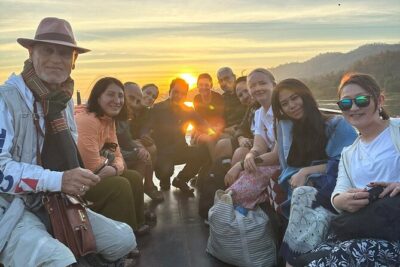
Luang Prabang: Cruise to Pak Ou Caves & Kuang Si Waterfalls
Read our review →Luang Prabang: Cruise to Pak Ou Caves & Kuang Si Waterfalls
Read our review →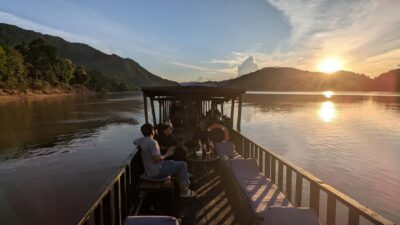
Luang Prabang: Afternoon Kuang Si Waterfalls & Sunset Cruise
Read our review →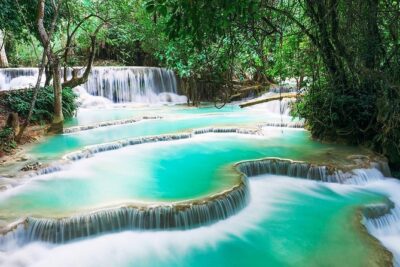
Luang Prabang: Bamboo Experience & Kuang Si Falls Tour
Read our review →
Luang Prabang: Full Day Trek to Kuang Si Waterfall & Village
Read our review →
Luang Prabang: Pak Ou Caves & Kuang Si Falls Day Trip
Read our review →Browse the lists this tour appears in