
REVIEW · WATERFALL WALKS
Karura Forest: Walking tour with Nature and Waterfalls.
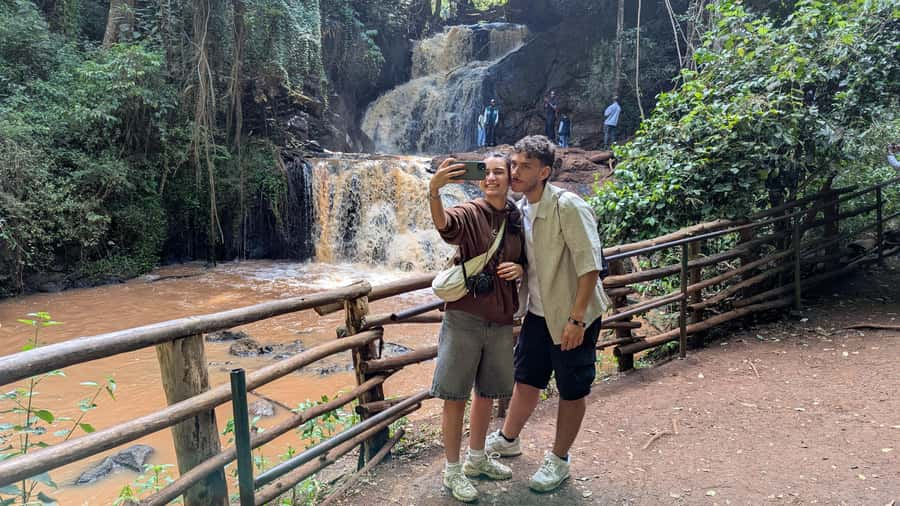
Karura Forest gives you a quiet, leafy side of Nairobi without requiring a full-day trip from the city. With Allan, you walk past historic caves, two waterfalls, Lily Lake, and monkey territory, while hearing about Kenyan culture and picking up a few Swahili words along the way. It is a useful break from traffic and buildings, with enough movement to feel like an outing rather than a simple stroll.
I like the mix of nature and local context. The caves add a human story to the walk, while the waterfalls and bird areas give you good photo stops. I also like that Allan speaks English and Swahili, and several guests describe him as a careful, friendly guide who explains the forest clearly.
The main drawback is the walking. You may cover roughly 6 or 7 kilometres, with some uphill and downhill sections, so this is not a gentle sightseeing ride. The $40 tour price does not include the $4 forest entry fee, and you must pay that extra charge by card or M-PESA, not cash.
Key points to know before you go
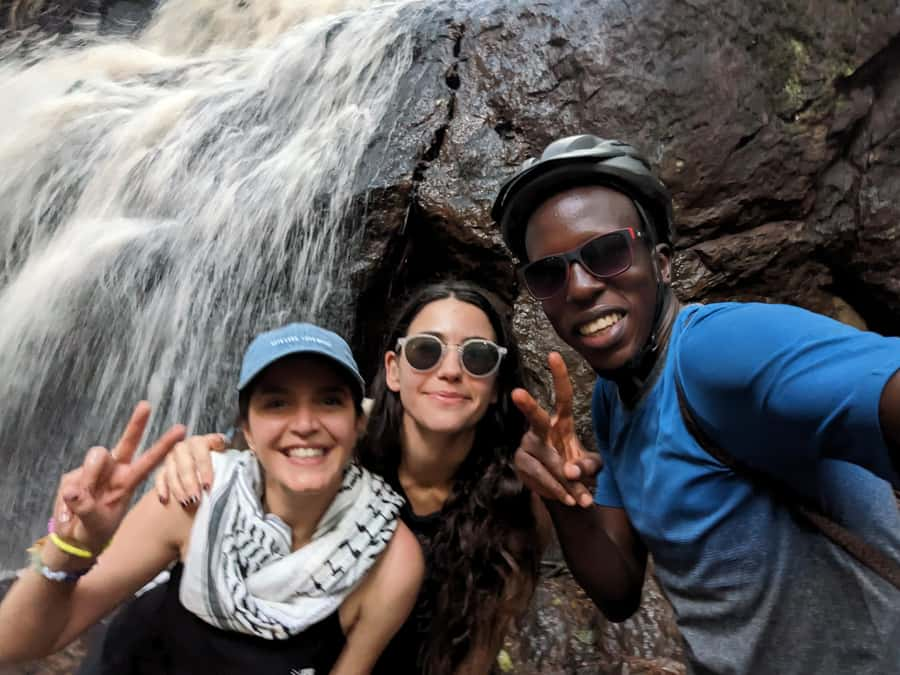
- Two waterfalls in one forest walk: You get several strong photo stops, especially after rain when waterways and rapids may be flowing.
- Caves with a Kenyan story: The cave visit adds historical meaning rather than leaving the walk as a simple nature outing.
- Lily Lake and bird territory: Bring your camera and slow down around the water, where different bird species can be seen.
- Allan leads in English and Swahili: His approach includes wildlife behavior, Kenyan history, culture, and a few everyday Swahili words.
- Plan for a 6 to 7 kilometre walk: Comfortable shoes matter more than smart clothes.
- The River Café is part of the route: You get about 20 minutes to rest, enjoy the setting, and buy food or drinks separately.
Why Karura works so well for a Nairobi half-day
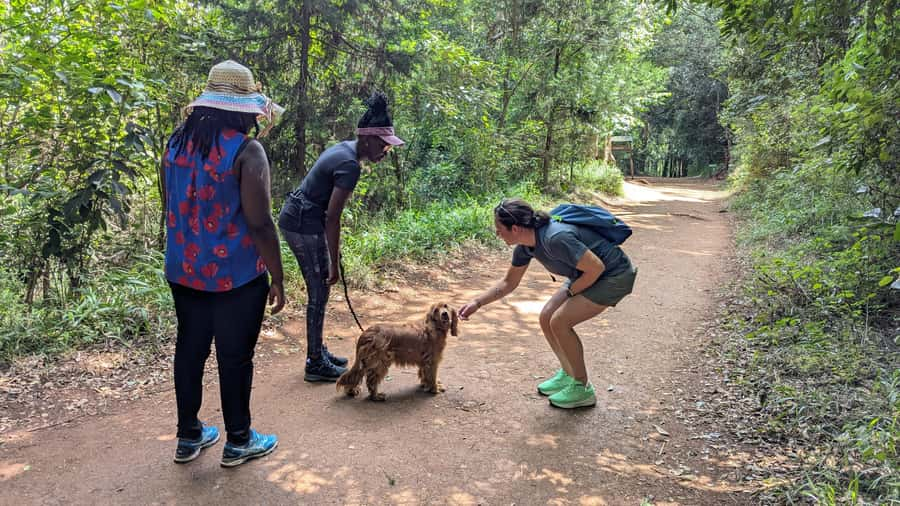
Karura Forest is a practical choice when you want nature without leaving Nairobi. The route brings together woodland paths, waterways, caves, waterfalls, bird areas, picnic zones, and open spaces where monkeys are seen. You are not simply walking through trees. The guide gives the forest a shape and purpose.
That matters in a place this large. Without local direction, you could easily spend your time following paths without understanding what makes one area important. Allan explains monkey behavior, points out parts of the forest with historical interest, and helps you notice details that can be easy to miss on your own.
The pace is active but not described as extreme. The walk includes scenic views and regular stops for photos and explanations. Still, you should think of it as a proper walking tour. If your knees, hips, or feet are giving you trouble, the route may feel demanding.
Pregnant people are specifically advised not to take this activity. For everyone else, the sensible preparation is simple: wear walking shoes, choose comfortable clothes, and carry water in a reusable personal bottle.
More Waterfall Walks in the world:
- From Sydney: Blue Mountains Tour with Waterfall Walk & Lunch
★ 4.8 · 2,400 reviews - Krka Waterfalls tour with Trogir Walking tour and Krka panoramic boat cruise
★ 5.0 · 1,659 reviews - From Split: Krka Waterfalls Cruise & Trogir Walking Tour
★ 4.7 · 681 reviews
Meeting Allan at Gate C on Kiambu Road
The meeting point is Karura Forest Gate C, on Kiambu Road opposite Sharks Palace. This detail matters because the forest has several access points, and turning up at the wrong gate can waste the short time you have before the walk begins.
You can reach the forest by taxi or ride-hailing car. One person found it easy to access by Uber, which is useful if you are staying elsewhere in Nairobi and do not have a private vehicle. If you need help finding the gate, contact Allan on WhatsApp at 254723477823.
The tour begins with a five-minute safety briefing. Use that moment to ask about the route, the expected walking pace, and the best places to take photographs. Allan can guide you in English or Swahili, so you can choose the language that makes explanations easiest to follow.
The exact group size is not provided, so ask before booking if a private or small-group setting matters to you. The tour is led by Allan, whose style comes across as calm, conversational, and attentive. That is useful in a forest, where the quality of the guide affects how much you notice.
Woodland paths, monkeys, and the first 90 minutes
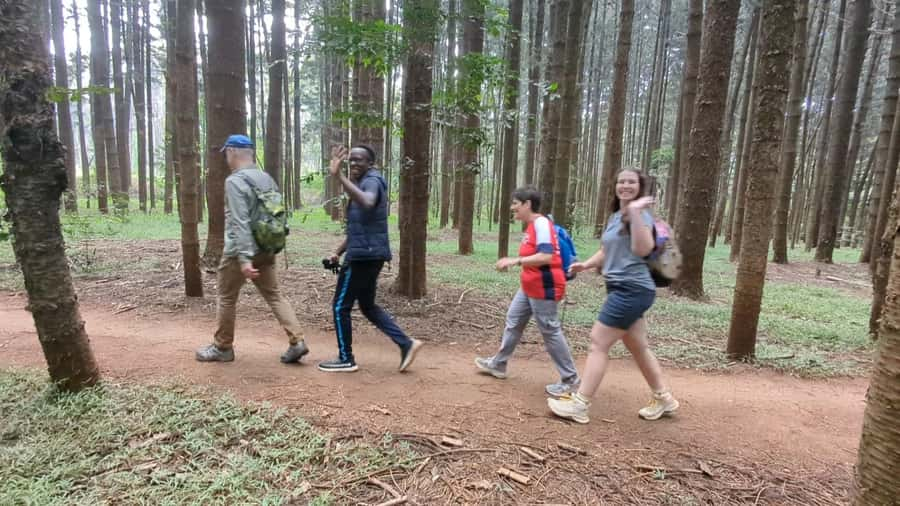
The first main section lasts about 90 minutes. You walk through woodland and nature trails, stopping for scenic views, photographs, wildlife observations, and local stories.
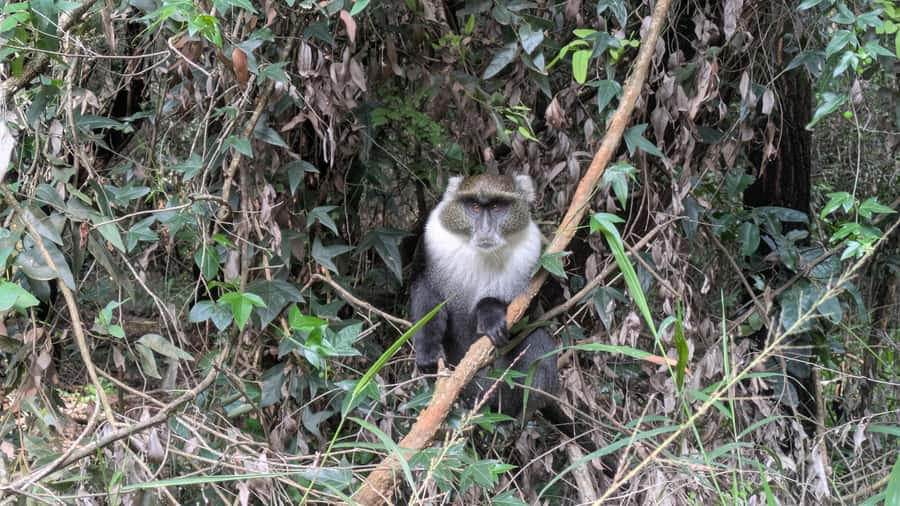
The monkey encounters are not a staged animal show. You may see monkeys in their usual territory, and Allan explains their behavior. That is a much better approach than trying to get close or attract them. Do not feed the animals, even if one approaches the path. Feeding changes animal behavior and is not allowed in the forest.
The forest is also a good place to practice slowing down. You may hear water before seeing it, notice different soil colors, or spot birds in areas that look ordinary at first glance. One guest particularly enjoyed seeing the different color of the soil and the movement of water through the forest. These are small details, but they give the walk a stronger sense of place.
Rain changes the feel of the route. During rainy periods, waterways and rapids may be more active, and the waterfalls can make better photographs. The tradeoff is mud and wetter paths, so shoes with a solid grip are a wise choice. No special hiking equipment is listed, but ordinary walking shoes are not optional here.
Allan also adds basic Swahili words during the outing. This is a modest feature, but it gives you a useful connection to Kenya beyond taking photographs. Expect practical language learning rather than a formal language class.
The caves and the human story behind the forest
The caves are one of the most distinctive stops. They offer more than a cool, dark space for pictures. Allan explains their connection to Kenyan history and the people associated with them, giving you a reason to remember the place after the walk ends.
Cave visits can be brief, so do not expect a long archaeological tour. Their value comes from the way they break up the nature walk and show that Karura is not only about plants and animals. The forest also carries stories of people, events, and changing use over time.
Wear clothing you can move in. The information provided does not describe the cave floor or exact access conditions, so listen to Allan’s directions and avoid rushing for a photograph. The best approach is to treat the caves as a historical stop within a larger walk, not as a separate underground attraction.
This is also where a local guide earns the fee. A sign can tell you that a cave is old or important. Allan can explain why it matters in Kenyan culture and history, then connect that story to the path you are walking.
A few more waterfall trips around the world worth a look
- From Marrakech: Ouzoud Waterfalls Guided Hike and Boat Trip
★ 4.7 · 33,630 reviews - Marrakech: Atlas Mountains, Ourika Valley, Waterfall & Lunch
★ 4.8 · 15,834 reviews - Reykjavík: South Coast Waterfalls, Black Sand & Glacier Tour
★ 4.8 · 11,030 reviews - From Marrakech: Ouzoud Waterfalls Guided Trip with Boat Ride
★ 4.9 · 10,915 reviews
Two waterfalls and the best photo opportunities
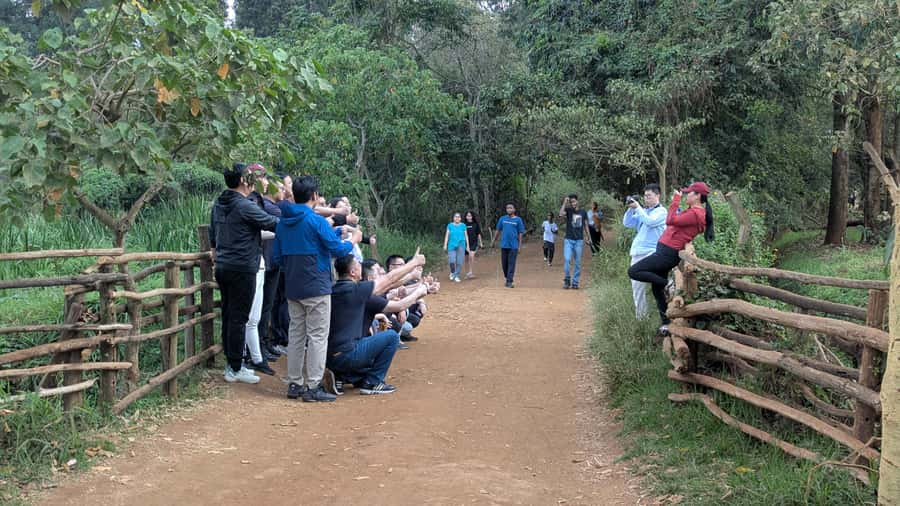
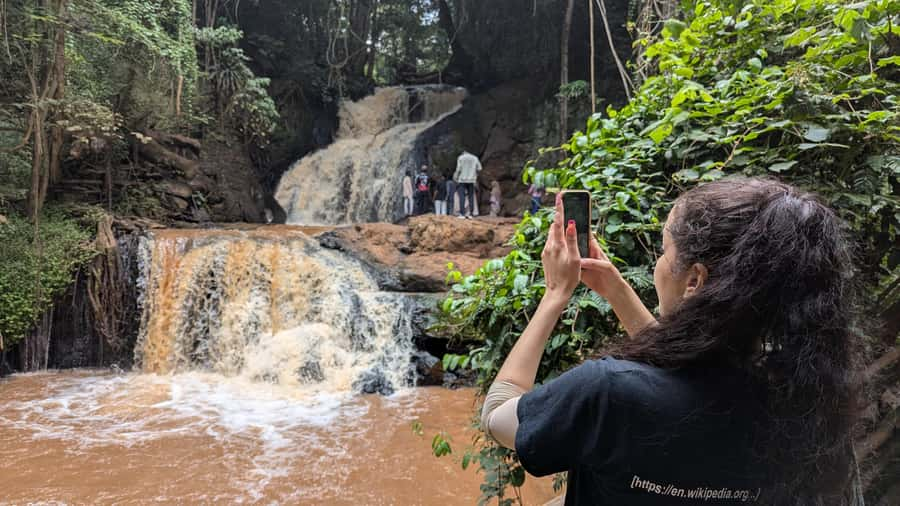
The route includes two waterfalls. They are natural pause points, and you will have time to take photographs while Allan explains the surrounding area.
Do not expect two giant falls on the scale of a national park attraction. The appeal is the contrast: after a stretch of trees and trails, falling water gives the walk a clear visual change. If you visit during or after rain, the waterways may have more movement, though wet weather can also make walking less comfortable.
The waterfalls are a good reason to bring a phone or camera, but keep your attention on your footing. A photograph is not worth slipping on a wet path. Carry your equipment in something that can handle a little moisture, especially in the rainy season.
You also get scenic views along the way rather than waiting for one final viewpoint. That makes the walk feel varied. One moment you are among trees, then beside water, then looking across a more open section of the forest.
Lily Lake, birds, and a quieter stretch
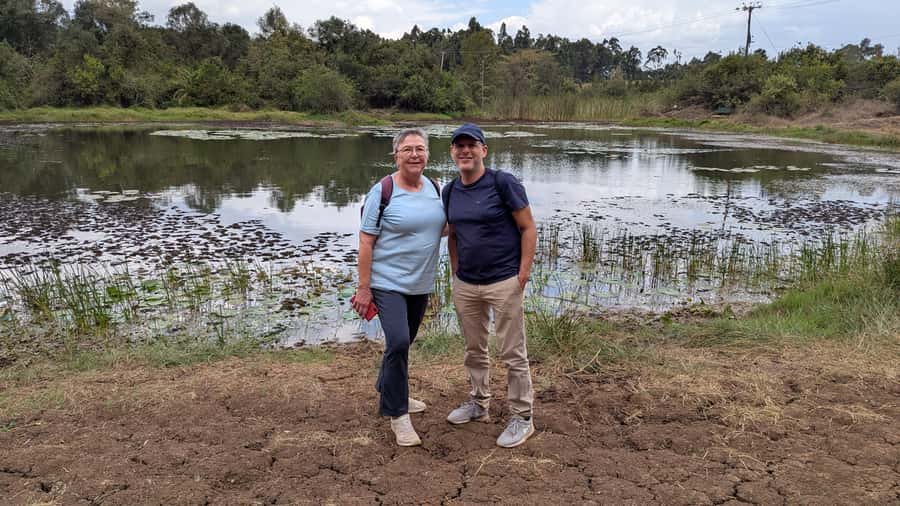
Lily Lake provides another change of pace. The tour includes time around the lake and nearby bird territories, where you may see different bird species.
The name is sometimes written as Lily Lake in the tour details. Do not expect a birding expedition with a long species checklist, since the activity is built around walking, history, monkeys, and waterfalls. Still, the lake gives you a calmer place to pause and look closely.
Bring binoculars only if you already have a compact pair. They are not listed as required, and you will be carrying your own equipment for several kilometres. A phone camera is enough for many visitors, especially because the tour is designed for general sightseeing rather than specialist bird photography.
I like this part of the route because it rewards patience. The waterfalls provide obvious photo subjects. A lake and bird area ask you to watch for movement and listen. If you rush, you may miss the point.
The River Café and a 20-minute break
About 20 minutes of the tour is set aside at The River Café. This is a useful rest stop in the middle of an active morning or afternoon, and the café is known for its food and pleasant setting.
Food and drinks are not included in the $40 price, so plan to pay separately if you want something there. The break also gives you a chance to refill your personal water bottle, check your photographs, and give your feet a rest before the final section.
The café is one of the reasons this tour works for people who want some comfort without giving up the forest setting. You get a real pause, but you are not leaving the area for a long restaurant stop. Keep the timing in mind, though. Twenty minutes is enough for a break, not an extended meal.
Plastic bottles are not allowed inside the forest. Carry a reusable bottle from the start. This rule is easy to follow and avoids a problem at the gate.
The final 70 minutes and return to Gate C
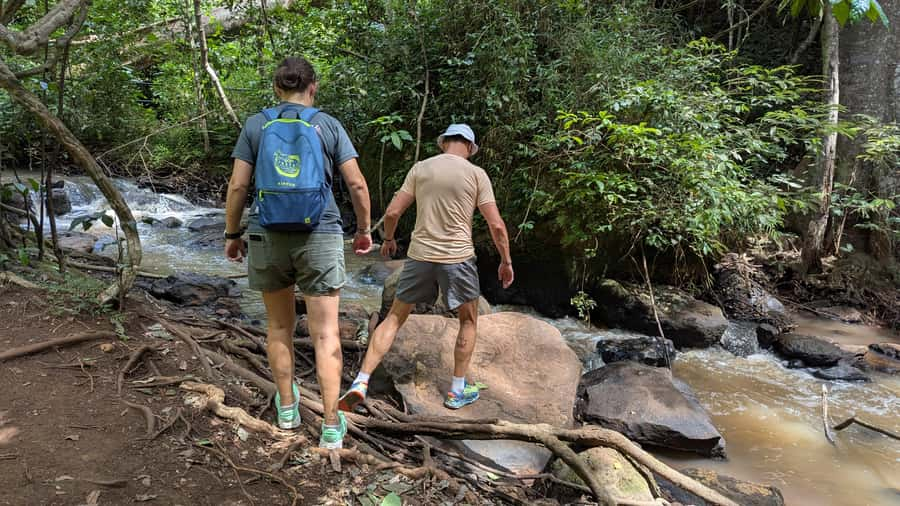
After the café, you spend about 70 minutes walking through more of Karura Forest. This section includes further woodland trails, scenic views, photographs, and guided stops before returning to the starting gate.
The second half is important because the tour is not simply a short walk to one waterfall and back. You continue through different parts of the forest, including waterways, picnic zones, monkey areas, and other natural features. The route can feel longer than the timetable suggests because the overall distance may reach 6 or 7 kilometres.
Expect some up and down, though the available information describes the changes as manageable rather than severe. Comfortable footwear will make the difference. Sandals, smooth-soled trainers, or stiff fashion shoes are poor choices for this outing.
Cycling is another possible way to enjoy the forest. Rental bicycles are available at the gate for Ksh 500. The guided experience described here is a walking tour, so confirm with Allan if you want to combine cycling with the outing rather than assuming a bicycle is included.
Is $40 a fair price?
The $40 fee pays for Allan’s local guiding, not for entry, food, bicycle rental, or transport to the gate. You must add the $4 forest entry fee, payable by card or M-PESA only. That makes the core cost clear, but you should budget for the separate entrance charge and any café purchase.
I see the value in the guide rather than in the basic act of entering the forest. You can enter on your own, but you may not learn as much about the caves, Kenyan history, monkeys, or local language. Allan also handles the route, which is useful in a large forest with many trails.
The price makes the most sense if you want interpretation and company. Solo visitors can benefit from having a guide for both safety and conversation. If you mainly want a quiet personal walk and already know the forest, independent entry may suit you better.
The tour has a three-hour duration, which fits neatly into a Nairobi sightseeing day. You get exercise and nature without committing an entire day to travel outside the city.
What to bring and what to leave behind
Pack lightly, but bring the things that make the walk easier:
- Comfortable walking shoes with good grip
- Comfortable clothes suited to active walking
- A reusable personal water bottle
- A phone or camera for the caves, waterfalls, lake, and woodland views
- A small amount of money for The River Café, if you plan to eat or drink there
Smoking, drones, alcohol, and drugs are not allowed. Do not bring plastic bottles, and do not feed the monkeys or other animals.
The forest rules are not minor technicalities. They protect the animals and keep the paths cleaner. A reusable bottle is the simple solution, and leaving the drone at your accommodation avoids an item that is specifically prohibited.
Who should book this walk?
I would choose this tour if you want a half-day nature outing in Nairobi with a local guide who adds history and wildlife context. It suits solo visitors, couples, and anyone who prefers learning while walking instead of simply following a marked path.
It is especially useful for a first visit to Karura Forest. Allan’s explanations help you notice the caves, water, birds, and monkeys as connected parts of one place. The English and Swahili option also makes the tour accessible to a broad range of visitors.
I would think twice if you dislike walking several kilometres, need a fully flat route, or want a highly specialized bird-watching trip. I would also confirm the meeting point and payment method before setting out, since Gate C and card or M-PESA entry payment are important practical details.
FAQ
How long does the Karura Forest walking tour last?
The activity lasts three hours. It includes a five-minute safety briefing, about 90 minutes of guided walking, a 20-minute break at The River Café, and about 70 minutes of further walking.
How much does the tour cost?
The guided tour costs $40 per person. Forest entry is extra and costs $4.
How do I pay the forest entry fee?
You must pay the $4 entry fee by card or M-PESA. Cash is not accepted for the forest entry.
Where is the meeting point?
Meet Allan at Karura Forest Gate C, on Kiambu Road opposite Sharks Palace.
What languages does Allan speak?
The tour is available in English and Swahili.
How much walking is involved?
The walk may cover roughly 6 or 7 kilometres and includes some uphill and downhill sections. Comfortable shoes are very important.
Can I bring bottled water?
Plastic bottles are not allowed in the forest. You can bring water in your own reusable personal bottle.
Are bicycles available at Karura Forest?
Yes. Rental bicycles are available at the gate for Ksh 500. Bicycle rental is not included in the guided tour price.
Should you book this Karura Forest tour?
Book it if you want more than a walk among trees. The combination of caves, two waterfalls, Lily Lake, bird areas, monkey behavior, Kenyan history, and Swahili phrases gives the three hours real variety.
The decision comes down to your energy and expectations. You need to be ready for a proper walk, pay the separate entry fee, and follow the forest rules. If that sounds fine, Allan’s guided route offers a practical and engaging way to see Karura Forest while still leaving room for photographs, a café break, and a little fresh air away from Nairobi’s traffic.
Just added around the world
- PRIVATE TOUR to Medugorje, Kravice waterfalls and Mostar★ 5.0 · 37 reviews
- Mostar and Kravice waterfalls full day tour★ 4.5 · 64 reviews
- PRIVATE TOUR to Kravice Waterfalls, Mostar and Počitelj old town★ 4.5 · 10 reviews
- 27 Waterfalls Damajagua Amber Cove, Taino Bay – Puerto Plata★ 5.0 · 106 reviews
- From Dublin: Wicklow, Glendalough, Waterfall & Sheepdog demo★ 4.5 · 126 reviews
- Explore Mostar, Ston and Kravice Waterfalls ( Small Group )★ 4.5 · 166 reviews
- Taino Bay & amber cove 7 Damajagua Waterfall Lunch Excursion★ 5.0 · 231 reviews
- Adventure in the 7 Waterfalls + Typical Lunch and Transportation★ 5.0 · 15 reviews
Waterfall Walks, compared.
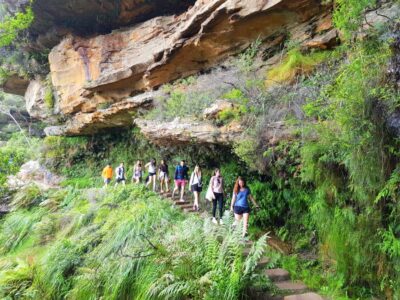
From Sydney: Blue Mountains Tour with Waterfall Walk & Lunch
Read our review →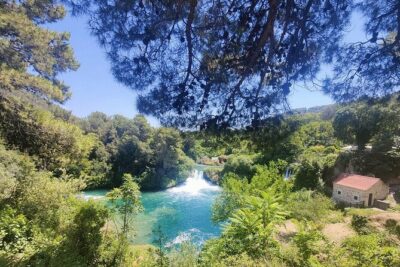
Krka Waterfalls tour with Trogir Walking tour and Krka panoramic boat cruise
Read our review →
Plitvice Lakes: Guided Walking Tour with Bus and Boat Ride
Read our review →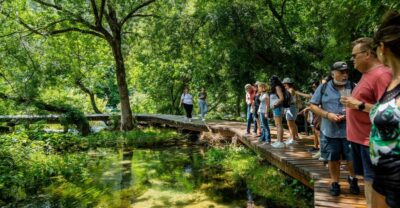
From Split: Krka Waterfalls Cruise & Trogir Walking Tour
Read our review →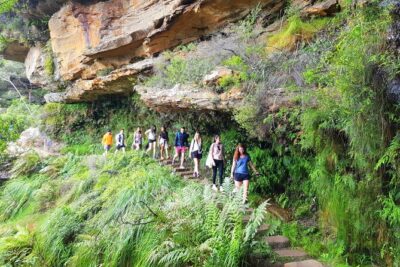
Blue Mountains Small Group Tour with Waterfall Walk & Fresh Lunch
Read our review →
Tetebatu Walking Tour – Rice Terraces, Waterfall & Monkey Forest
Read our review →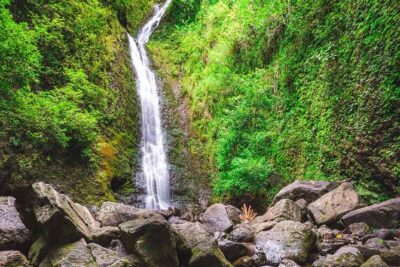
Self guided Hike Trail to Nature Walk & Waterfall
Read our review →
Sydney: Blue Mountains Late Start, Walks Waterfalls & Koalas
Read our review →Browse the lists this tour appears in